SADDLE MOUNTAIN NATIONAL WILDLIFE REFUGE
SADDLE MOUNTAIN NATIONAL WILDLIFE REFUGE3250 Port of Benton Blvd.
Richland, Washington 99352
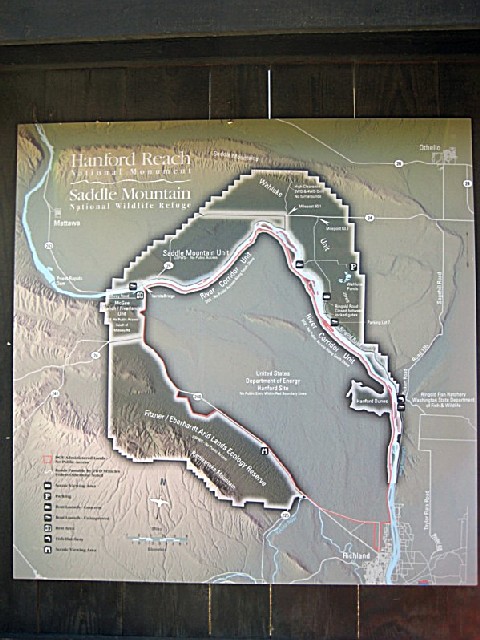
Saddle Mountain National Wildlife Refuge was established in 1953. The 195,000-acre Hanford Reach National Monument/Saddle Mountain National Wildlife Refuge was created when President Bill Clinton signed Proclamation 7319 on June 9, 2000. The Monument/Refuge is the first of its kind under U. S. Fish and Wildlife Service management within the lower 48 states and managed as a unit of the National Wildlife Refuge System.
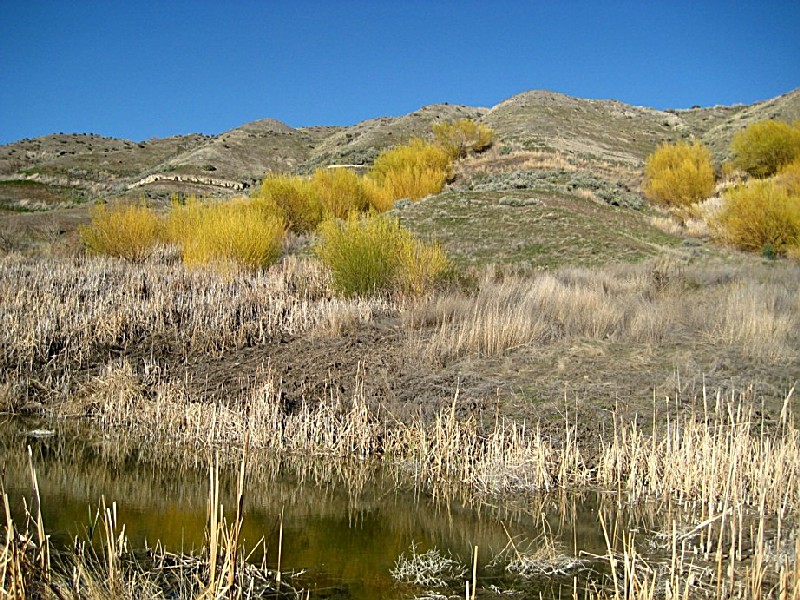
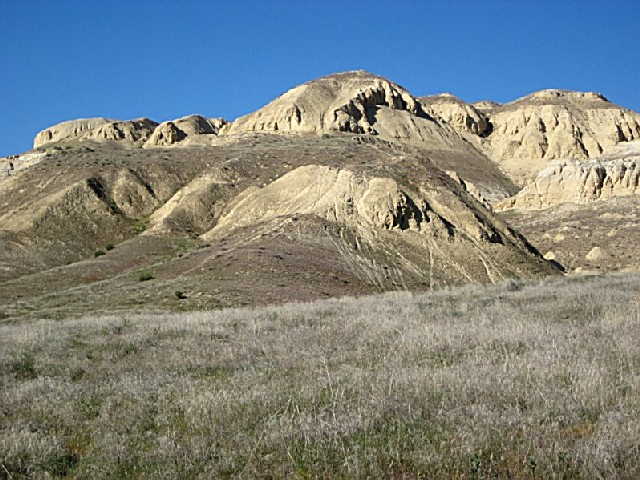
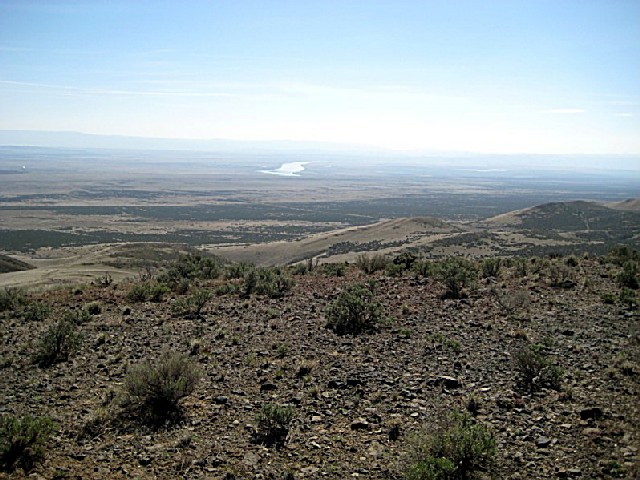
The Monument/Refuge is comprised of the Fitzner-Eberhardt Arid Lands Ecology Reserve and the Saddle Mountain and Wahluke Units. These units encompass important riparian, aquatic, riverine and upland shrub-steppe habitats that are declining throughout the American west.
Numerous wildlife species depend upon these intact ecosystems; 43 species of fish, including threatened and endangered salmon and trout; 40 mammals; 246 birds; 4 amphibians; 9 reptiles and over 1500 invertebrates.
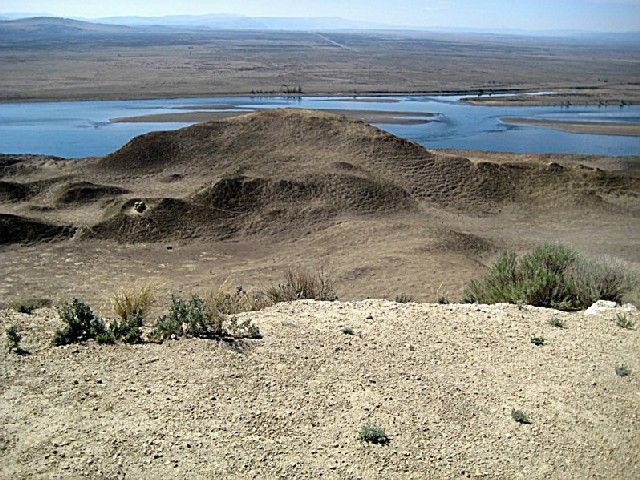
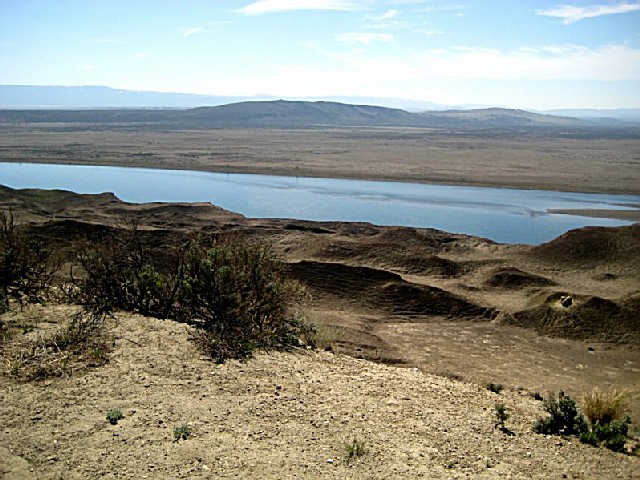
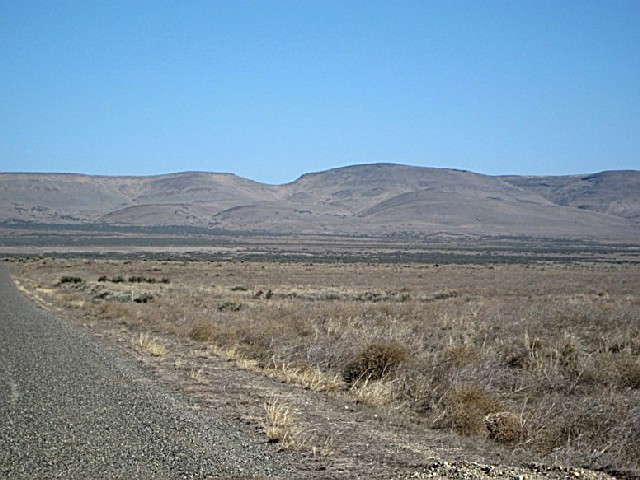
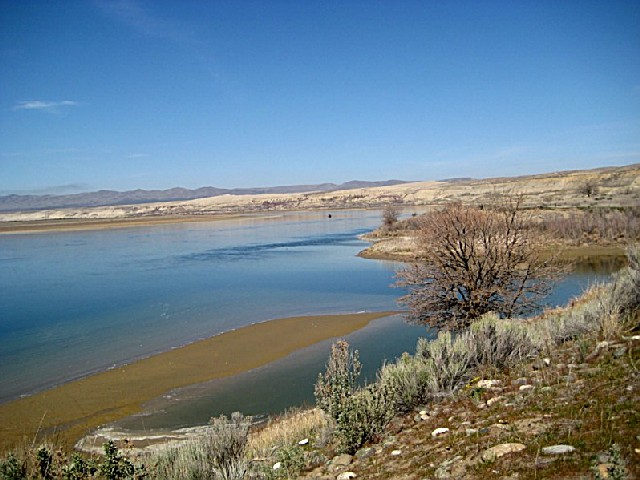
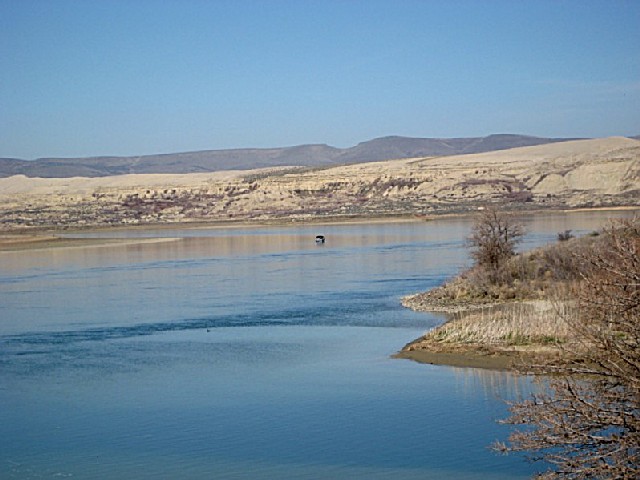
Hanford Reach National Monument/Saddle Mountain Refuge lies adjacent to approximately 18 miles of the last free-flowing stretch of the Columbia River east of Mattawa in eastern Washington's Grant County. This shrub-steppe region is characterized by low precipitation and seasonal temperature extremes.
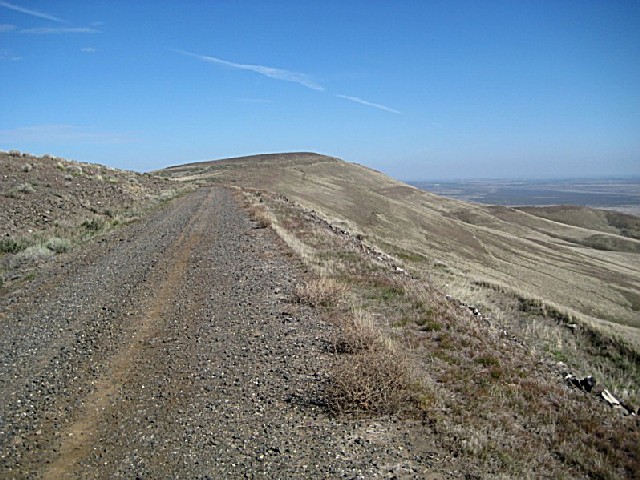
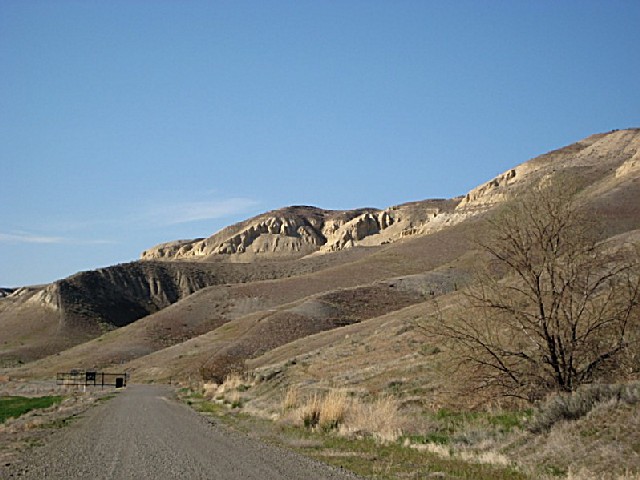
Dominant vegetation includes big sagebrush, Sandberg's bluegrass, cheatgrass, and gray rabbitbrush. One of only three cactus species native to the state, Opuntia polyacantha, is also present on the refuge. The refuge lies at an elevation below 900 feet and has very little vertical relief other than the noteworthy White Bluffs along the Columbia River. The refuge includes the Fitzner/Eberhardt Arid Lands Ecological Reserve and the former McNary Islands in the Columbia River.
Wildlife abounds in this harsh landscape�rare is a trip along the river that doesn't produce mule deer, coyotes, bald eagles, great blue herons, or white pelicans. A large elk herd hides in the canyons, and incredibly, porcupines are a common sight. Rare plants defy the drought, wind and heat. Beautiful spring wildflower displays delight the visitor who venture into the field.
For thousands of years people have depended on the Hanford Reach of the Columbia River, or "Chiawana" (Big River), to survive in the desert environs of the Columbia Basin. As early as 8,000 years ago, the ancestral inhabitants of today's Wanapum People, Yakama Nation, Confederated Tribes of the Colville, Confederated Tribes of the Umatilla Reservation and the Nez Perce fished, hunted and collected a variety of natural resources in the area. The abundant salmon were complimented by upland roots, seeds and game.
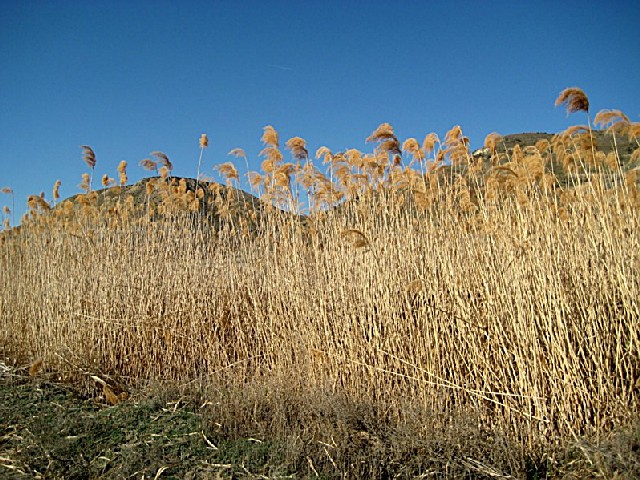
Seasonal gathering of resources such as spring roots or fall Chinook salmon required moving 'camps' often. Tule (bulrush) mats were draped over willow poles for temporary shelter. In winter, shallow oval pits were dug and poles covered with tule, willow or hides for more permanent 'housepit' villages along the Reach. Even today, Native Americans gather the tules for making house coverings, sleeping mats and other household uses.
Several thousand Native Americans still occupied the basin when Lewis and Clark passed just south of the Reach in 1805.







 Share Your Saddle Mountain National Wildlife Refuge Photos (click here)