LAGUNA ATASCOSA NATIONAL WILDLIFE REFUGE
LAGUNA ATASCOSA NATIONAL WILDLIFE REFUGEP.O. Box 450
Rio Hondo, Texas 78583
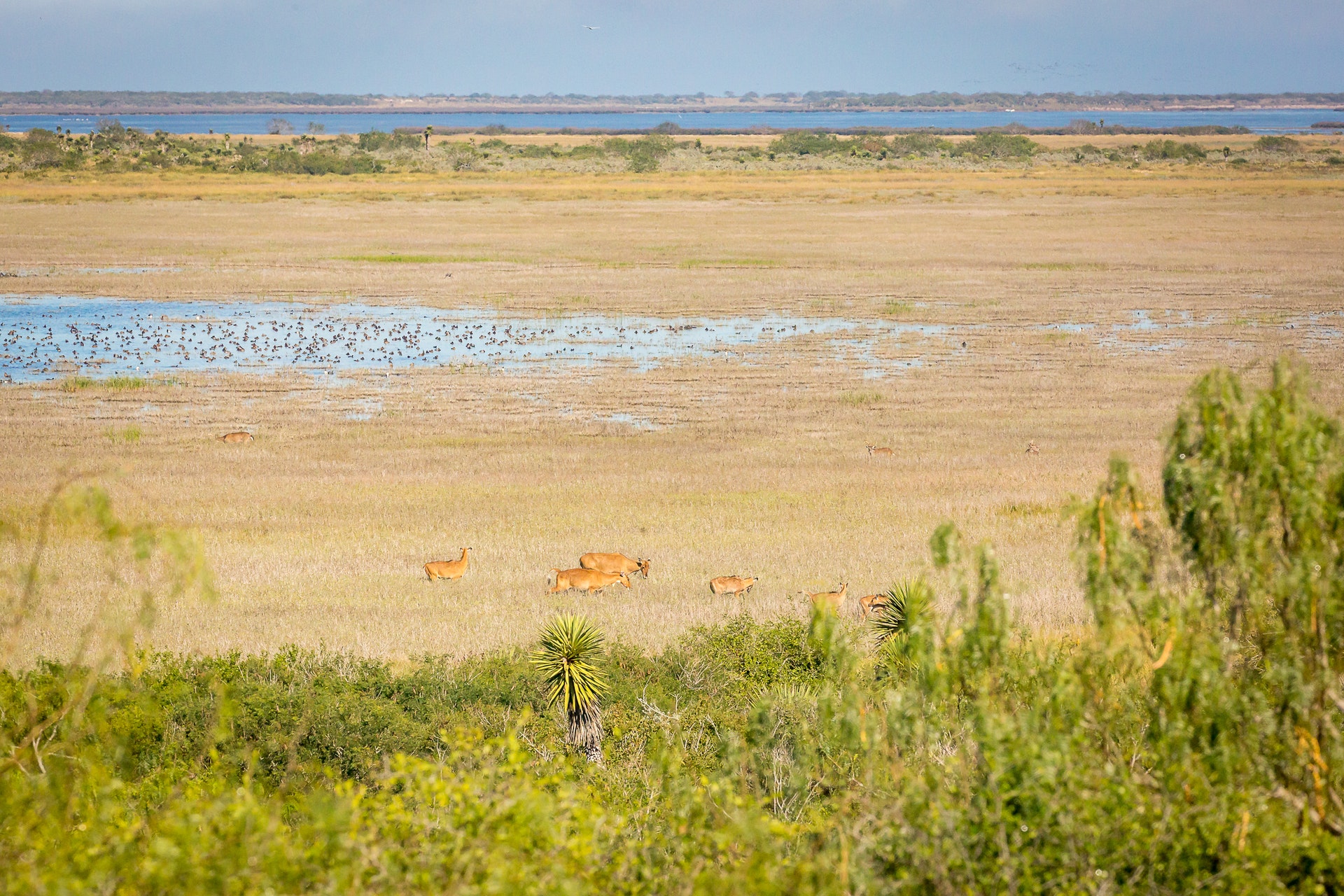
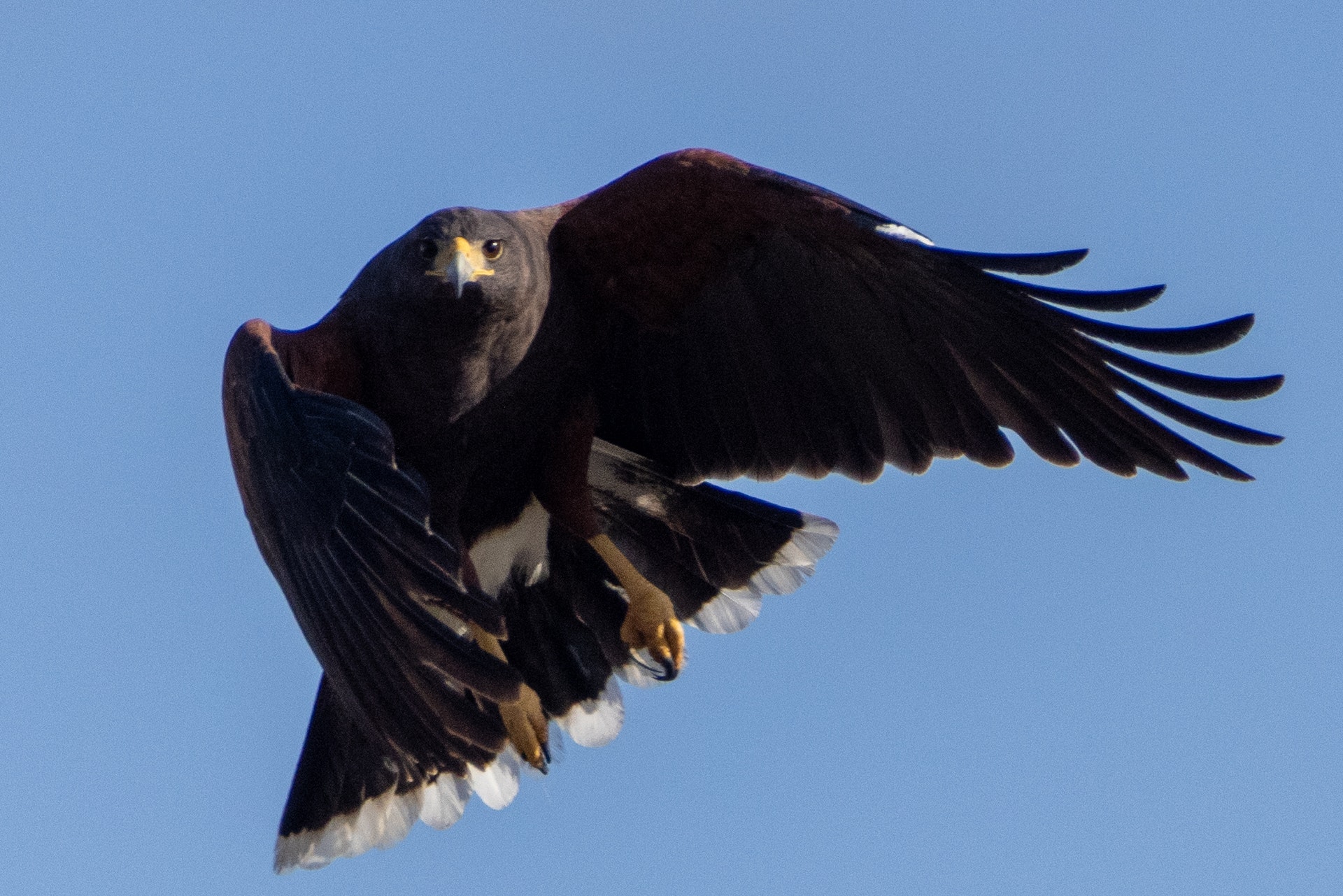
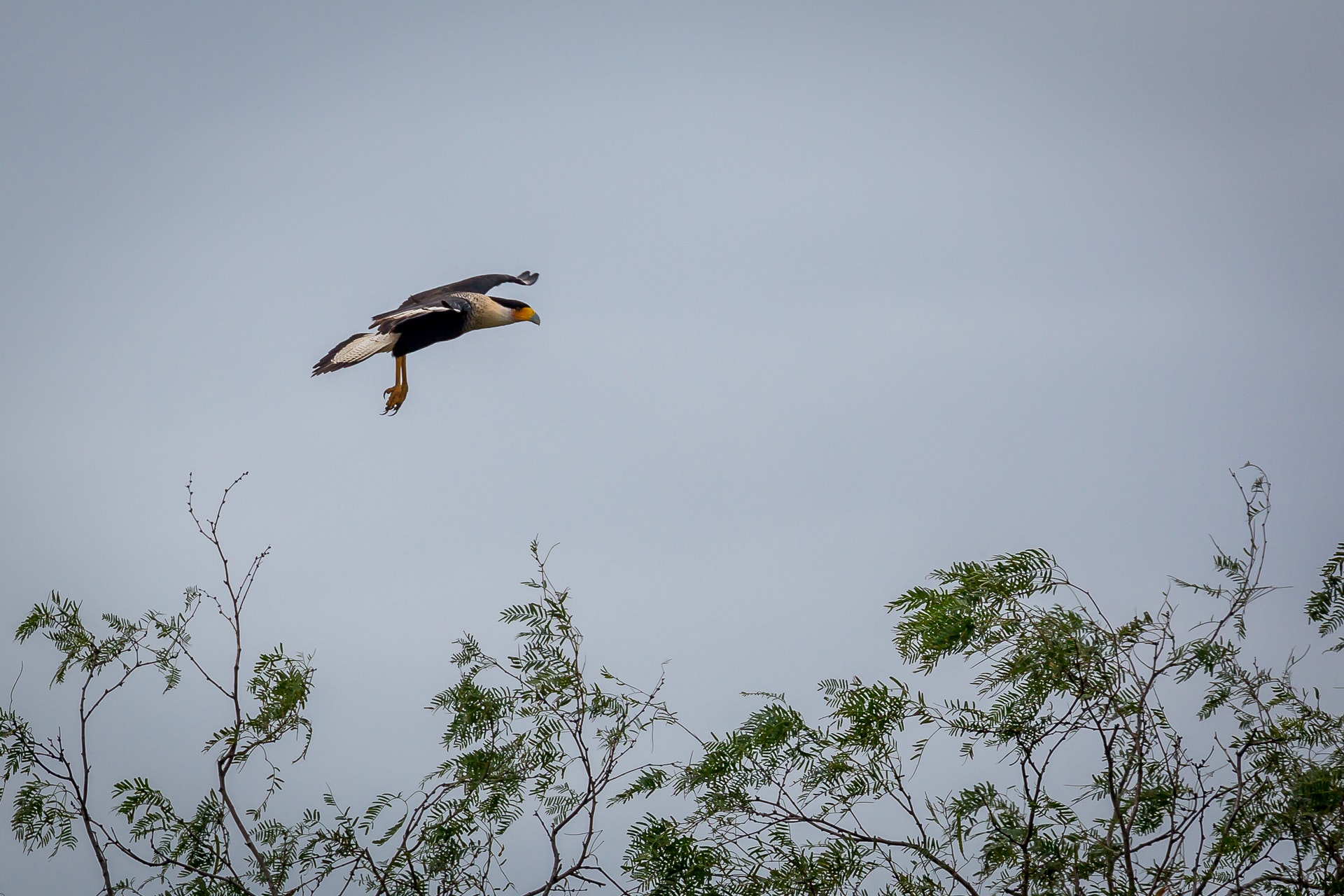
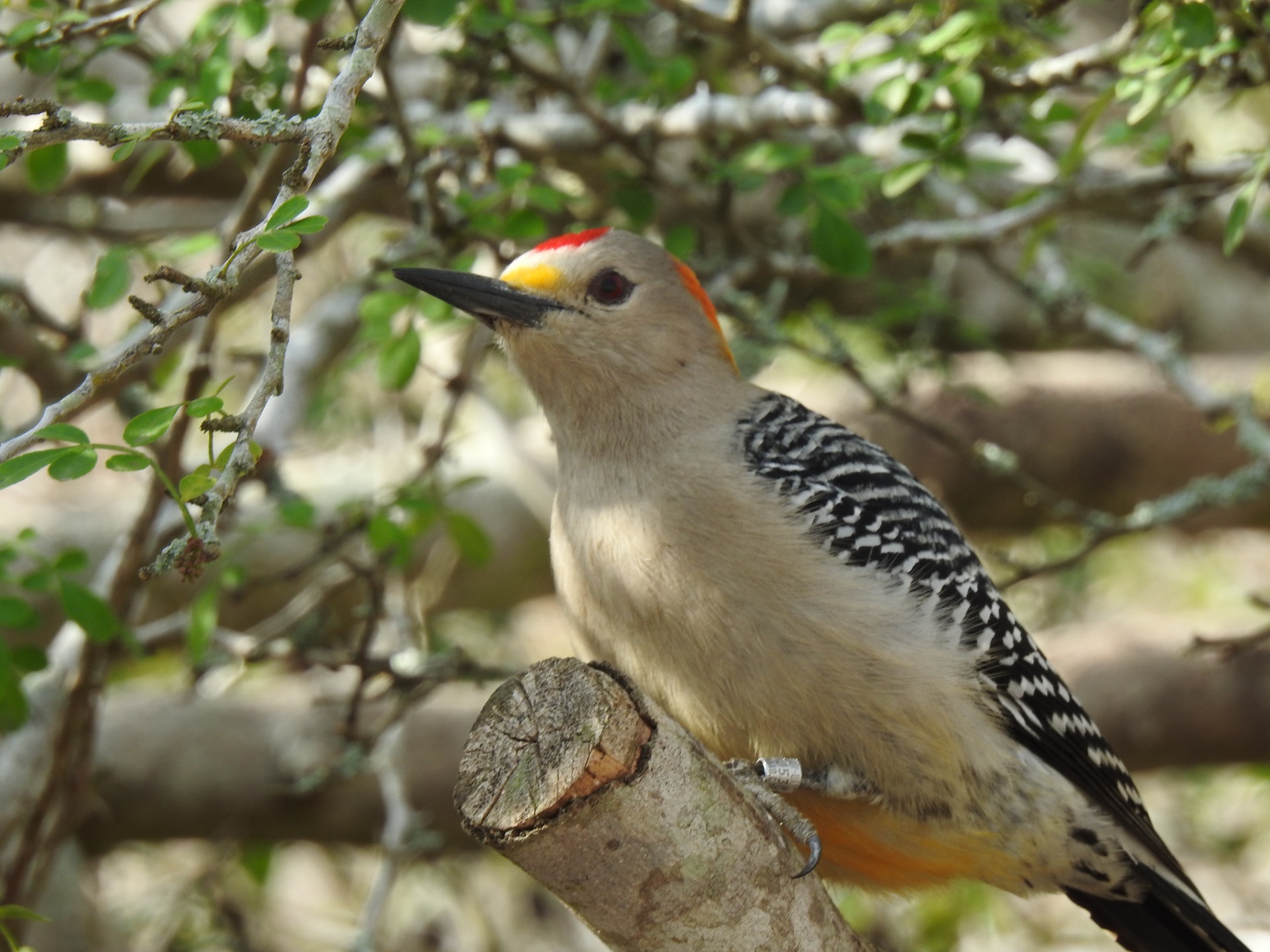
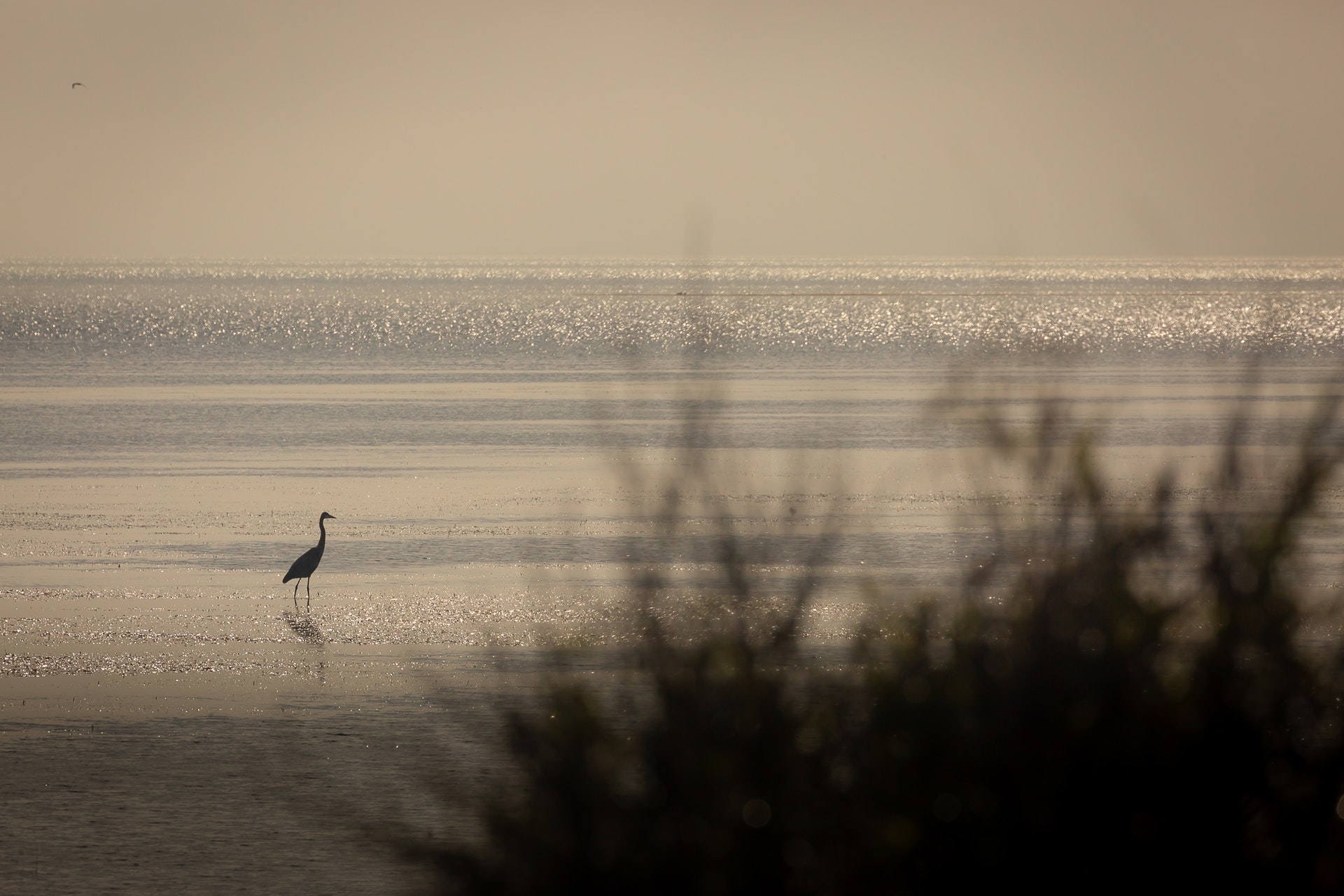
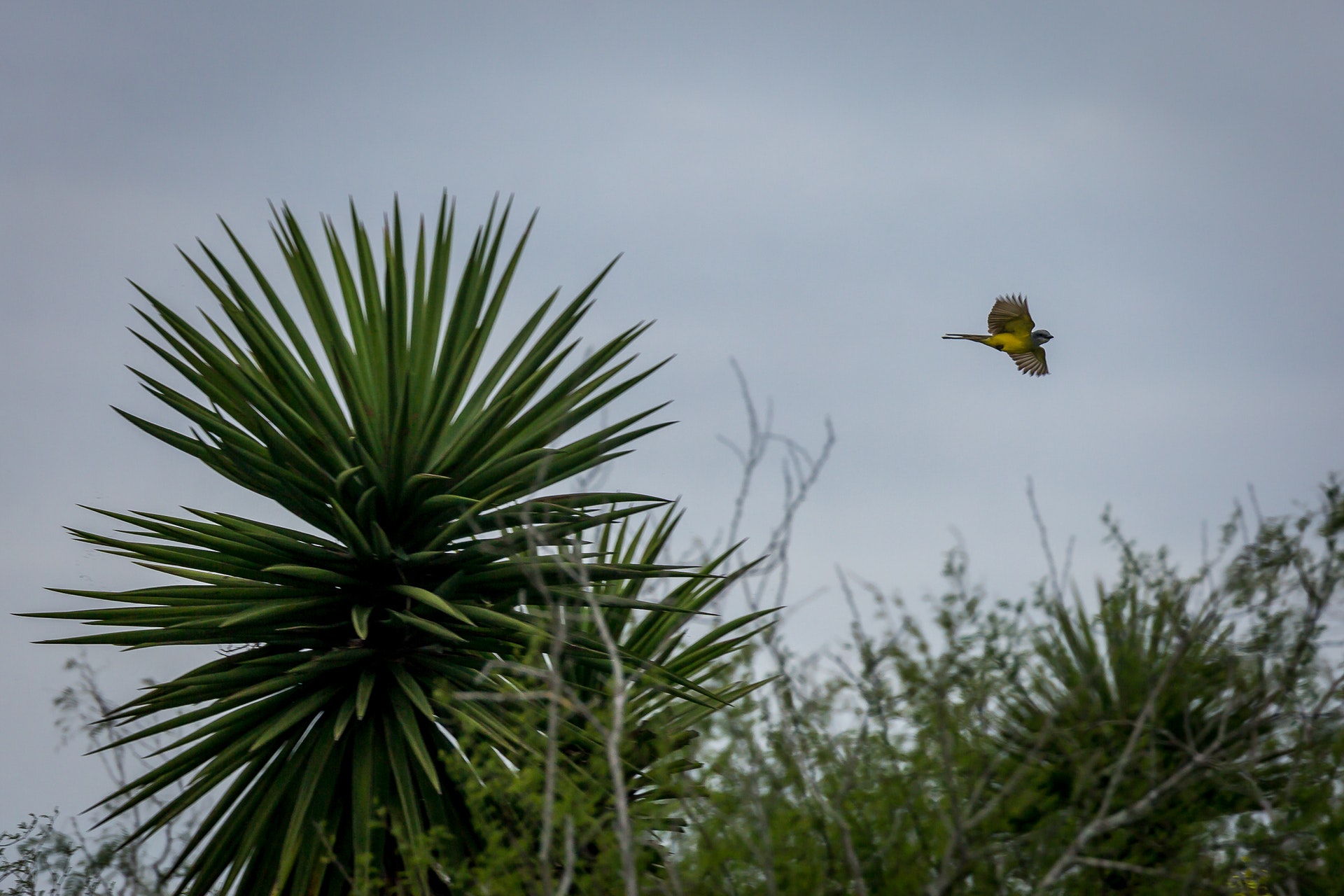
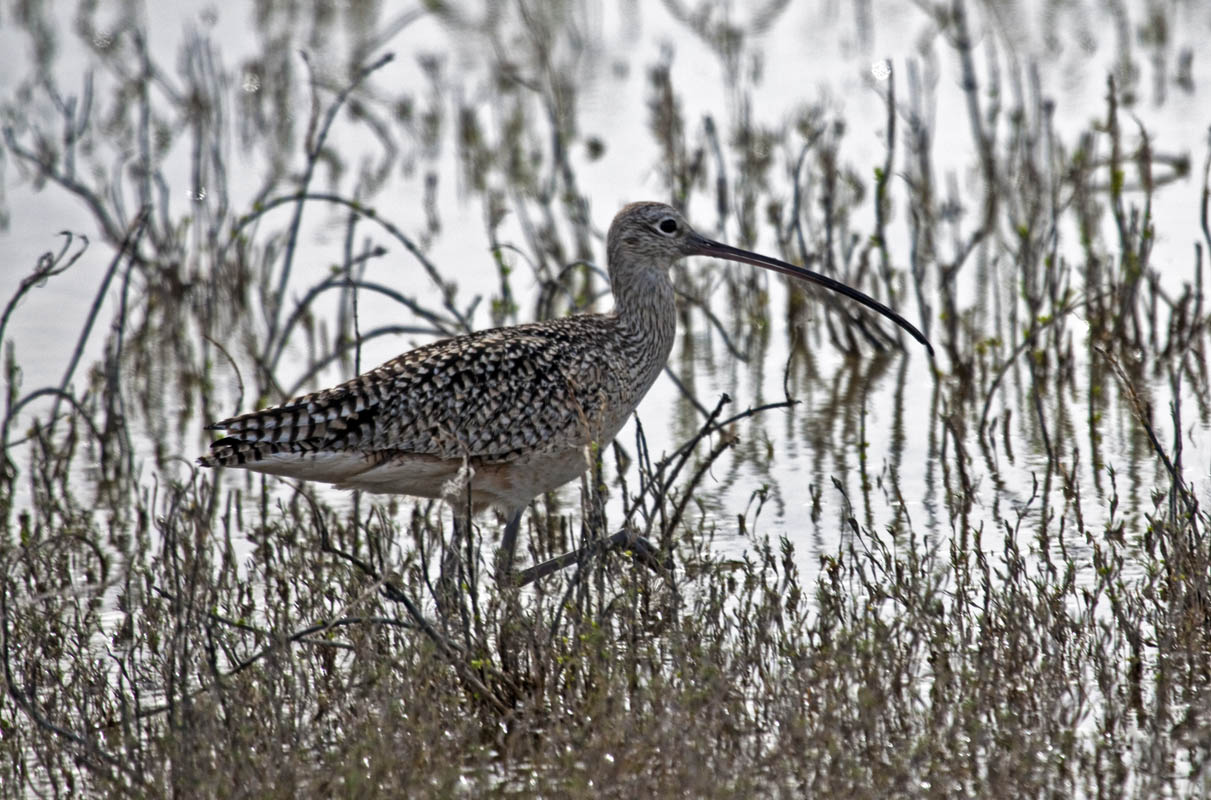
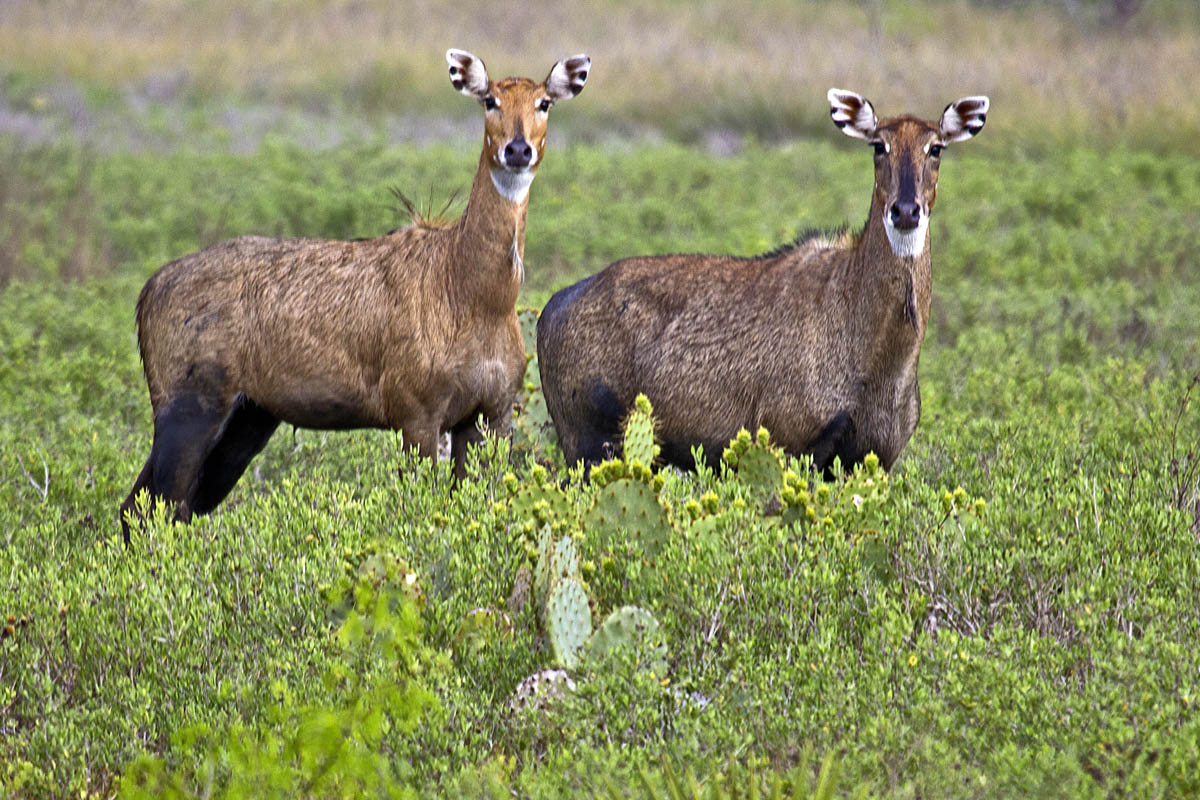
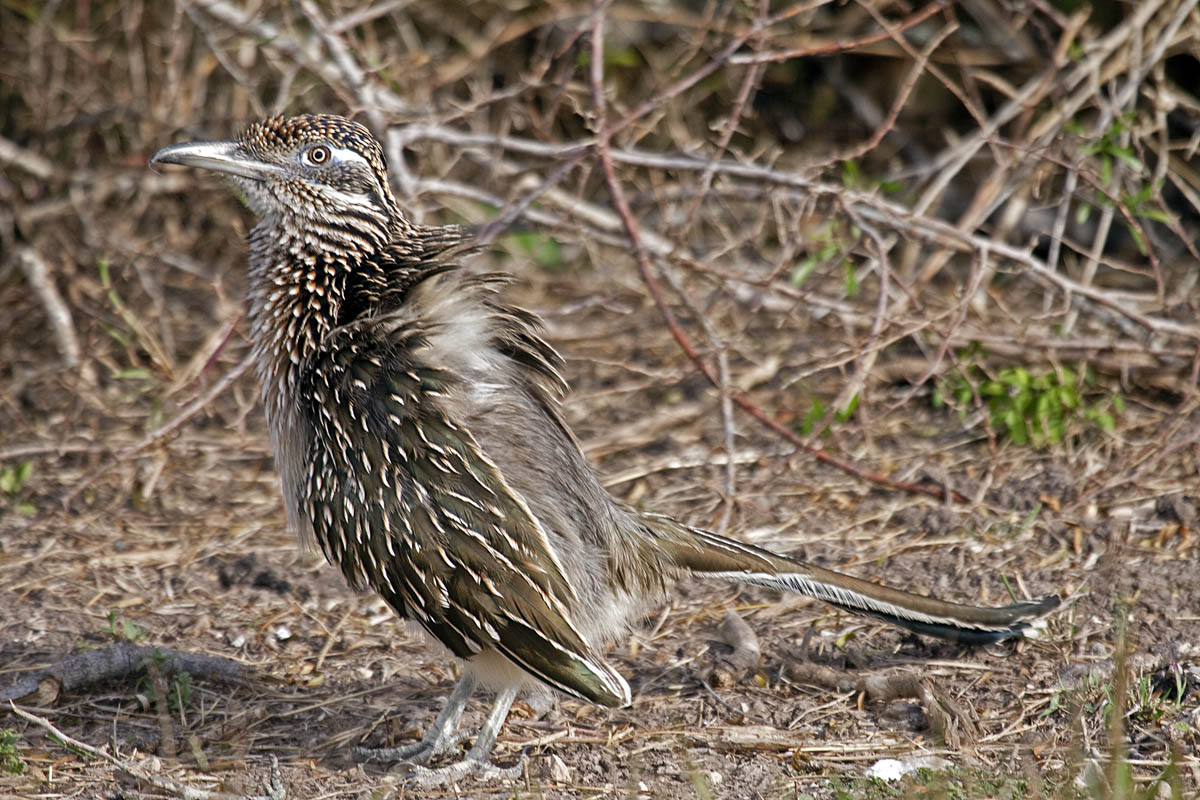
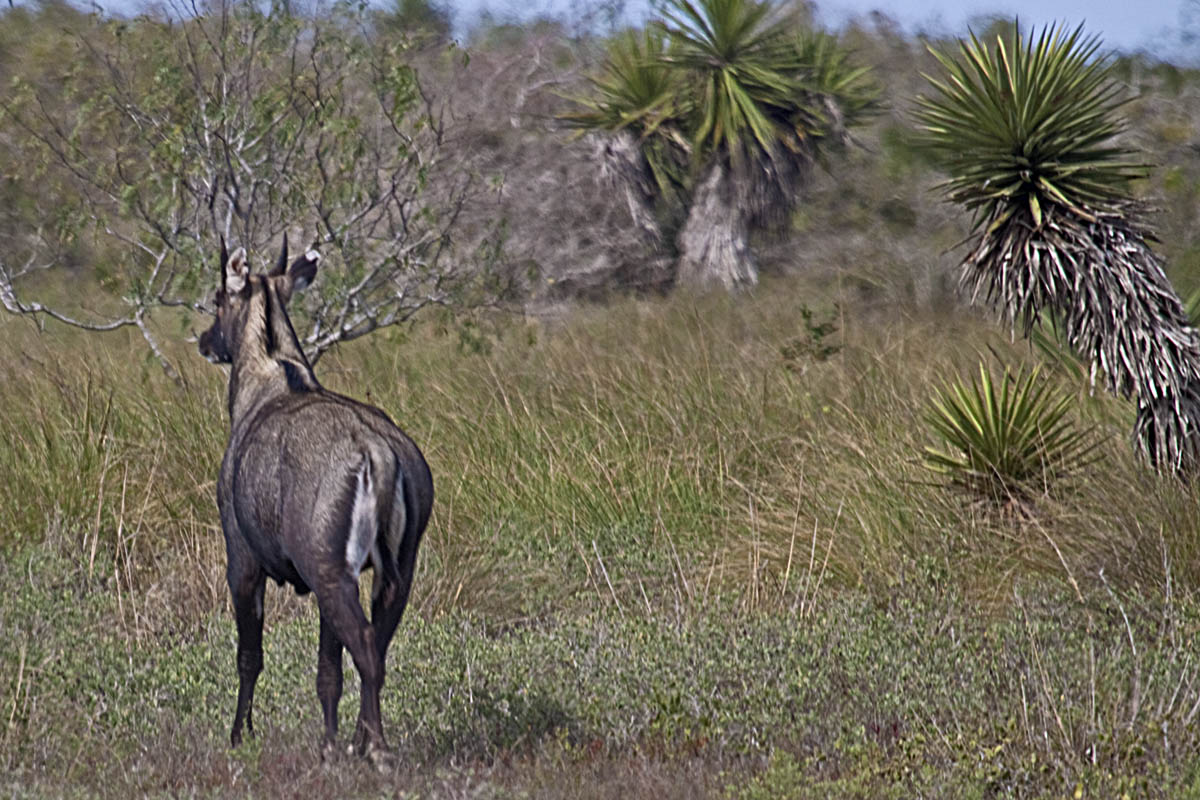
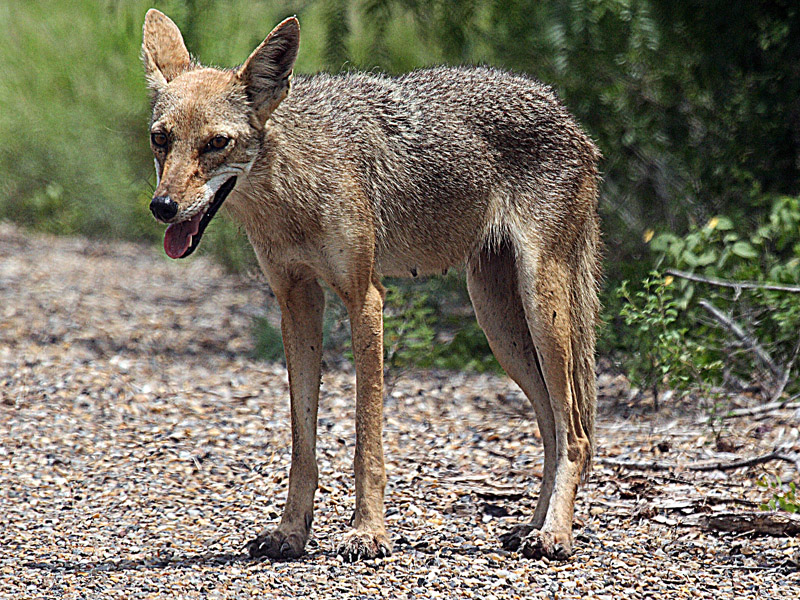
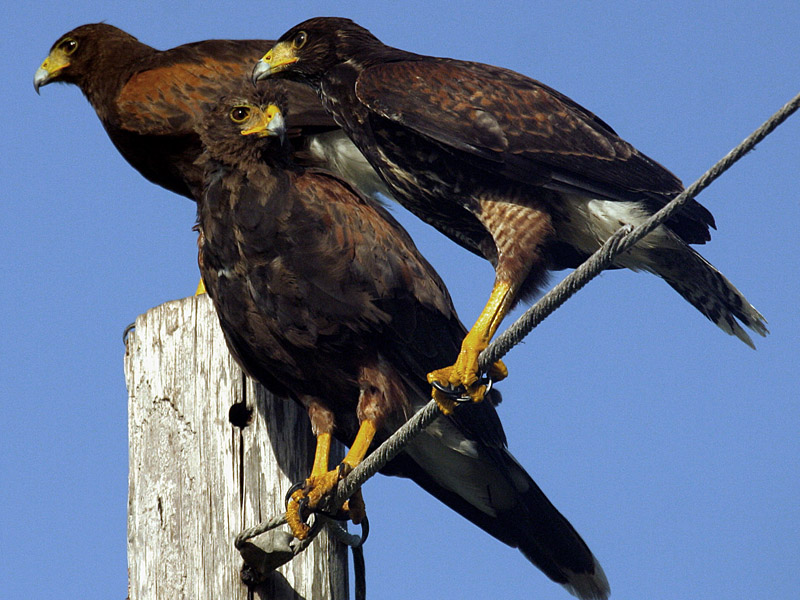
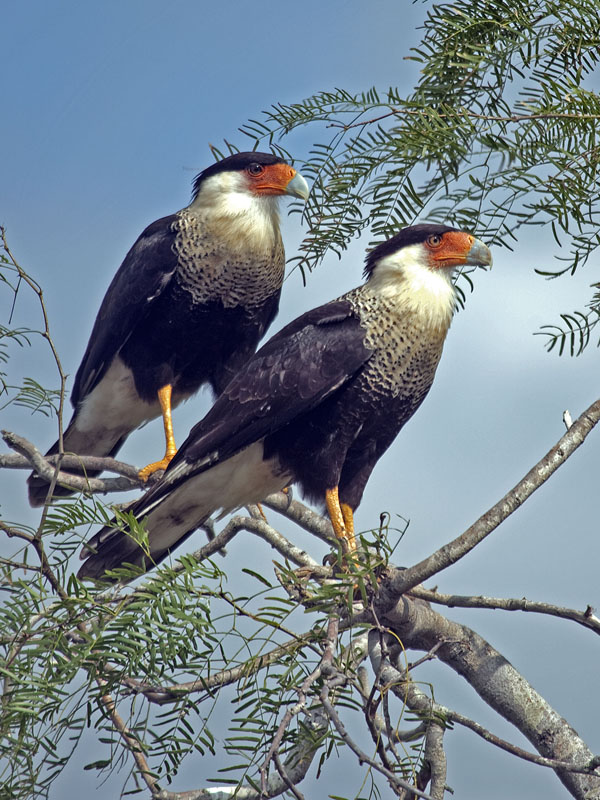
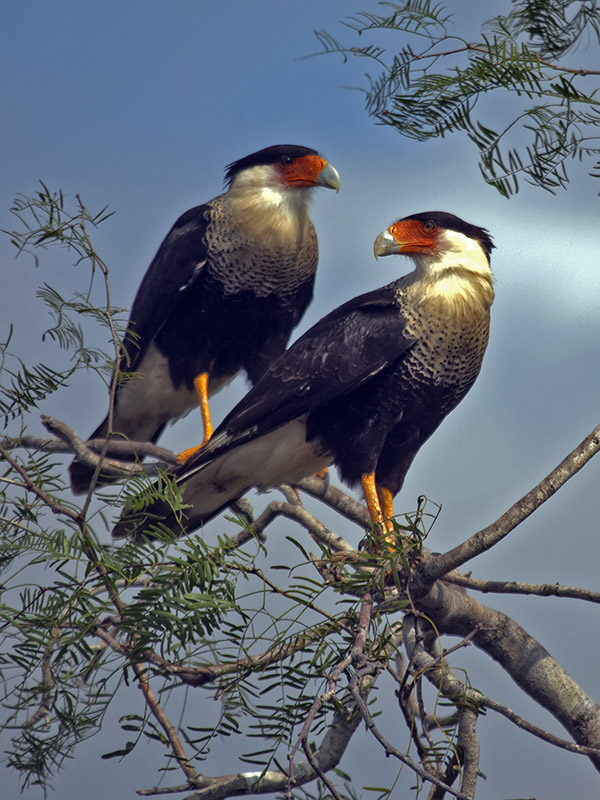
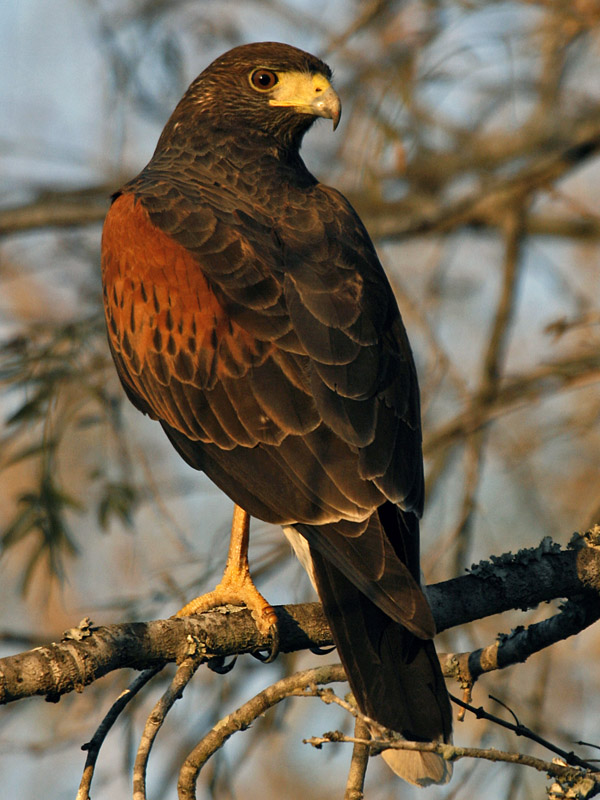
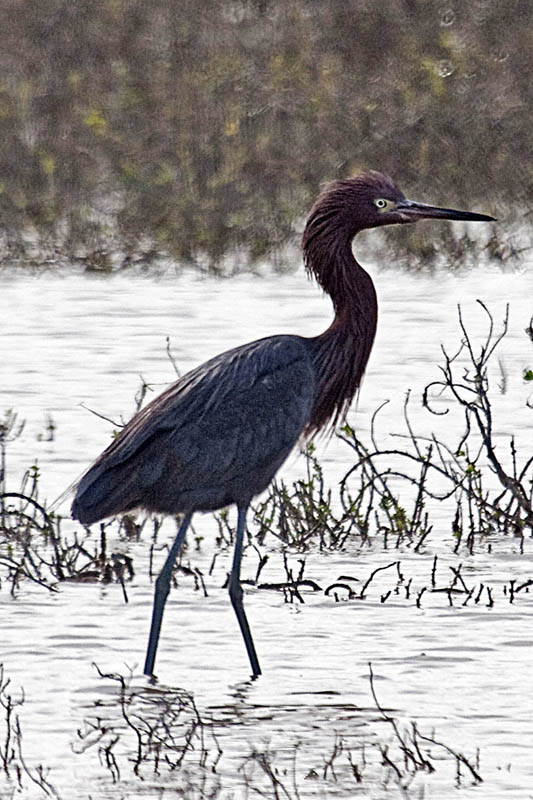
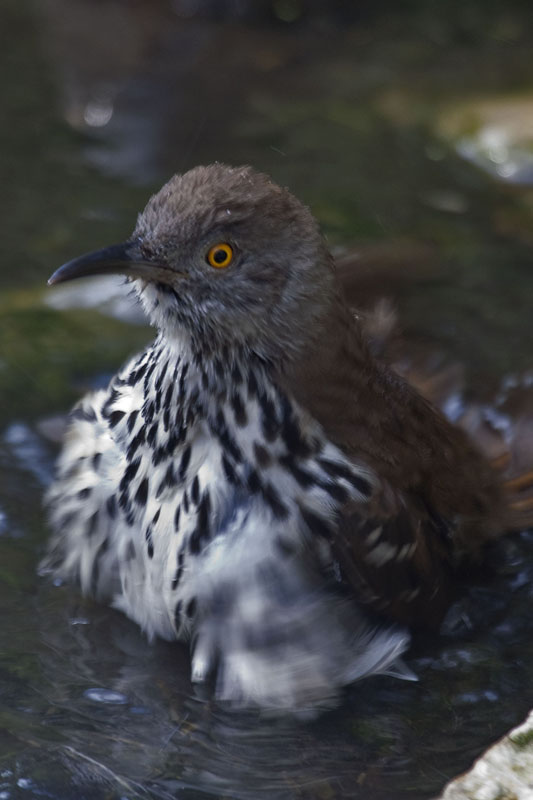
The south Texas landscape is a unique blending of temperate, subtropical, coastal, and desert habitats. Mexican plants and wildlife are at the northernmost edge of their range, while migrating waterfowl and sandhill cranes fly down for the mild winters. This combination makes Laguna Atascosa National Wildlife Refuge world famous for its birds, and home to a mix of wildlife found nowhere else.
Laguna Atascosa NWR is the largest protected area of natural habitat left in the Lower Rio Grande Valley, an oasis for wildlife with few alternatives. The refuge's 45,187 acres become more valuable with each acre lost to development--valuable to wildlife and valuable to those who enjoy wildlife in wildlands.
The south Texas landscape is a unique blending of temperate, subtropical, coastal, and desert habitats. Mexican plants and wildlife are at the northernmost edge of their range, while migrating waterfowl and sandhill cranes fly down for the mild winters. This combination makes Laguna Atascosa National Wildlife Refuge world famous for its birds, and home to a mix of wildlife found nowhere else.
Laguna Atascosa NWR is the largest protected area of natural habitat left in the Lower Rio Grande Valley, an oasis for wildlife with few alternatives. The refuge's 45,000 acres become more valuable with each acre lost to development--valuable to wildlife and valuable to those who enjoy wildlife in wildlands.
When the Spanish explorer Alonzo Alvarez de Pineda arrived in the Rio Grande Valley in 1519 he found a landscape very different from what we see today. The area was abundant with wildlife, and 3 million acres of coastal prairies and brushlands covered the landscape. Doves darkened the sky, deer grew fat on grasslands, and ducks filled the bays near the coast.
Day-UseFishingyes
Huntingyes
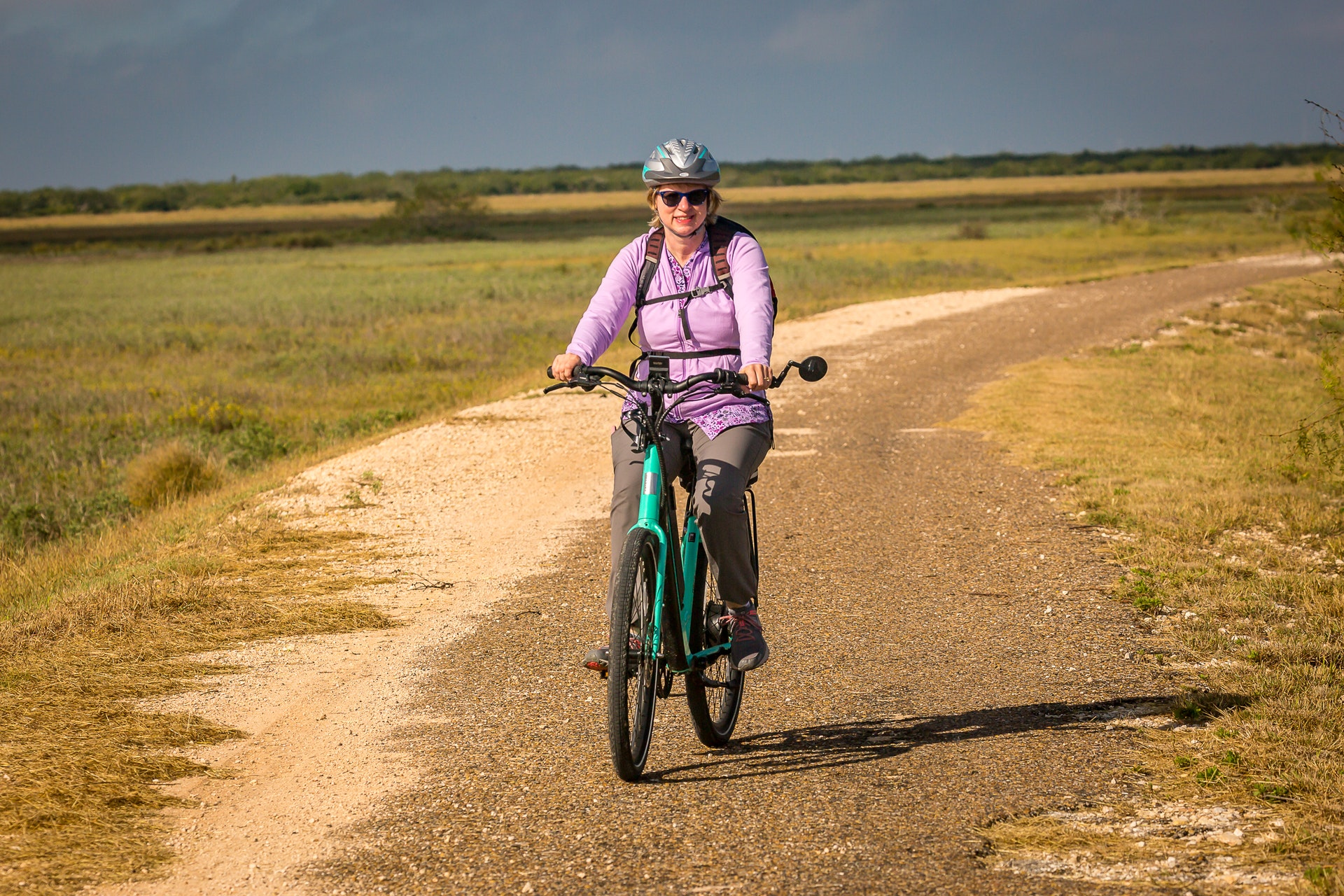
Hiking Trailyes




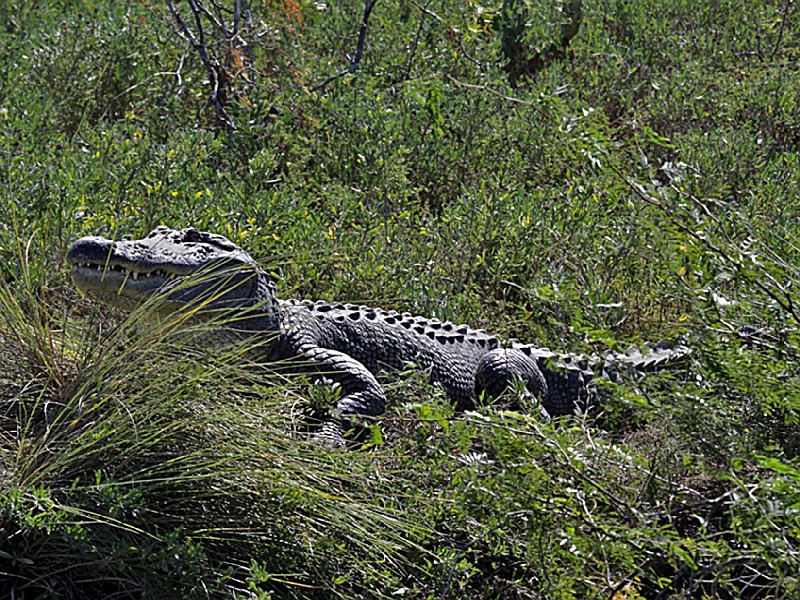
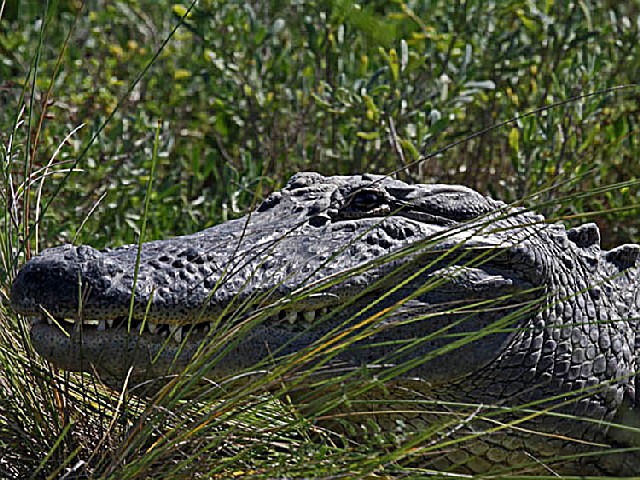
 SOME 15 YRS AGO IT WAS BEAUTIFUL REMEMBER DEER ON THE RD. WHILE I WAS WALKING ALLIGATORS IN A FENCED POND THE FENCE WAS BROKEN OFF I WAS AFRAID THEY COME OUT I WAS OK ....PLAN TO GO VISIT AGAIN SOON ITS BEAUTIFUL
 When will Lakeside Drive be open again?
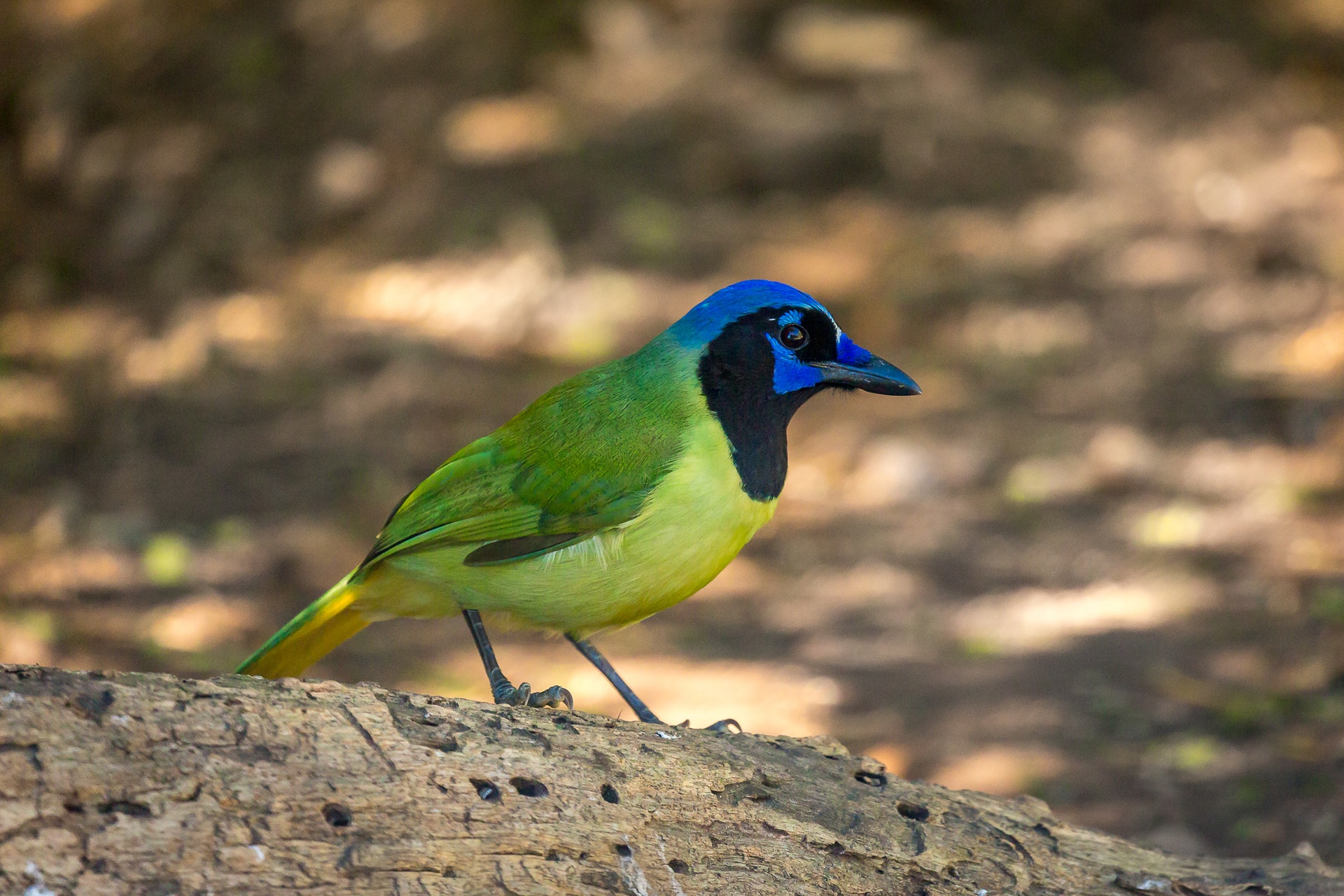
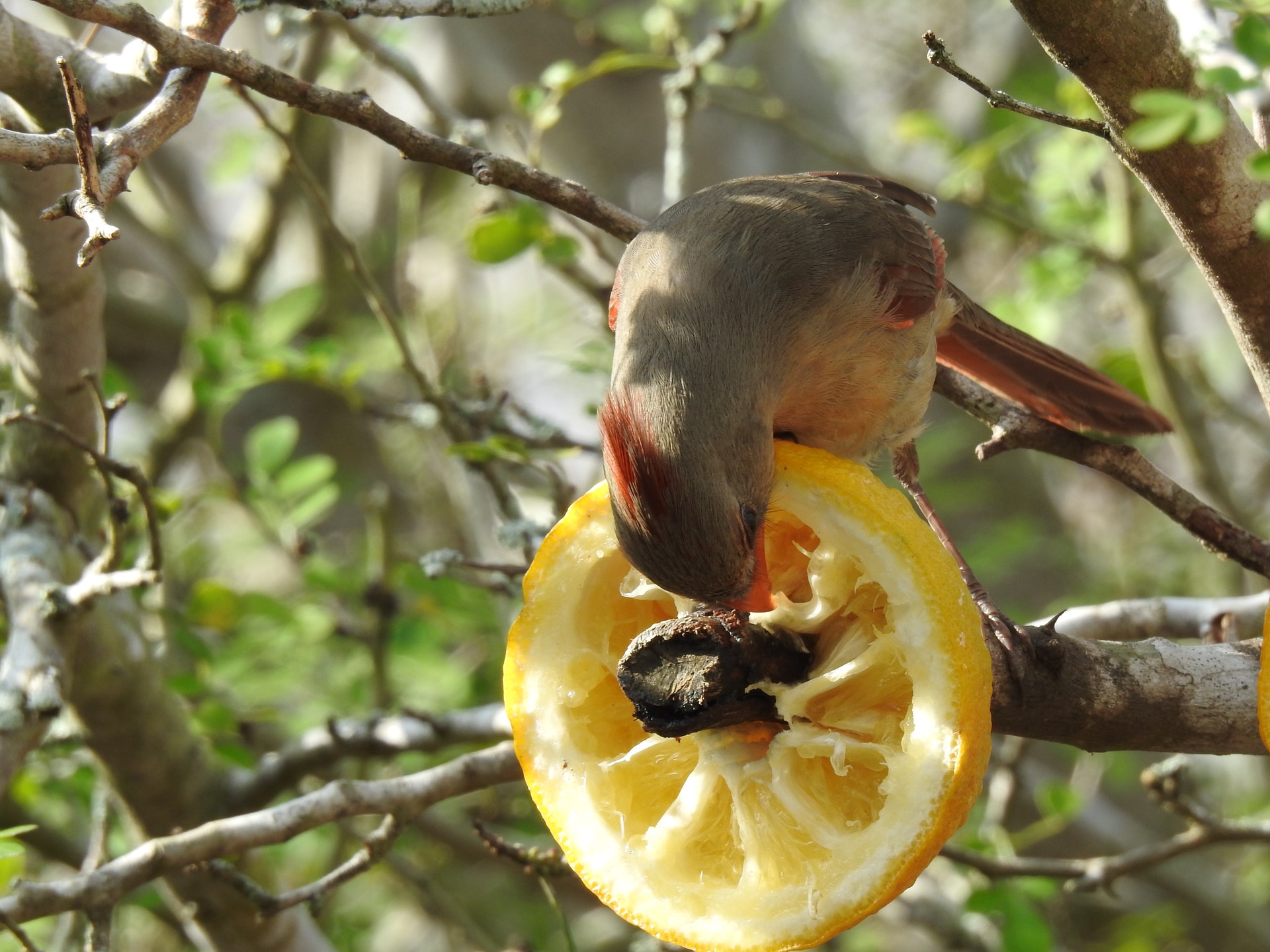
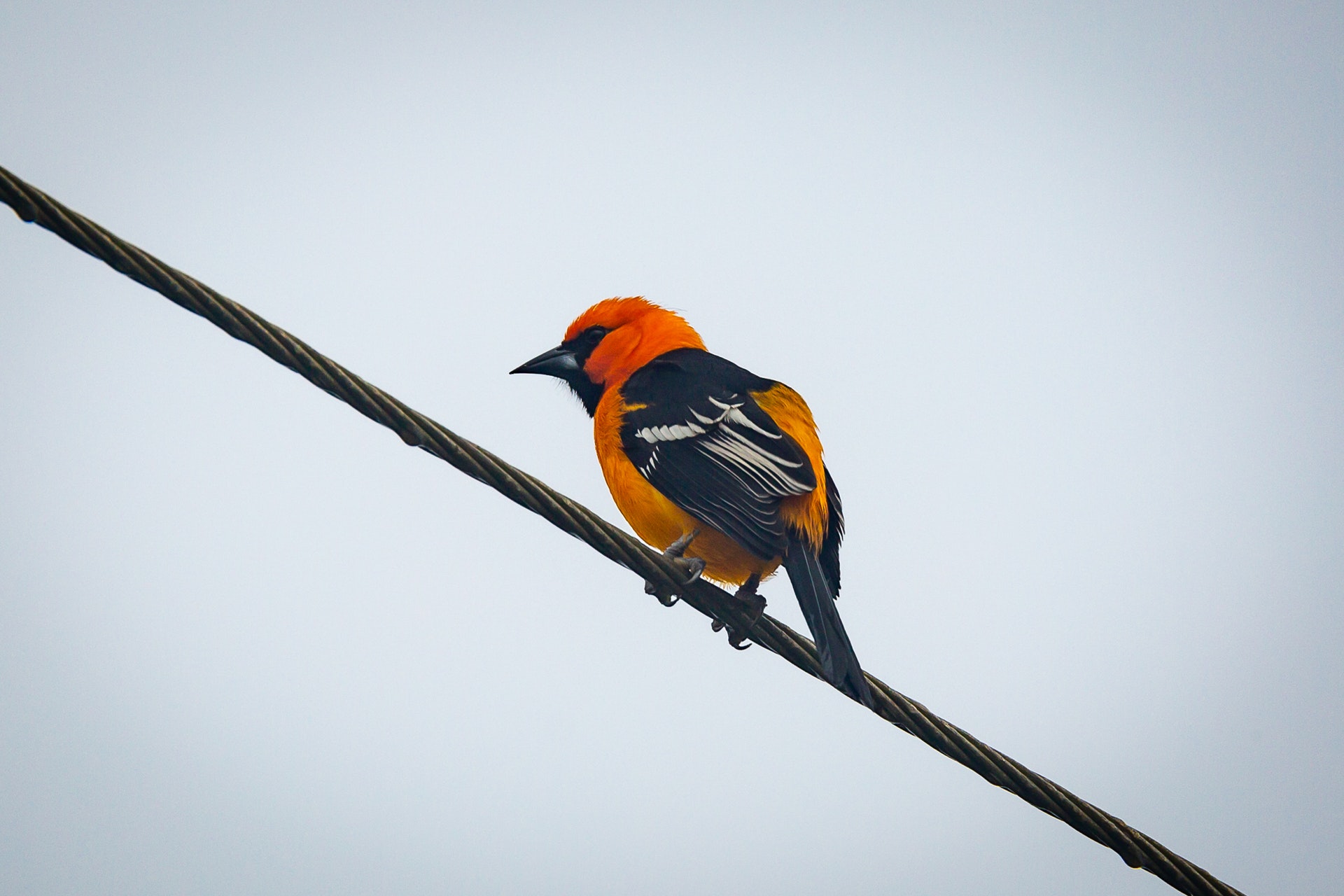
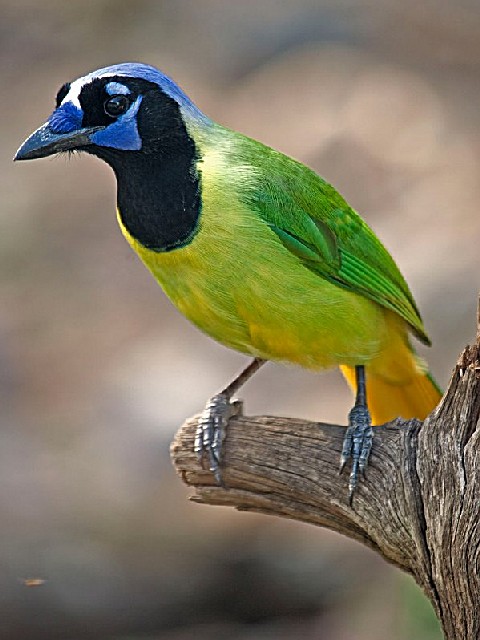
 Visiting family, excellent picnic area surrounded with Green Jays, Grackels, turkey Pheasants, cardinals, Orioles and many others. It was very cool!!



 Share Your Laguna Atascosa National Wildlife Refuge Photos (click here)