CAMANO ISLAND STATE PARK
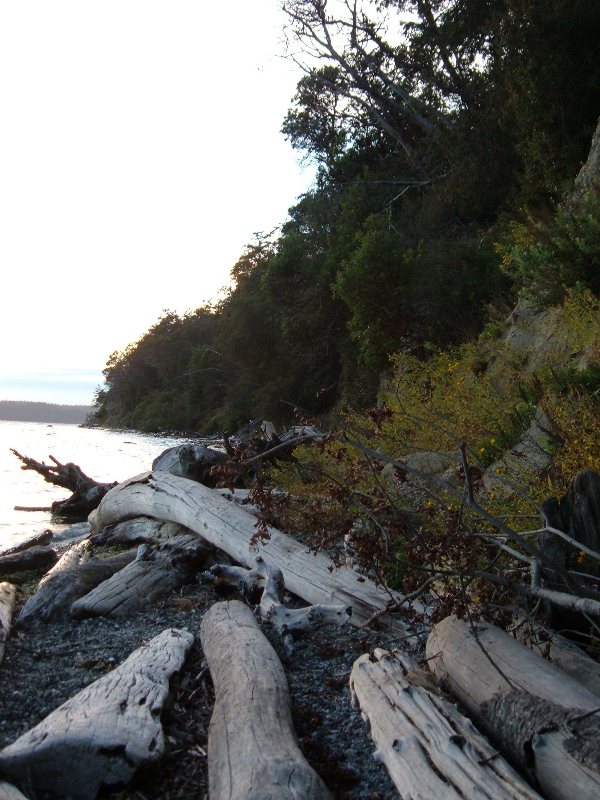
Camano Island State Park is a 134-acre camping park with 6,700 feet of rocky shoreline and beach. The park provides sweeping views of the surrounding mountains and offers opportunities for shellfish harvesting.
Park hours/updates:
Summer: 6:30 a.m. to 10 p.m.Winter: 8 a.m. to 5 p.m.
The park is open year round for camping and day use. Some campsites are closed in winter. Camping:Check-in time, 2:30 p.m.Check-out time, 1 p.m.Quiet hours: 10 p.m. to 6:30 a.m.
Chipmunks, Coyotes, Deer or Elk, Otters, Rabbits, Raccoons, Skunks, Crows or Ravens, Doves or Pigeons, Ducks, Eagles, Geese, Gulls, Hawks, Herons, Hummingbirds, Jays, Owls, Woodpeckers, Wrens, Clams, Crabs, Mussels, Octopuses, Sea Birds, Sea Cucumbers, Seals, Shellfish, Shrimp, Starfish, Whales, Bullhead, Cod, Crappie, Eel, Perch, Salmon, Shark, Steelhead, Trout
During the last ice age, the area was covered by an ice sheet approximately one mile thick. The glacier carved the shape of the island with its high "feeder banks" that helped build the beaches. Cedar, Douglas, Fir, Hemlock, Spruce, Yew, Alder, Apple, Cherry, Maple, Poplar, Daisy, Foxglove, Lupines, Paintbrush, Rhododendron, Rose, Berries, Eel, Grass, Ferns, Moss or Lichens, Seaweed, Thistle
Earliest inhabitants of Camano Island were the Kikalos and Snohomish Indians, who used the island for a summer dwelling while gathering seafood and berries. They named it "Kal-lut-chin," meaning "land jutting into a bay." The island was renamed for Jacinto Caamano, a Spanish explorer.
The first European settlers came to the island in 1855 and began extensive logging operations. Farmers came later and developed the area agriculturally.
After the land was designated for use as a park in 1949, the initial development was accomplished in a single day by nearly 900 volunteers from Stanwood and Camano Island. The park celebrated its 50th birthday in July, 1999.
Available in the park
Available in the area
Camping Firewood
Auto repair
Camping
Diesel
Gasoline
Gifts
Golf
Groceries
Hardware
Marine supplies
Overnight Accommodations
Postal service
Propane
Wood
Swimming
Most services are available within a few miles of the park.
The camp has 88 tent spaces, five cabins, one dump station, two restrooms and two showers. The upward camp loop is better for RVs of up to 40 feet.
Reservations are needed for the campsites at Camano Island State Park during the peak-season from mid-May to mid-September. They are first-come, first-served only during the off-season. Reservations can be made online at https//washington.goingtocamp.com.
There are two boat ramps.
A daily watercraft launching permit for $7 and a daily trailer dump permit is available at the park. Annual permits also may be purchased at State Parks Headquarters in Olympia, at region offices, online, and at parks when staff is available.


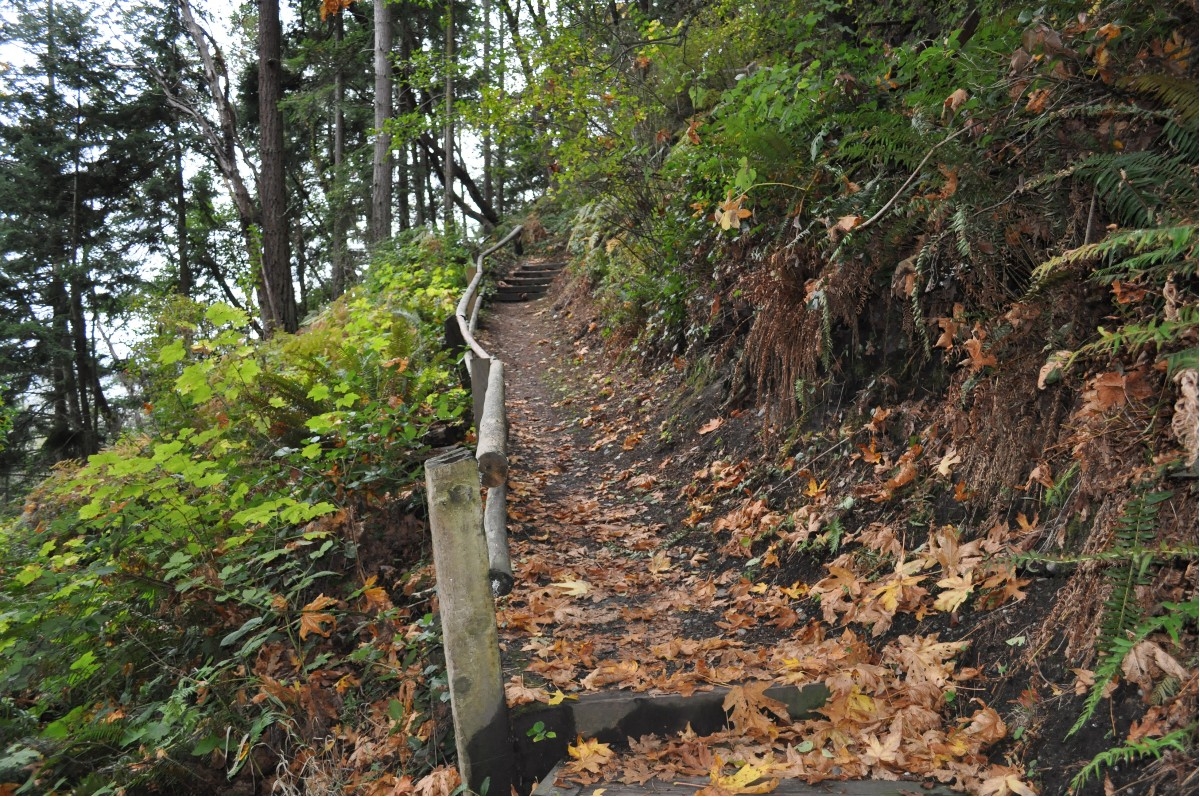
 nice beach with cool cliffs and a nice trail that leads to it. I had a lot of fun




 Share Your Camano Island State Park Photos (click here)