ANAHUAC NATIONAL WILDLIFE REFUGE
ANAHUAC NATIONAL WILDLIFE REFUGE509 Washington Street
Anahuac, Texas 77514
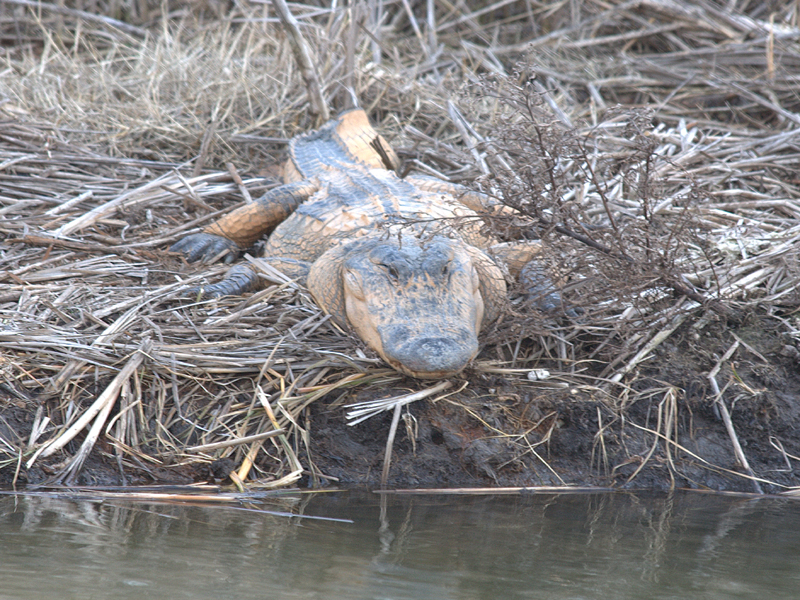
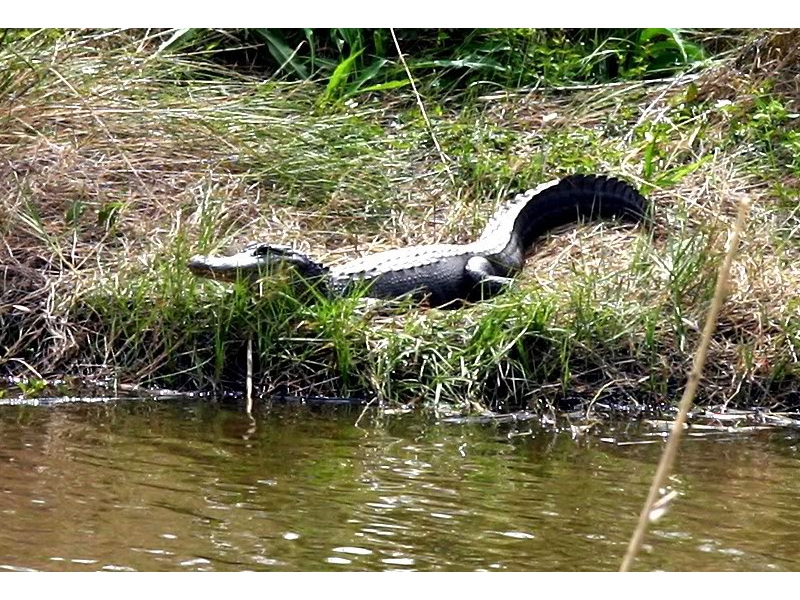
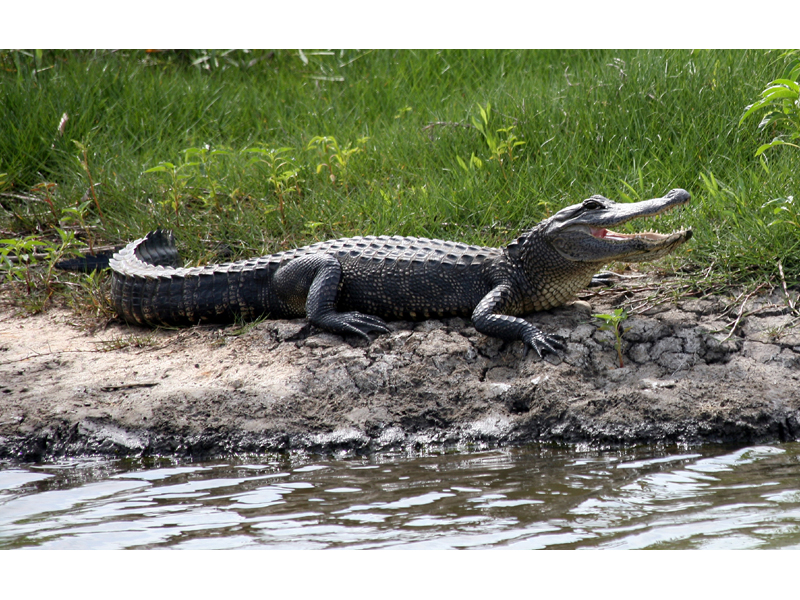
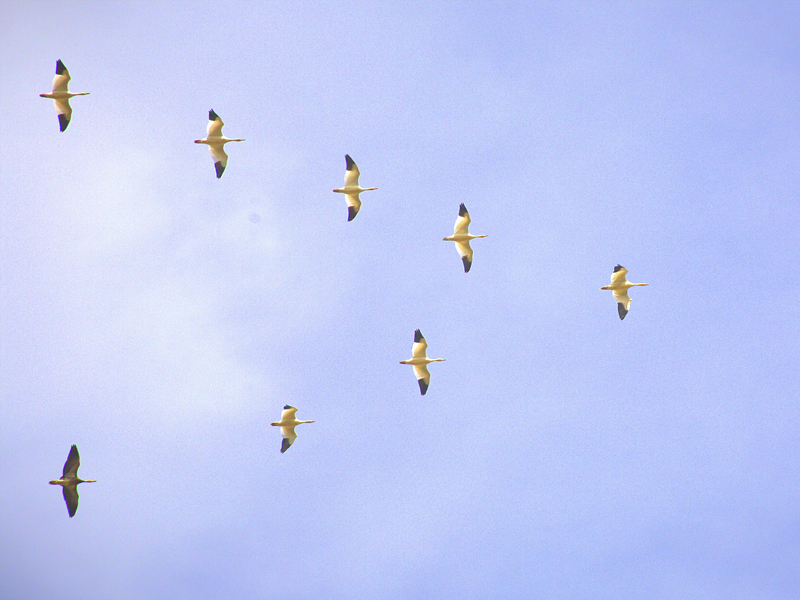
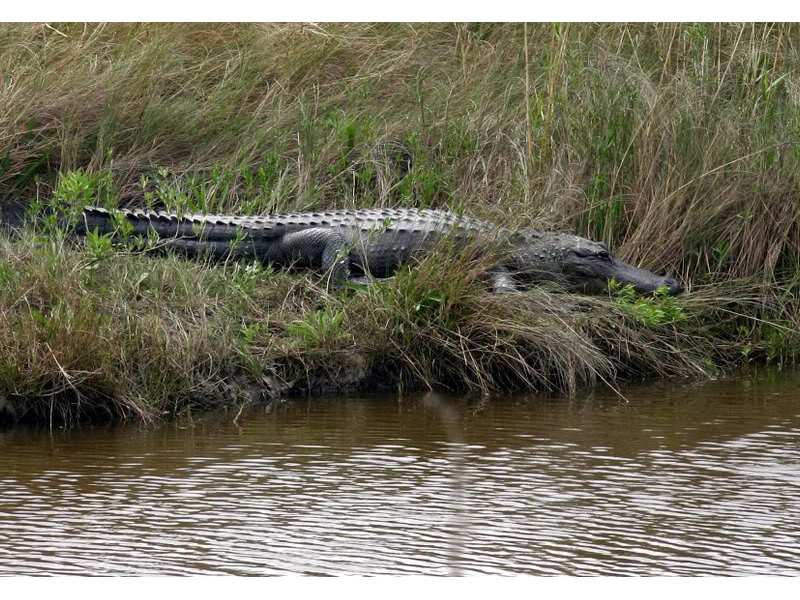
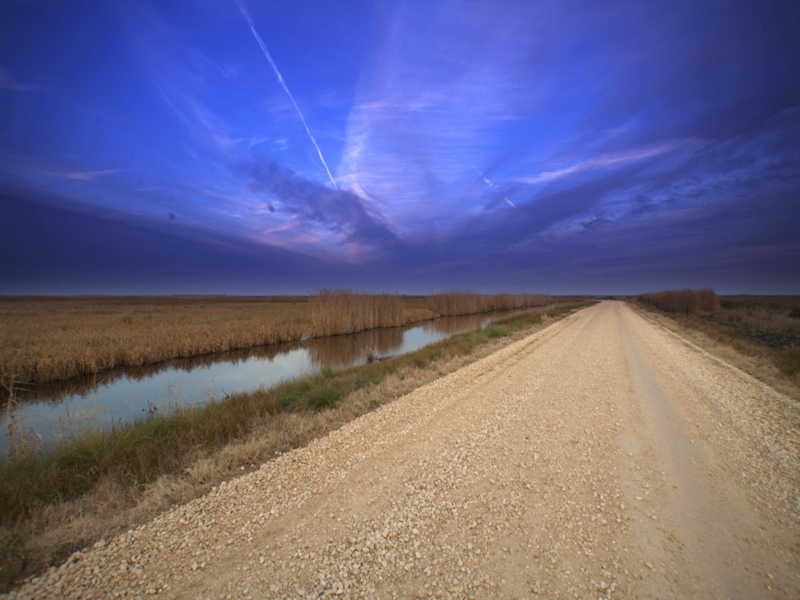
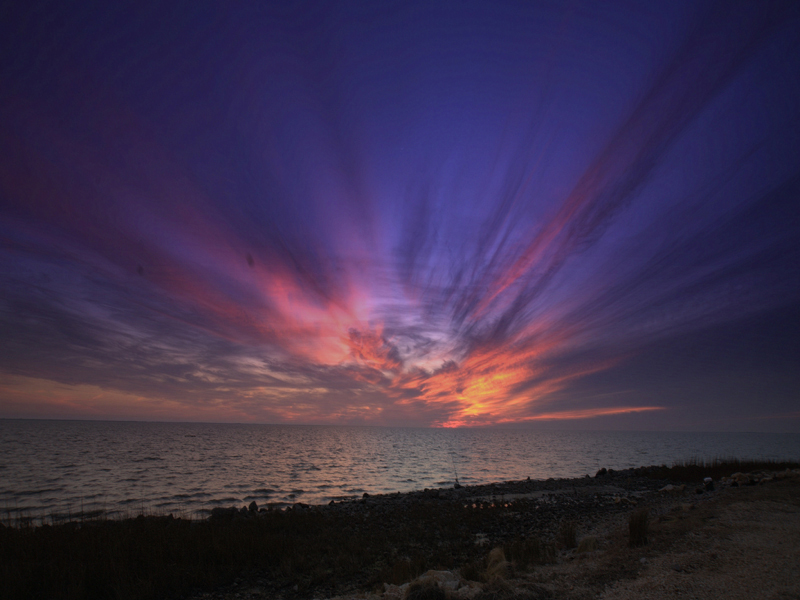
The chorus of thousands of waterfowl, the splash of an alligator going for a swim, the rustle of wind moving through coastal prairie, the high-pitched call of a fulvous whistling duck are just some of the sound you may hear when visiting Anahuac National Wildlife Refuge. This 34,000-acre haven for wildlife is located on the upper Texas gulf coast.
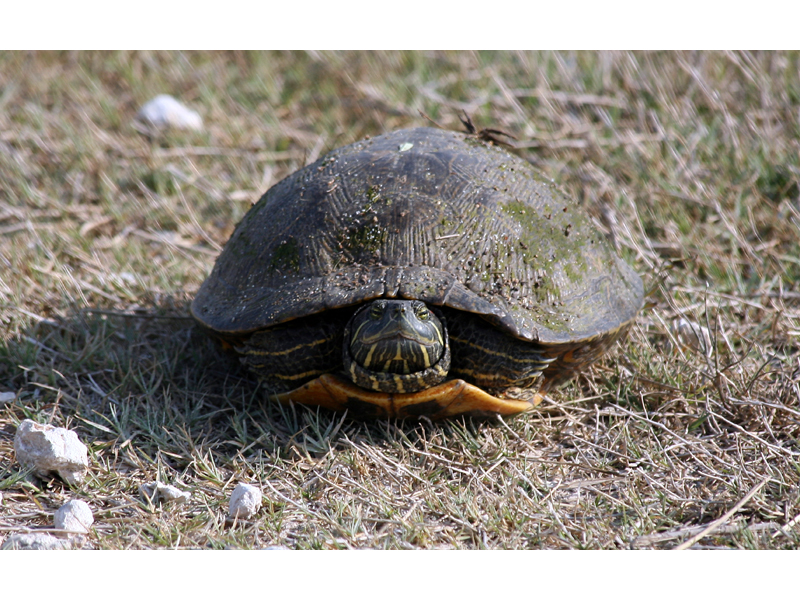
The meandering bayous of Anahuac NWR cut through ancient floodplains creating expanses of coastal marsh and prairie bordering Galveston Bay. Prevailing breezes bring in moisture from the Gulf of Mexico, resulting in high humidity and an average annual rainfall of over 51 inches. Coastal marshes act as a huge sponge, holding and siphoning water from tropical storm tides and upstream flooding. These marshes, combined with the coastal prairie, provide a home for an abundance of wildlife, from migratory birds to alligators.
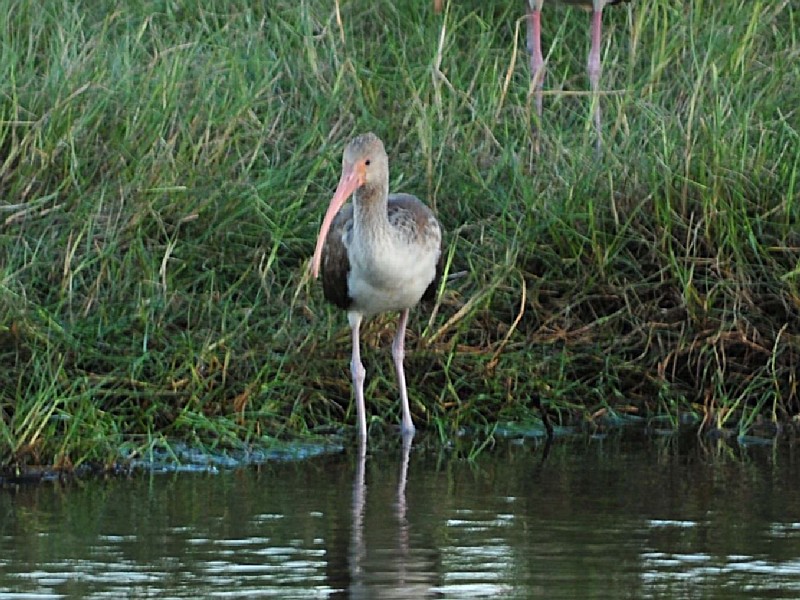
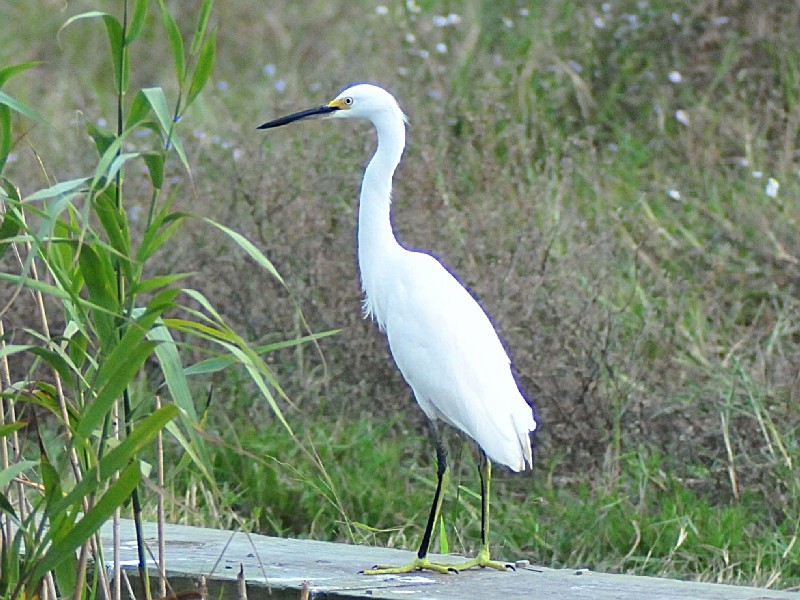
Anahuac NWR is an important link in the chain of national wildlife refuges extending along the gulf coast of Texas and Louisiana. The goal of refuge management is to provide habitat for native fish and wildlife. Roseate spoonbill, great egrets, snowy egrets, white-faced ibis, and white ibis are just some of the long-legged waterbirds that can be seen on ponds, rice fields, and moist soil units throughout the refuge. Listen and look closely on Yellow Rail Prairie for the secretive yellow rails that winter in the salty prairies.
During spring and fall migrations, warblers, and other songbirds can be seen or heard on walks in small wooded areas throughout Anahuac NWR. The willows near Shoveler Pond, the salt cedar hedgerow north of Teal Slough, and the narrow hackberry woodland along East Bay Bayou offer some of the best birding opportunities in the area.
Anahuac NWR shores its name with the town of Anahuac. The name is an Aztec wor (watery plain) but the area had no connection with te Aztecs, or any other distant peoples. Anahuac was part of the territory of the Atakapa and Akokisa Indians, a small and scattered population of nomadic people who resided here for century, and fished, hunted, and gathered every available plant and animal resource that hte region could offer. Their middens of discarded shell fish and their campsites dot the landscap4e, but ther were no permanent settlements here.
Day-UseFishingyes
Huntingyes
Hiking Trailyes




 We learned so much about bird species and just awe inspiring experiences walking the Willow Trail on elevated platform and Shoveler Pond. Didnt expect the alligators we saw but that was added bonus. East Unit was closed and so was visitor center due to Covid. It was sad but allowed us to spend so much more time on the other two places. Its a place everyone should make time for. Mosquito repellent and water a must.
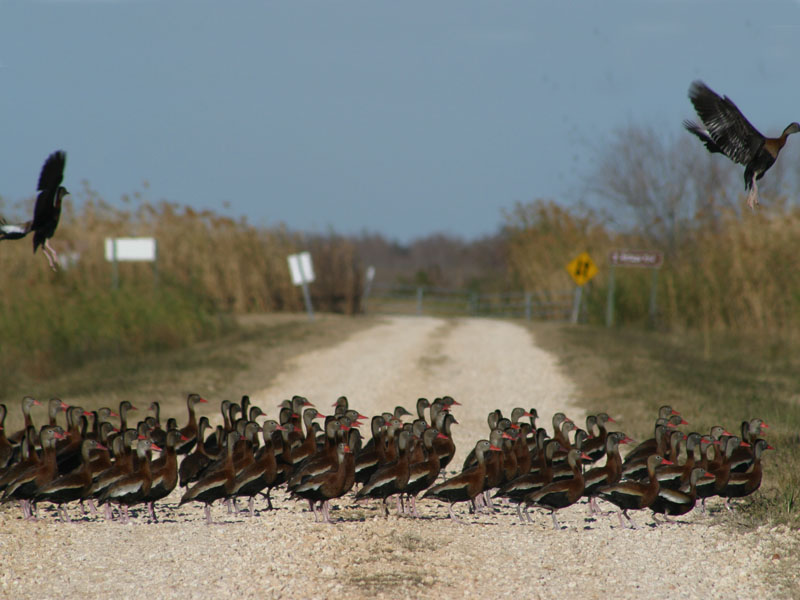
 The main road leading to the Willows area and Shoveler Pond was under construction and not usable. The Skillern Tract area was okay, lots of Black-bellied whistling-ducks, Fulvous Whistling-ducks and a small flock of Greater White-fronted geese. Will try the park on another day when the road construction is done.


 Share Your Anahuac National Wildlife Refuge Photos (click here)