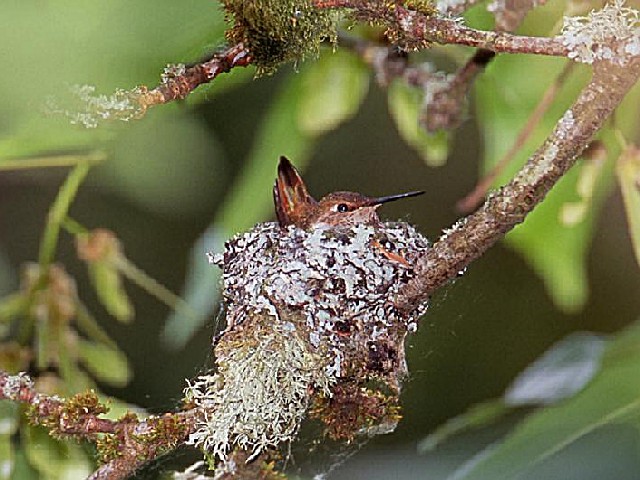
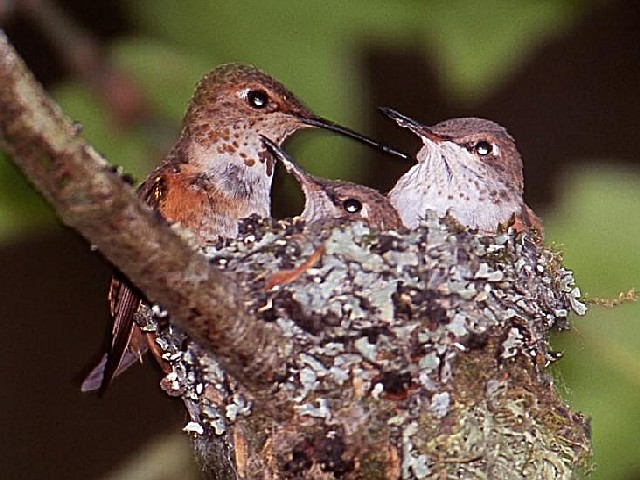
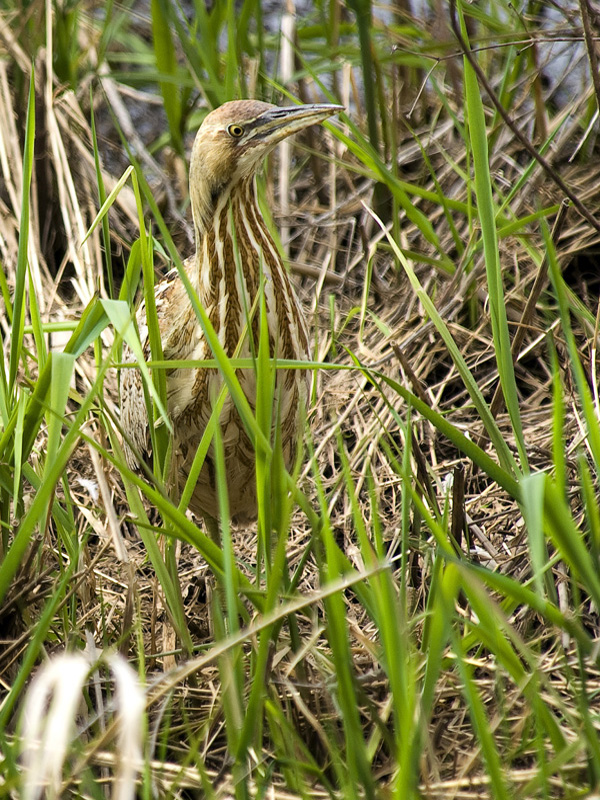
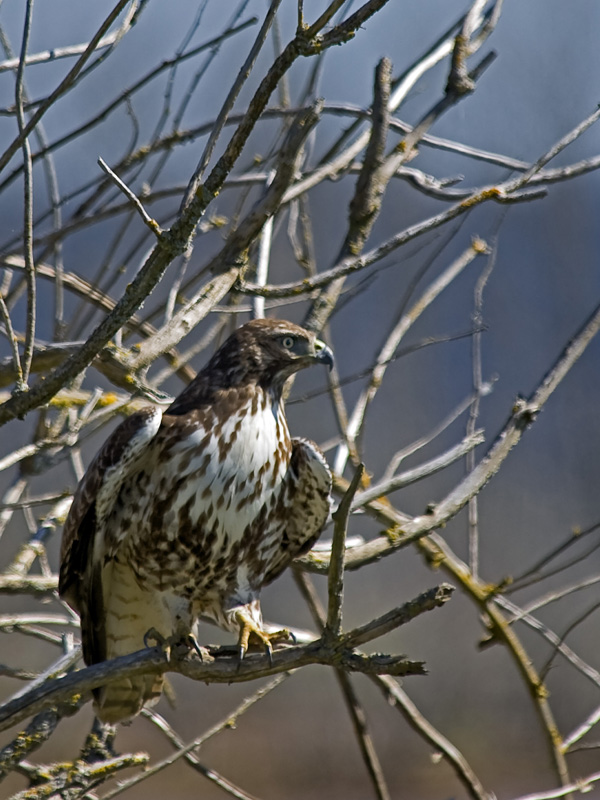
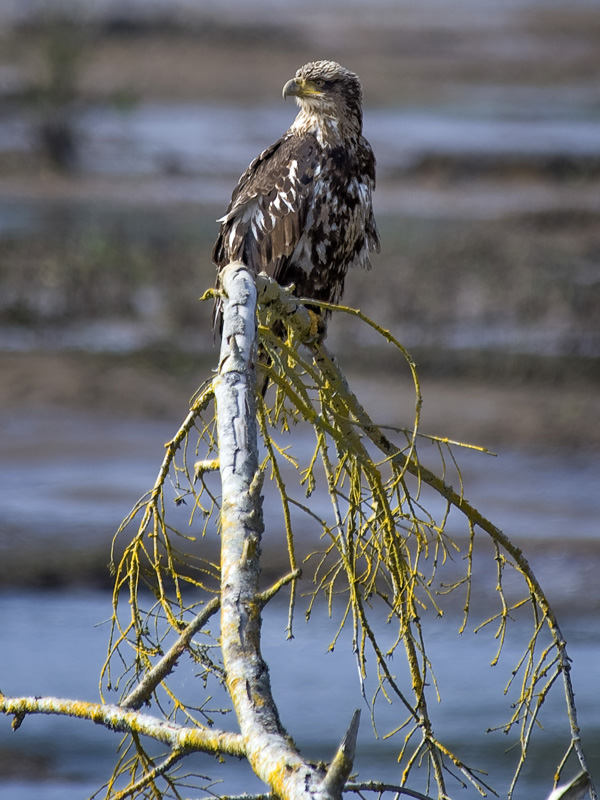
© Aziel Epilepsia VIEW PHOTO GALLERY
Facilities and Activities:
| Day-Use | Fishing | yes | | | Hiking Trail, miles | yes |
National Park Location Maps:
 (click here to zoom and navigate local map)
 (click here to zoom and navigate regional map)
View TOPO Maps!
Get directions to this park:
National Park Photo Gallery:
volunteer positions open
© Aziel Epilepsia VIEW PHOTO GALLERY
Nearby Parks: Nisqually State Wildlife Recreation Area Tolmie Underwater State Park Tolmie State Park Penrose Point State Park Cutts Island State Park Kopachuck State Park Squaxin Island State Park Rigney State Park Stretch Point State Park Millersylvania State Park Jarrell Cove State Park Dash Point State Park
|
| National Park Contact Information: |
 |
Nisqually National Wildlife Refuge 100 Brown Farm Road Olympia, Washington 98516
|
|
| Adopt-A-Park Contacts: |
 |
Photography: add your photos
|
|
| National Park Overview: |
 | Nisqually National Wildlife Refuge, on the Nisqually River Delta in southern Puget Sound, was established in 1974 for the protection of migratory birds. Three thousand acres of salt and freshwater marshes, grasslands, riparian, and mixed forest habitats provide resting and nesting areas for migratory waterfowl, songbirds, raptors, and wading birds.
Nisqually National Wildlife Refuge is one of over 544 National Wildlife Refuges in the United States. Managed by the United States Fish and Wildlife Service in the Department of the Interior, the National Wildlife Refuges encompass over 95 million acres of land for wildlife.
The mission of the Refuge System is to administer a national network of lands and waters for the conservation, management, and where appropriate, restoration of the fish, wildlife, and plant resources and their habitats within the United States for the benefit of present and future generations of Americans.
We invite you to explore the web site or experience firsthand the many programs and events that are designed to provide visitors with a memorable Refuge experience. Enjoy your visit! |
| Nature of the Area: |
| A Home for Wildlife : As surrounding wildlife habitat is lost to development, Nisqually National Wildlife Refuge has become an increasingly important place for wildlife, especially migratory birds. For some birds, Nisqually Refuge is a place to feed and rest before continuing on, while for others it is the end of their season's journey.
A Protected Estuary : The Nisqually River Delta, a biologically rich and diverse area at the southern end of Puget Sound, supports a variety of habitats. Here, the freshwater of the Nisqually River combines with the saltwater of Puget Sound to form an estuary rich in nutrients and detritus. These nutrients support a web of sea life - the benefits of which extend throughout Puget Sound and beyond. Together with McAllister and Red Salmon Creeks, the Nisqually River forms one of the largest remaining relatively undisturbed estuaries in Washington. Although most major estuaries in Washington have been filled, dredged, or developed, the estuary of the Nisqually River has been set aside especially for wildlife. Waterfowl, shorebirds, raptors, marsh and water birds...all are attracted to the mosaic of habitats found on the Nisqually Delta. A five-mile long dike currently separates saltwater habitats from freshwater habitats and creates a land of diversity for more than 300 species of birds, mammals, reptiles, amphibians, and fish. By walking the 5-1/2 mile Brown Farm Dike Trail visitors can view a variety of habitat types and the wildlife that live in them.
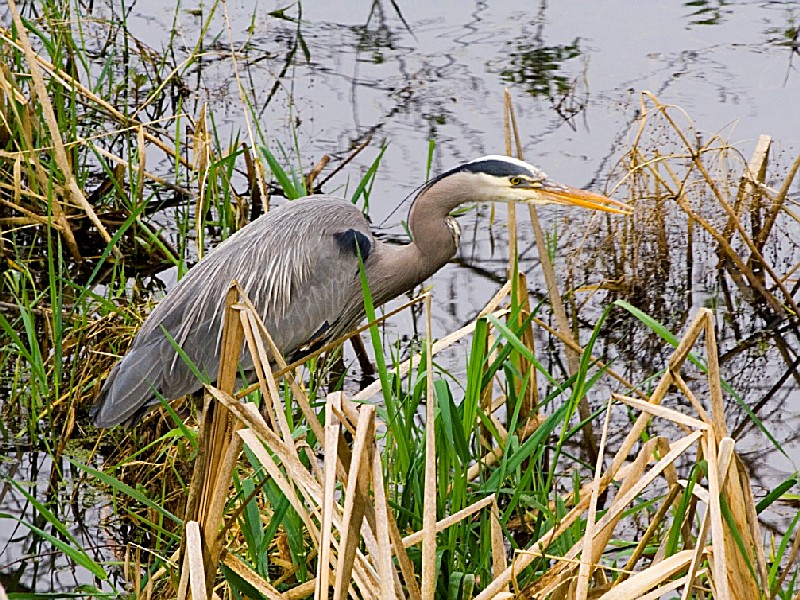
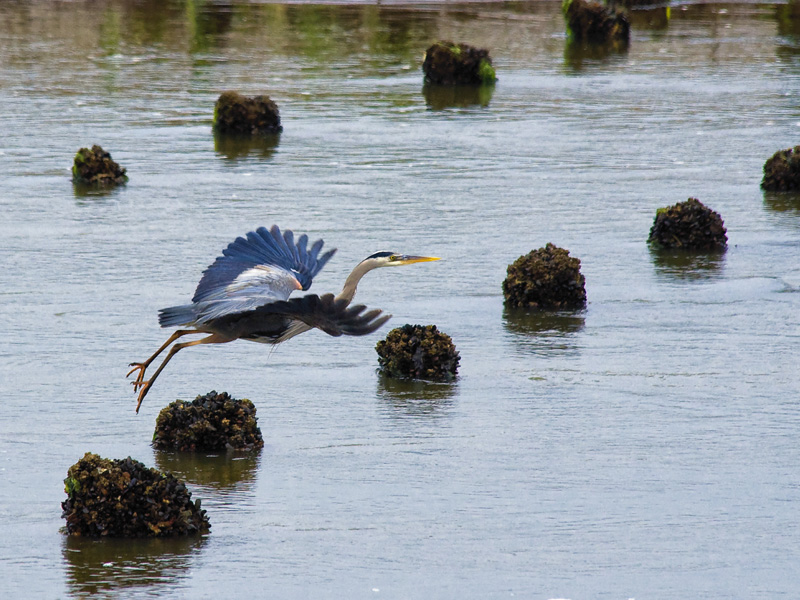
Saltmarsh and Open Mudflats : Outside the dike are saltmarshes and open mudflats washed by the changing tides of Puget Sound. The salty water brings rich nutrients to the variety of clams, crabs, worms, and shrimp living in the mud, while these creatures in turn feed shorebirds, gulls, ducks, and herons.
Freshwater Marsh and Open Grasslands : Inside the dike freshwater marshes and open grasslands provide a quiet resting and wintering area for up to 20,000 migratory waterfowl. The grasslands teem with mice and voles, which are a ready meal for hawks, owls, and coyotes. Thick cattails and sedges surround the freshwater marshes and give protection to marsh wrens, soras, bitterns, and salamanders.
Riparian Woodland and Brush Habitats : A walk on the Brown Farm Dike Trail also takes visitors through riparian woodland and brush habitats. Careful observers may see winter wrens, red-legged frogs, pileated woodpeckers, and even great horned owls among the large cottonwood, alder, and big leaf maple trees growing along the Nisqually River. Along McAllister Creek, crabapples, roses, and blackberries provide a smorgasbord for songbirds. Watch for evening grosbeaks, cedar waxwings, and finches.
Nisqually National Wildlife Refuge is open to the public daily from sunrise to sunset. The trails are open only for walking; pets are not allowed. Bring your binoculars, spotting scope, and camera, and enjoy your visit! |
| Reviews By Park Visitors: |
 |
|
The photo blinds were great
Well maintained and very relaxing. A good walk and appreciation of nature. Saw many of the listed birds.
Written by Carolyn Davidson
25-Sep-2008
| |
|
|
| Trails: |
| The Refuge has 7 miles of walking trails. The one-mile Twin Barns Loop Trail is a fully accessible boardwalk trail with access to the observation platform. The 5.5 mile Brown Farm Dike Trail provides views of many different habitats and access to the observation platform and photo blinds. Please stay on the trails. Seasonal closures of trails occur throughout the year.
The Refuge presents many wonderful opportunities for photographers. Two photo blinds, observation platforms, and trails provide countless possibilities to capture that perfect moment.
Brown Farm Dike Loop Trail (Seasonal) : This level 5 ? mile loop trail is on an earthen dike. The trail is wide with both gravel and dirt surfaces and can be muddy in some places. All the major types of habitat found at the Refuge can be seen from this trail.
To Observation Tower (Seasonal) : The observation tower is located 2 miles along the east side of the Brown Farm Dike Trail. The tower overlooks the salt marsh and mud flats and can accommodate about 8 people.
Ring Dike TrailThe Ring Dike is a ? mile trail located 1 mile along the east side of the Brown Farm Dike Trail. It offers views of a freshwater marsh.
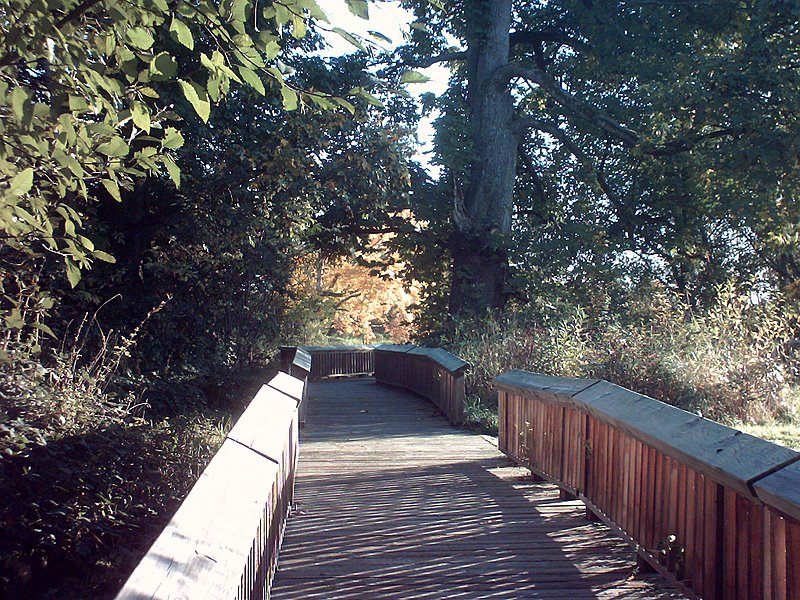
Twin Barns Loop Trail : This level 1 mile boardwalk passes through woodland, grasslands, and freshwater marshes to the Twin Barns and observation platform, ending back where it starts at the Visitor Center. There are two spur trails off this trail, the Riparian Forest Overlook and the Nisqually River Overlook.
To Riparian Forest Overlook : A short trail to an observation deck branches off the east side of the Twin Barns Loop Trail. It curves through a surge plain, where very high tide causes the Nisqually River to spill into wooded habitat.
To Nisqually River Overlook : A little under one-half of a mile around the east side of the Twin Barns Loop Trail, the boardwalk extends for another 150 yards to the river. Here there is an observation deck with a mounted spotting scope for wildlife viewing along the Nisqually River.
To McAllister Creek : To get to McAllister Creek, walk along the south side of the Brown Farm Dike Trail for ? mile. This section of trail passes through grasslands and freshwater marshes.
Seasonal Trail Closures : Three miles of the Brown Farm Dike Trail are closed during waterfowl hunting season. Typically the closure is from early October to late January, but specific dates vary from year to year. The trail is closed because waterfowl hunting is allowed on Washington State Department of Fish and Wildlife lands adjacent to the Refuge trail. It is not safe to walk in the area, and closing the trail provides an undisturbed area for birds to rest and feed. For more information, see the Seasonal Trail Closures map. |
 | |
| |
| Area Activities |
| Boating | |  | Gig Harbor Rent-A-Boat & Charters, LLC - Gig Harbor, WA Take command and be the Skipper! Rent one of our Larson powerboats by the hour or the entire day. Take in the scenery or zip around the sound in a speedboat, deck boat, or cruiser. If you don't have the need for speed rent one of our Kayaks,Canoes or Pedal Boats. You can enjoy the scenery at your pace. Whatever your desire may be here at Gig Harbor you will make memories that will last a lifetime.
Web Site: www.gigharborrentaboat.com |
|
|
|
| Boating: |
| Travelling the waters of the Nisqually River or McAllister Creek by boat is sure to reveal natural wonders that cannot be experienced on land by foot.
Boating is permitted in waters outside the Brown Farm Dike. Canoeists, kayakers, and small boaters should beware of hazardous tides, shallow waters, wind, and weather conditions around the Nisqually Delta. There is a boat speed restriction of 5mph in all Refuge waters.
The nearest public boat ramps are Luhr Beach located at the mouth of McAllister Creek, and Nisqually HNDCP located at river mile 3.7 on the Nisqually River south of I-5 at 6th Ave SE. Both of these sites require a Vehicle Use Permit issued by Washington Department of Fish and Wildlife. |
| Fishing and Hunting: |
| Fishing:
Fishing from boats is permitted in waters outside the Brown Farm Dike. Boat fishing for Chinook salmon is popular in the Nisqually Reach and Nisqually River from July through September. Boats can be launched at the nearby Luhr Beach boat ramp, maintained by the Washington Department of Fish and Wildlife. There is no bank fishing access along the Nisqually River.
Bank fishing is permitted only in the designated McAllister Creek Bank Fishing Area. McAllister Creek has small runs of chum, coho, and Chinook salmon in the fall.
Before fishing check with the Washington Department of Fish and Wildlife for updated fishing regulations.
Hunting:
Trail Closures : From October 15-19, 2005 and October 22, 2005 to January 29, 2006, three miles of the Brown Farm Dike Trail and part of the McAllister Bank Fishing Area are closed. These areas are adjacent to state lands where waterfowl hunting is allowed. The trail and bank fishing area are closed to provide an undisturbed area for birds to rest and feed and for safety of visitors. See the 2005 Trail Closures Map for details.
Open Trails : Four miles of refuge trails will remain open during the hunting season including the Twin Barns Loop Trail, the Ring Dike Trail, and 2 miles of the Brown Farm Dike Trail. Trail walkers should be aware that goose season is still occurring during this time and gun shots may be heard and hunters may be seen on the delta.
Where You Can HuntWaterfowl hunting is allowed on Washington State Department of Fish and Wildlife lands. See the Hunting Areas Map for details, or call Washington State Department of Fish and Wildlife for more information, (360) 902-2200.
Where You Can't HuntNisqually National Wildlife Refuge is not open to hunting. This includes the Brown Farm Dike, all areas within the Dike, the McAllister Creek Bank Fishing Area, and most of the area east of the Nisqually River. Watch for "No Hunting" or "Area Closed" signs. See the Hunting Areas Map for details.
How Do You Reach the Hunting Areas? : Access is by boat. The nearest boat launching ramp is at Luhr Beach.
Regulations : Shot must be U.S. Fish and Wildlife Service approved non-toxic shot. All Washington State hunting regulations are in effect.
Retrieving Birds : You may not enter closed areas to retrieve dead or crippled birds.
Before Leaving Home : Call the Washington State Department of Fish and Wildlife at (360) 902-2200 for complete information on hunting regulations. You may also visit their web site: WDFW - Hunting Information. |
 | |
| |
|  | Advertise your park related business on stateparks.com
...vacation cabin, weekend getaway, log cabin rental, romantic cottage, vacation home, resort, hotel, motel, bed and breakfast, country inn, campground, RV park, horseback riding stable, canoe livery, river rafting, outfitting, sporting goods store, guide service, RV rental, etc read more.... |
|
| Related Links: |
 | Nisqually National Wildlife Refuge - The Niqually NWR Page includes a variety of info about the Refuge including a map, directions ... NISQUALLY National Wildlife Refuge, on the Nisqually River Delta in Southern Puget Sound, was ... |  | Nisqually National Wildlife Refuge - Suite101.com - At the southern end of Puget Sound the Nisqually River exists along with Puget Sound to form an ... | Next Article > Nisqually National Wildlife Refuge SuiteUniversity Suite University invites you ... |  | Nisqually National Wildlife Refuge (photo) - Jump to. Weather | Traffic | Webtowns | Mariners | Seahawks | Sonics | Forums. NEWS. Local Neighborhoods Sports Nation/World Business A E Lifestyle. NW Outdoors Outside Take a Hike Gearing Up NW... |  | Getaways: Take a Hike - ... Meadows Squire Creek Pass Three Fingers Wallace Falls Thurston County Mima Mounds Nisqually National Wildlife Refuge Whatcom County Fragrance Lake Newhalem Creek Ross Dam Stetattle Creek Yellow ... |  | Also Nearby: Nisqually National Wildlife Refuge @ nationalgeographic.com - Waterfowl, marsh and wading birds, and raptors visit this river delta on Puget Sound. Among them are ... Park > Also Nearby Nisqually National Wildlife Refuge Olympia, Washington This Excursion ... |  | Bird Checklists of the United States - ... Base, Bangor -- Bangor, WA Naval Undersea Warfare Center (NUWC) - Keyport, WA Nisqually National Wildlife Refuge -- Olympia, WA (Printed 1988) Grays Harbor National Wildlife Refuge -- WA San Juan ... |  | Nisqually River Council - protection of the aquatic and wildlife habitats, waters, and wetlands of Nisqually River basin. ... to its delta at the Nisqually National Wildlife Refuge, the Nisqually is a direct link between the ... |  | Puget View Guesthouse - Olympia, Washington - Bed & Breakfast Inns ONLINE - Travel * L - Puget View Guesthouse is a secluded cottage on the shore of Puget Sound. Since 1984, guests have ... to Seattle Airport. Ten minutes to Nisqually National Wildlife Refuge. Five minutes off I-5. The ... |
| Nature Programs: |
| Thank You for your interest in a field trip to Nisqually National Wildlife Refuge! Each year approximately 5,000 students, teachers, and group leaders visit Nisqually NWR.
The Refuge is a popular place and reservations for school groups are required. Call the Refuge office at (360) 753-9467 for a copy of the reservation form.
Teacher Resources : We recommend that teachers visit the Refuge and walk the trails prior to their field trip as well as have clearly defined goals and objectives. The Refuge also offers many resources to assist in planning and making the most of your field trip.
NEW! The Second Edition of the Educator's Guide to Nisqually National Wildlife Refuge. "Where the River Meets the Sound," is the final version of the educator's guide that offers complete field trip planning, preparation, and activities for the classroom and field trip.
Lesson Planning Assistance : The Refuge Environmental Education Coordinator is available to meet with teachers and group leaders to help plan field trips. This staff member can recommend activities and places to go on the refuge that will help you achieve your learning objectives.
Teacher Workshops : The first Nisqually NWR teacher workshop was held in April 2002 with Educator's Guides given to participants and clock hours available. Given the success of this training, we will hold workshops at least twice a year.
Program Offerings : Teachers are responsible for planning and leading their field trip activities. The volunteer or staff guides will assist you with the following program elements:
Orientation Talks by Refuge Volunteers : Refuge volunteers are available upon request to give a brief (15-20 minutes) orientation program to groups with reservations.
Making Reservations : Advanced reservations are required for all school groups visiting Nisqually National Wildlife Refuge. Nisqually NWR is a popular place with limited facilities. With reservations we can schedule classes so they do not use Refuge facilities at the same time, coordinate with volunteers, and provide better interpretive and educational programs.
* To make a reservation, contact the Environmental Education Coordinator, Kayla Matthies at (360) 753-9467 or kayla_matthies@fws.gov.
* Reservations are processed on a first come, first served basis from the day the application forms are received at the Refuge office.
* If you have requested a service provided by Refuge staff and volunteers, allow at least two weeks for your application to be processed.
* Once the application has been processed you will receive written notification confirming dates and times for your group's visit. Please bring this confirmation form with you when you visit the Refuge.
The number of groups may vary, however, the number of total students is limited to 100 students on any given day. This may be five groups of 20 students or two groups of 50. This number is in addition to the public visitors who do not have reservations.
What About the Entrance Fee?Education groups must meet the following criteria in order for the fee to be waived:
* The education activity of the group should be formally structured with an approved course of study which focuses on the natural environment.
* The students are involved in a hands-on field activity on Refuge lands.
Groups that qualify as "education" groups will have "exempt" stamped on their confirmation notice. |
| Directions: |
| Nisqually National Wildlife Refuge is located 8 miles northeast of Olympia, Washington.
From Interstate 5 southbound, take exit 114. Make a right at the traffic light, go under the freeway and make a right into the Refuge. Follow the entrance road to the two public parking lots.
From Interstate 5 northbound, take exit 114. Make a left at the stop sign, go under the highway and make a right into the Refuge. Follow the entrance road to the two public parking lots. |
 |
| |
| |
|