NAUVOO STATE PARK
Its first name was Quashquema, a Fox Indian word meaning "peaceful place." Its current name is Nauvoo, a Hebrew word for "beautiful place" or "pleasant land." This historic town is the backdrop for Nauvoo State Park, on the banks of the Mississippi River in western Illinois' Hancock County.
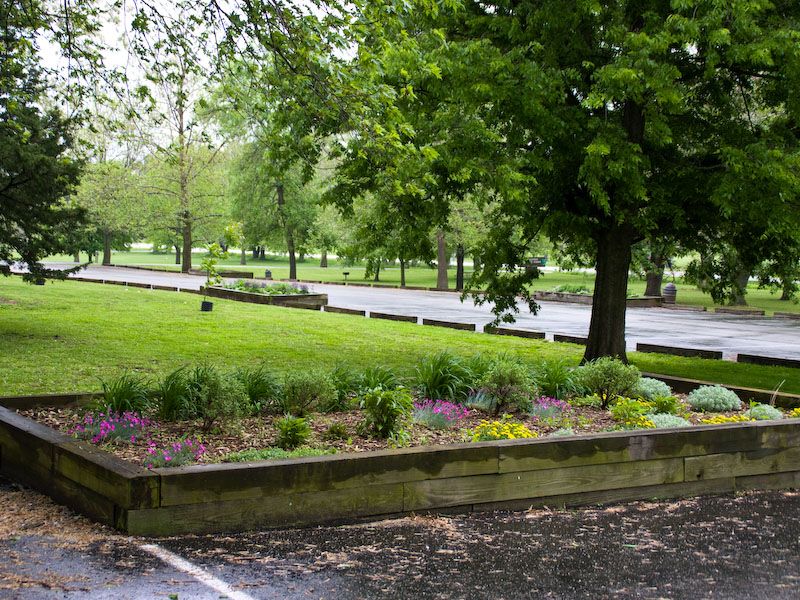
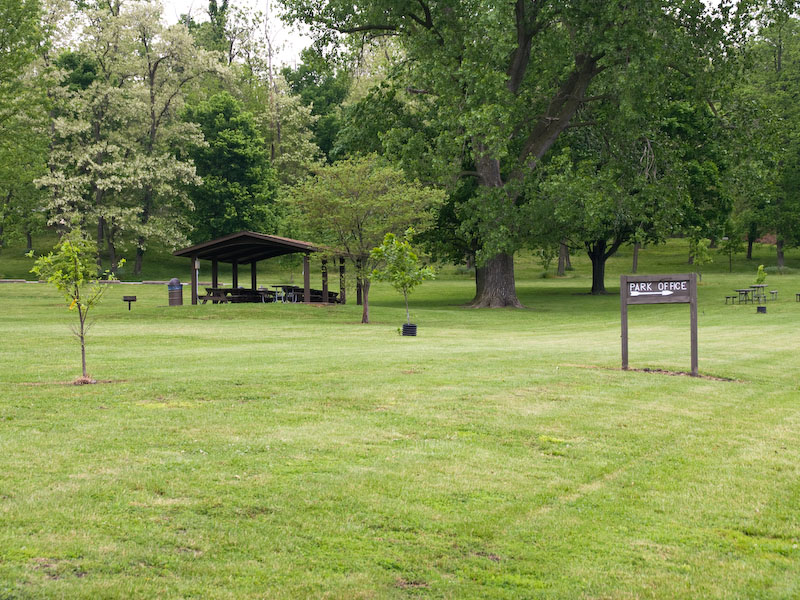
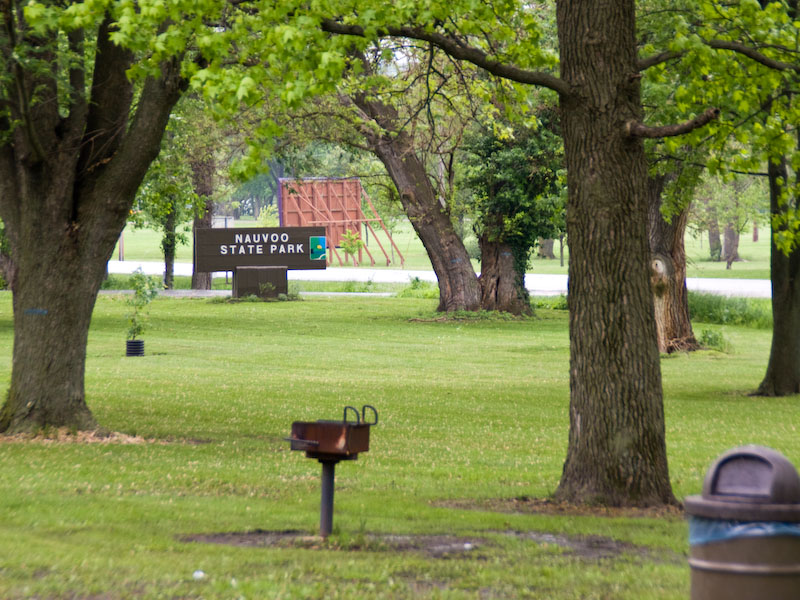
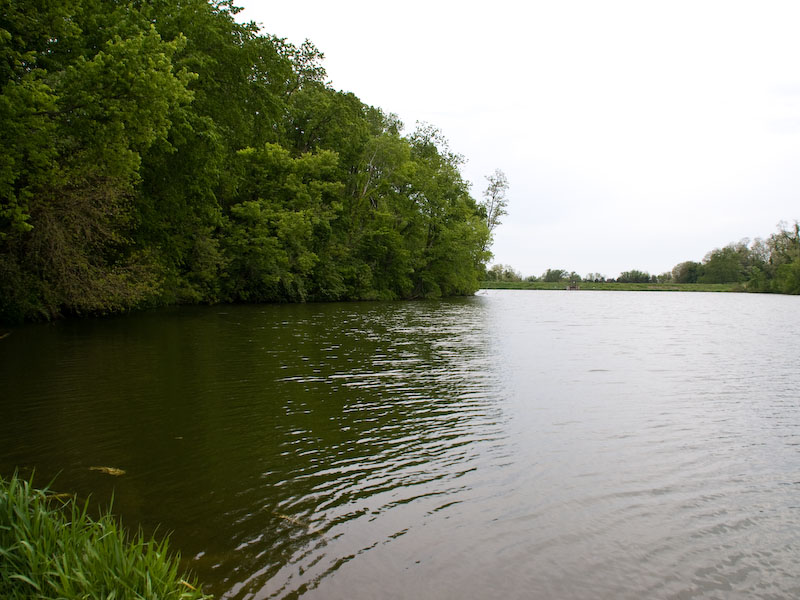
The 148-acre park, on the south edge of Nauvoo along Illinois Route 96, includes a 13-acre lake with a mile-long shoreline. In addition to fishing, boating, camping and hiking, people return to these serene surroundings for the park's recreational features, its annual grape festival, and to soak up the area's history.
A 4-acre plot of land adjacent to the site superintendent's residence has been converted into a natural area. Four kinds of prairie grasses and approximately 10 kinds of prairie flowers are grown here. If you're visiting here in the spring, you may find the area burnt to a crisp -- that's because the grasses must be burned periodically to help the prairie renew itself.
Deer, skunk, opossum and raccoon are among the animals that call Nauvoo State Park home. Cardinals and gold finches find this spot on the Mississippi a perfect place to nest, as do geese and ducks. The welcome mat is especially out for wood ducks, who will nest just about anywhere. Look for their boxes 15 to 20 feet up in the trees around Lake Horton and in the posted and protected area across from the park's extreme south edge.
Once a Fox Indian village of 400 to 500 lodges, the site of Nauvoo was relinquished by a treaty in 1824 for 200 sacks of corn. Sixty years later, Hancock County's first post office was established here under the name of Venus. By 1834, the name had changed again, to Commerce, and later Commerce City, by some eastern land speculators.
Members of the Church of Jesus Christ of Latter-day Saints (LDS), known as Mormons, settled here in 1839 in hopes of escaping religious persecution. After changing the name to Nauvoo, they incorporated the town and received a special charter from the Illinois Legislature.
Missionaries such as Brigham Young converted thousands in England and elsewhere, causing people to migrate to the area. The town grew as business and industry flourished. By 1844, its population surpassed Chicago's and Nauvoo became Illinois' largest city.
With the boom came an increase in criminal activity. Sentiment toward the Mormons was not favorable during this period, since many people blamed them for the lawlessness. Ironically, lawlessness figured prominently in 1844 when LDS Founder Joseph Smith was shot and killed in the Hancock County jail in Carthage while he was supposed to be under protective custody.
The religious differences that caused the Mormons to settle in Nauvoo also caused them to leave. In 1846, they were driven from Illinois and, under Brigham Young, the majority left for Utah. Others migrated to Texas and Michigan. A few, including the family of Joseph Smith, remained in Nauvoo and formed the Reorganized Church of Jesus Christ of Latter-day Saints (RLDS).
Day-UseFishingyes
Swimming Beachyes
CampingElectric Sitesyes
Water/Electric Sitesyes
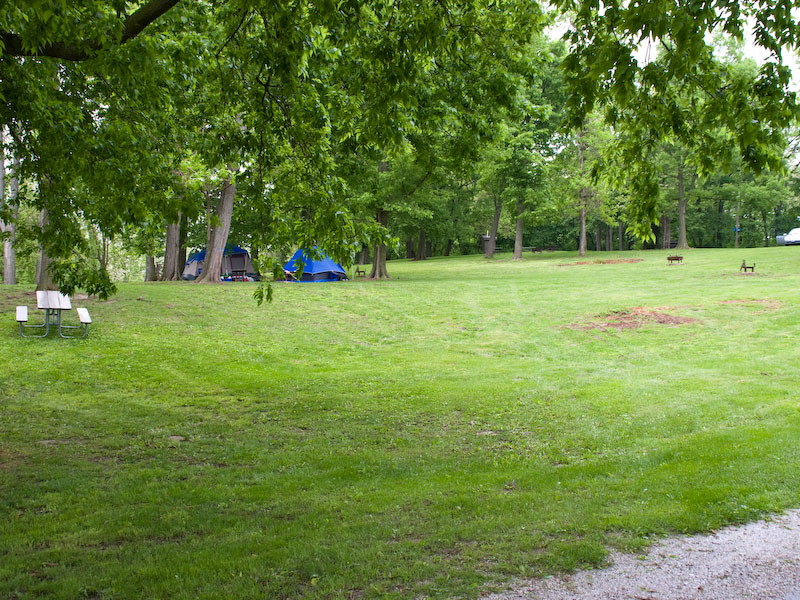
Nauvoo State Park offers 150 camping spaces, equally divided between Class A and Class B areas. A youth group area is centrally located in the park. Don't forget to ask for permission -- all campers must obtain a permit for overnight camping from the park office, and any group of 25 or more must get advance permission before entering the park.
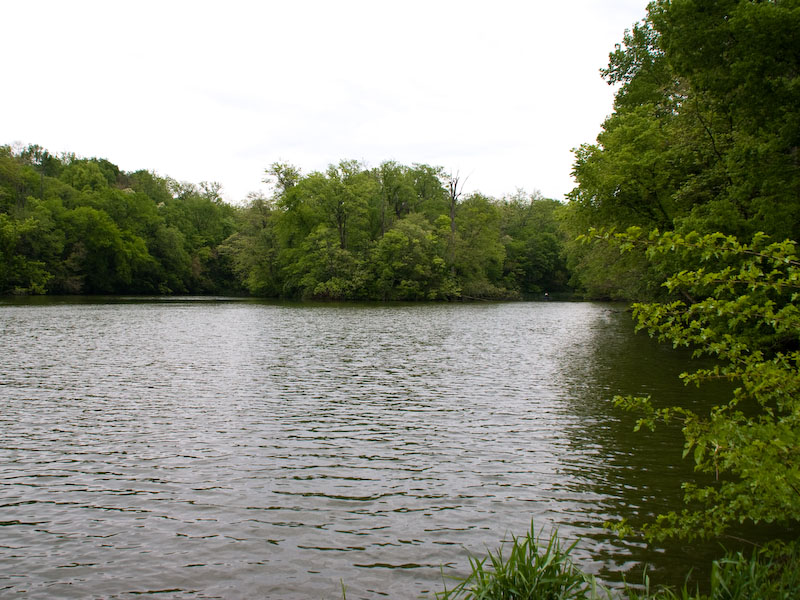
Lake Horton, a 13-acre manmade fishing lake, is stocked for anglers wanting to catch largemouth bass, channel catfish and bluegill.
Nauvoo State Park is located near Fort Madison, Keokuk
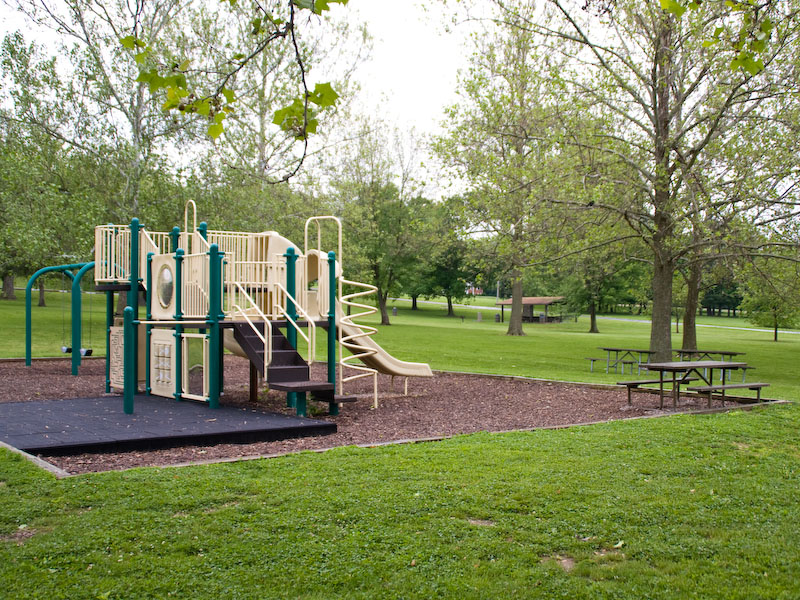
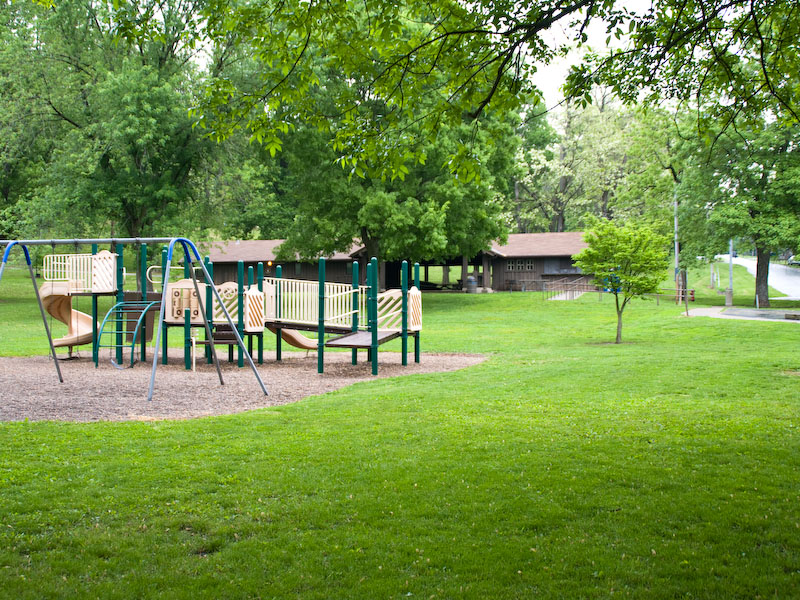
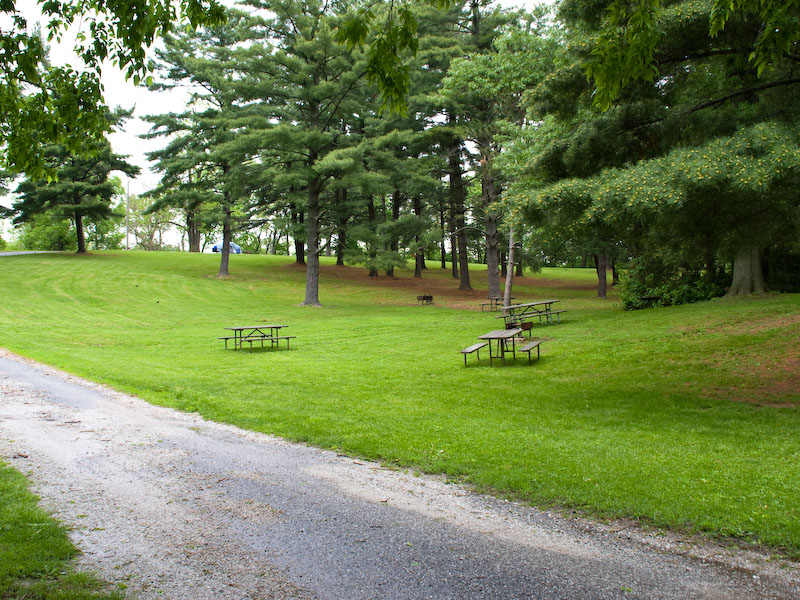
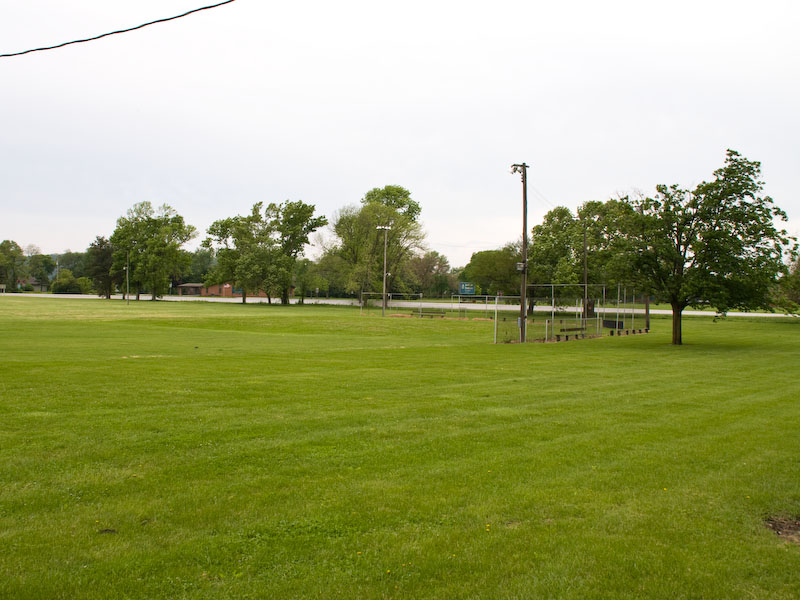
If picnicking is in your plans while visiting Nauvoo State Park, you're in luck. The park features two picnic and playground areas totaling 20 acres. In addition to playground equipment for kids, you'll find tables, stoves and two shelter houses, one equipped with modern toilet facilities. A ball diamond and two parking lots round out the list of amenities.
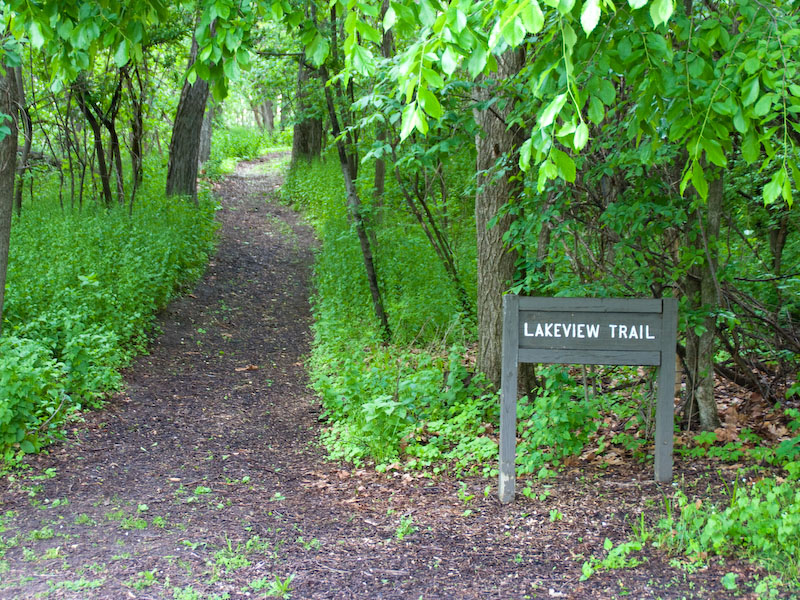
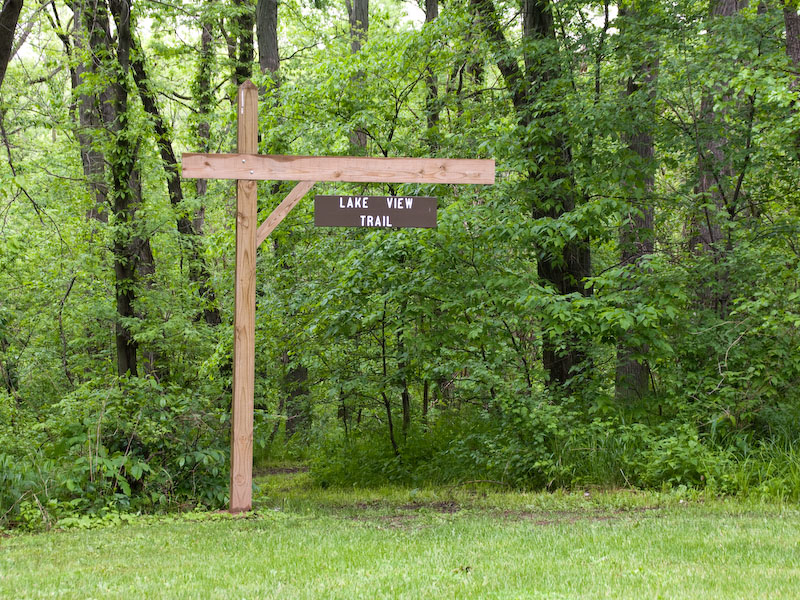
The park's main trail, Locust Lane at 1.5 miles, shows off some of the park's best features. As the trail winds around the lake and through timbered areas, hikers can see and hear a variety of birds. There's also a three-eighths-mile loop from the camping area that's accessible to senior citizens and to those in wheelchairs. A short trail connects the main picnic and playground area to the dam, and there's also a short, one-way jaunt to Gilligan's Island on Lake Horton.
The park offers diverse birding opportunities with over 150 species recorded. Birdwatchers can spot waterfowl, songbirds and raptors.
The Mormon Temple
Joseph Smith began building a temple in the early 1840s. It was four stories high, measured 128 by 88 feet, and featured an 82-foot octagonal tower. Church Elder William Weeks served as architect and directed the work of dozens of skilled craftsmen. Although incomplete, services were first held in the temple in 1844. Because of Smith's assassination that same year, the temple was never finished. Despite this fact, it was said to have been the finest building in the west at the time, with the cost of materials estimated to have been $1 million.
An arsonist set fire to the temple in 1848. Three years later, it was completely destroyed by a tornado. Stone from the temple has been incorporated into other Nauvoo buildings, but one original architectural feature can be seen in Nauvoo. A decorative cap to one of the temple's pilasters is displayed inside a covered cage to protect it from direct sunlight and rain. Called a "sunstone" because it depicts a sun with a radiant face, the two-piece, 2.5-ton limestone carving was one of 30 such stones that adorned the columns. The pilasters also featured the same number of "moonstones" and "starstones," and some of these are still in existence. However, the sunstone displayed at Nauvoo is one of only two known to exist. It is owned by the State, on loan to the LDS Church, and displayed at the original temple site. The other was acquired by the Smithsonian Institution in 1989.
Today both the LDS and RLDS churches have visitor centers plus restored homes and shops adjacent to the park that are open throughout the year.
Icarians
Nauvoo went from being the state's largest city in 1844 to becoming all but a ghost town in the three years following the Mormon exodus. In 1849 a small group of French and German immigrants to the United States heard of the vacant city and decided to settle in Nauvoo. Their leader was a French political figure, Etienne Cabet, who wrote several books including the story of a utopian community, A Voyage into Icaria. The book gave members of this communistic colony the name "Icarians."
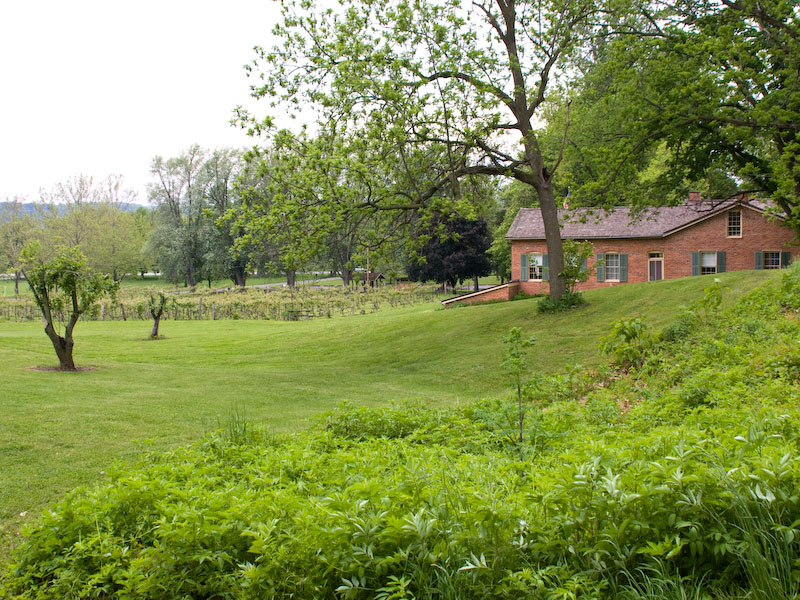
The colony broke up a few years later when the group found its communal way of life unworkable. Before the Icarians split up, however, they introduced grape growing and wine making to the area. While most of the local vineyards have disappeared, the first vineyard planted in Nauvoo still exists on park property and is maintained by park personnel. Many of the former wine cellars are now vacant, although one is used in the manufacture of Nauvoo's Roquefort-type blue cheese, which has received international awards.
Museum
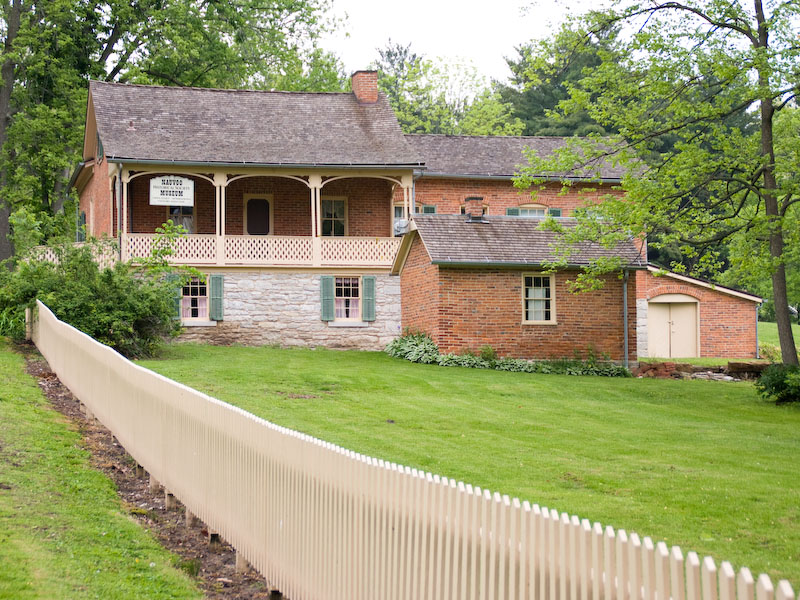
A house built by Mormons in the 1840s, remodeled by Icarians, and later owned by the Rheinberger family serves as the Nauvoo State Park Museum. The restored home features a wine cellar and a press room, and has the only Nauvoo wine cellar open to the public. This also is the location of Nauvoo's first vineyard, which has been producing grapes since the mid-1800s. The museum itself exhibits artifacts from all periods of Nauvoo's history, from Native American occupation to the introduction of Nauvoo Blue Cheese in the 1930s. The museum is staffed by the Nauvoo Historical Society and is open 1-5 afternoons from May 1 through October 15.
Grape Bowl, Sod Stage and South Areas
The Nauvoo Grape Festival, held annually over Labor Day weekend in the Grape Bowl and Sod Stage area directly west of Lake Horton, coincides with the ripening of the grapes. The festival includes an hour-long program depicting Nauvoo's history. A pageant, which for more than 50 years has paid tribute to two Nauvoo industries, observes an old French rite called "The Wedding of the Wine and Cheese." The festival's carnivals, entertainment tents, arts and crafts exhibits, flea markets, buckskinners, and car shows are held at the South Area, just south of the ball diamond.
From Chicago area take I80 west to I74. Take I74 south to Rte 34. Take Rte 34 West to Rte 67. Take Rte 67 South to Rte 136. Take Rte 136 west to Rte 96. Take Rte 96 north 12 miles to Nauvoo State Park.
From Springfield take Rte 97 west and north to Rte 136. Take Rte 136 west to Rte 96. Take Rte 96 north 12 miles to Nauvoo State Park.
From the East St. Louis, Alton area take Rte 67 north to Rte 136. Take Rte 136 west to Rte 96. Take Rte 96 north 12 miles to Nauvoo State Park.








 Share Your Nauvoo State Park Photos (click here)