LITTLE PEND OREILLE NATIONAL WILDLIFE REFUGE
LITTLE PEND OREILLE NATIONAL WILDLIFE REFUGE
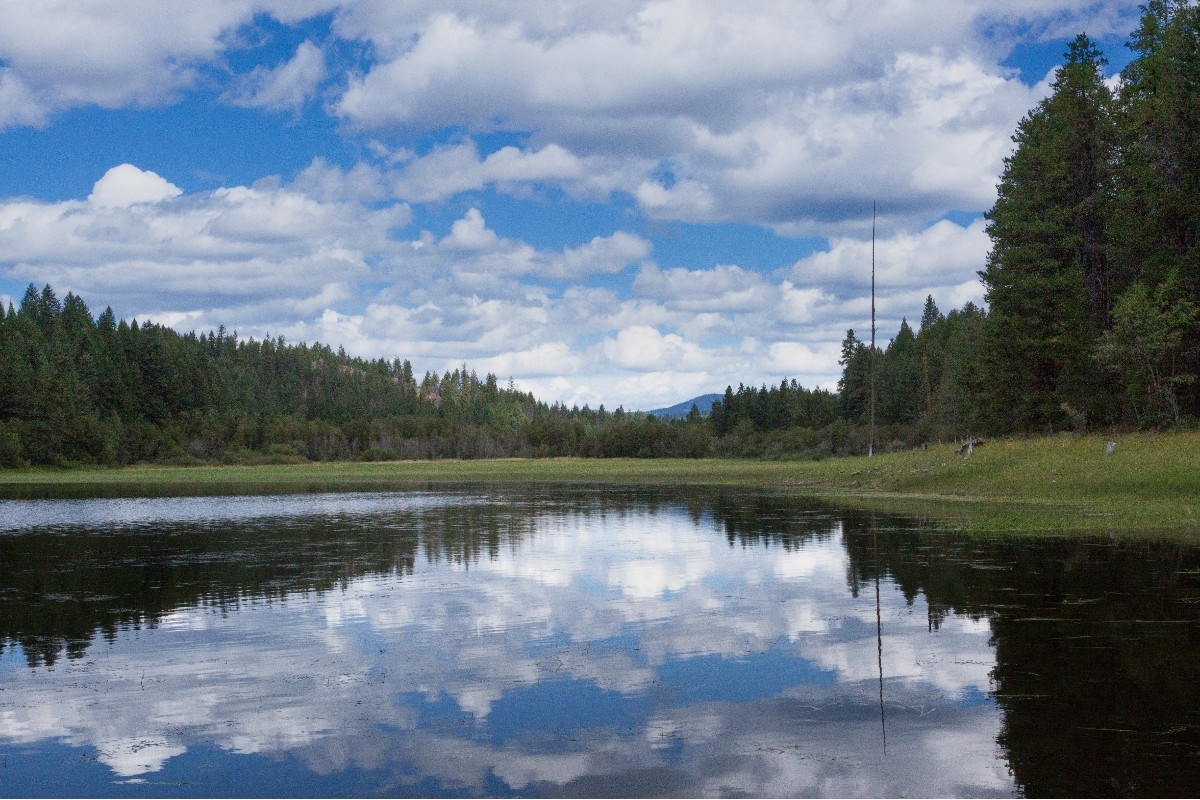
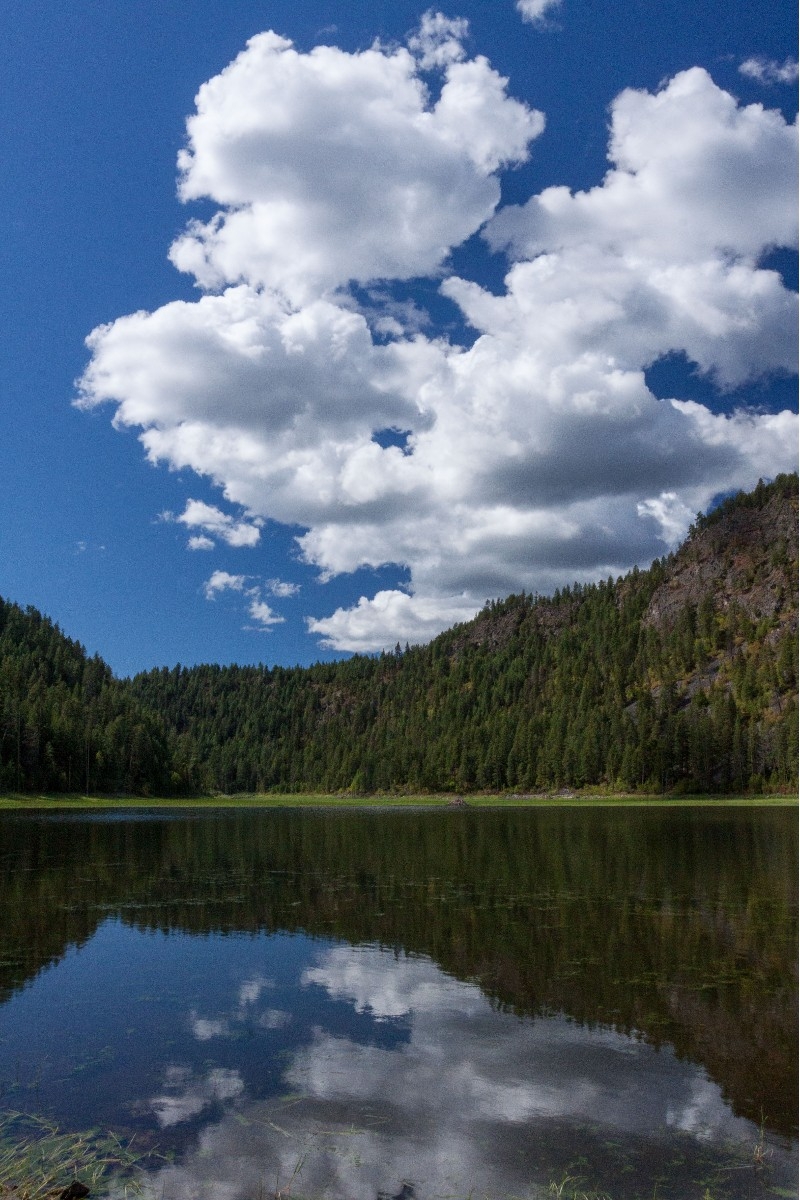
The Little Pend Oreille National Wildlife Refuge is located in northeast Washington, 13 miles southeast of Colville in Stevens County. Located on the west slope of the Selkirk Mountain Range, it is the only mountainous, mixed-conifer forest refuge in the contiguous United States. Our 40,198 acres range in elevation from 1800 feet on the western lowlands to 5600 feet on the eastern boundary at Olson Peak. The Refuge was established in 1939 as a refuge and breeding ground for migratory birds and other wildlife. Most of the land was acquired through the Resettlement Administration which retired marginal farmland. Other land was purchased from willing settlers or acquired through exchange with the Washington Department of Natural Resources. Little Pend Oreille NWR is one of over 530 refuges in the United states managed by the U.S. Fish and Wildlife Service.
Refuge Headquarters at 1310 Bear Creek Road, is open Monday through Friday from 7:30 a.m. to 4:00 p.m.
Wildlife:
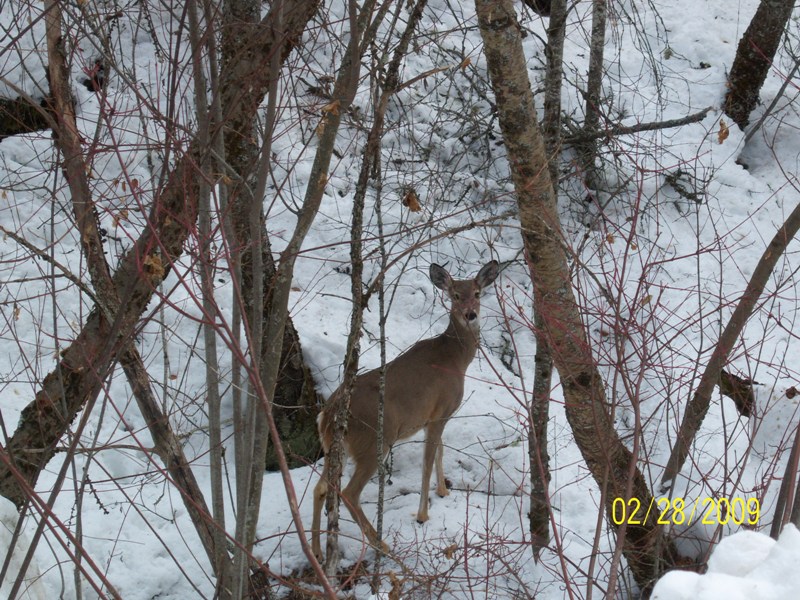
Little Pend Oreille National Wildlife provides important habitat for almost 200 species of birds, 58 mammal, 8 reptile, and 6 amphibian species. It is an important area for birds, particularly migratory songbirds. It provides habitat for the threatened Canada lynx and other forest carnivores, and critical winter range for white-tailed deer. During winter, deer migrate from the north, east, and south to the west side of the Refuge where the snow is not as deep as at higher elevations. Bald eagles winter along the Little Pend Oreille River and have nested at Bayley Lake. Forest bird communities include a mixture of eastern and western species. Refuge lakes and marshes provide a spring and fall stopover point for migratory waterfowl. The Refuge, in combination with adjacent public lands, provides for species that require large tracts of forest habitat.
Wildlife Viewing Tips:
Wildlife viewing carries responsibilities. Observe from a safe distance and use binoculars. Move slowly and casually and not directly toward wildlife. The Refuge is home to several species of large mammals (black bear, cougar, moose) who may feel threatened by human presence. Be alert and aware of your surroundings. We are the guests. Be prepared for varied weather and terrain. Do not venture off roads without good maps and a compass. Slow down-wildlife viewing requires patience and quiet. Best viewing is typically dawn and dusk, especially during summer months.
Refuge Wildlife Through the Seasons:
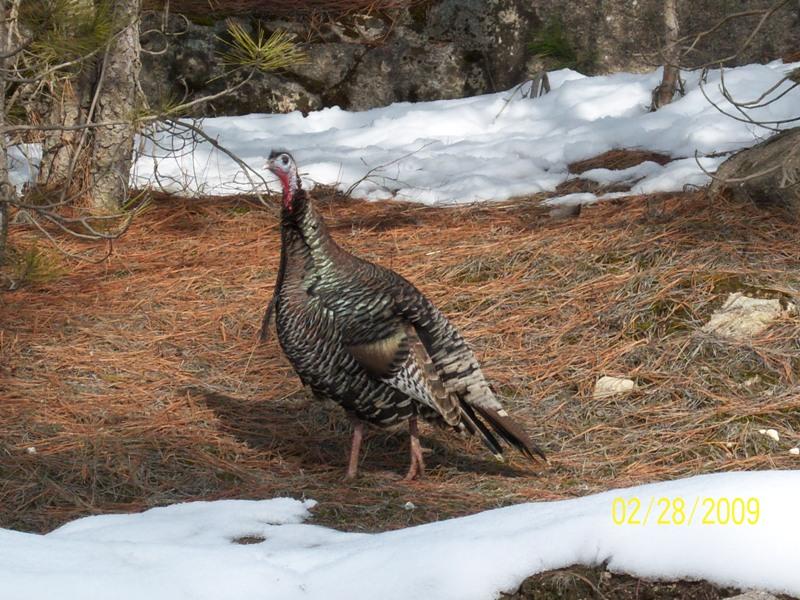
In Winter: bald eagle, coyote, finches, great horned owl, northern shrike, white-tailed deer, wild turkey, woodpeckers
In Spring: beaver, black bear, bluebirds, chipmunks, magpies, moose, snipe, warblers, waterfowl
In Summer: coyote, hummingbird, osprey, painted turtle, red-tailed hawk, swallows, wild turkey
In Fall: crossbill, grouse, kinglets, waterfowl, white-tailed deer
Easy to see WildlifeCommon goldeneye, coyote, great blue heron, osprey, painted turtle, red-necked grebe, red-tailed hawk, ruffed grouse, spotted frog, white-tailed deer, wild turkey, yellow warbler
Hard to see Wildlife:
Black bear, bobcat, cougar, elk, great gray owl, mink, moose, white-headed woodpecker
Camping : Our campgrounds are now open on a first come first serve basis. Camping is allowed only in campgrounds at sites with metal fire rings from April 14 through Dec 31. When Refuge camps are full, you will find many camping areas on adjacent U.S. Forest Service and Washington Department of Natural Resources lands.
Dispersed Hunt Camp Sites : Camping is allowed in designated dispersed sites for hunters from October 1 through December 31. Each designated site is identified with a brown Carsonite post. See map available at kiosks for locations of both campgrounds (triangles) and designated dispersed sites (dots).No potable water is available on the Refuge.
Camping Limit : April 14 through September 30 - 7 day camping limitOctober 1 through Dec 31 - 14 day camping limit
Additional Regulations : All visitors must follow Industrial Fire Precaution Levels posted at the Headquarters kiosk.
In sites without pit toilets, bury all solid human waste in a hole 6-8 inches deep, at least 300' from water.
Use only downed trees for firewood.
Remove all garbage, horse manure, straw and hay.
Do not feed wild animals.
Do not leave food outside overnight.
Target shooting is prohibited.
Dogs must be leashed.
Camping with horses is allowed only in Horse Camp and Bear Creek Camp.
ATV/ORV use is prohibited.
Nearby communities are Arden and Colville, Washington. Both are approximately 13 miles from Refuge Headquarters. Arden has a convenience store and gas station. Colville, a city of 5,000, has full shopping and services available. Contact the Colville Chamber of Commerce at 509/684-5973 for more information.




 The LPONWR is one of those hidden little areas that hold really nice sized White tails, IF you know where to go. The fishing is also excellent, the only bad deal I have about it is that you have to camp in designated areas, for so many years you could set up camp anywhere, it only takes a few people to ruin it for the rest.
 Nice area to hunt no bucks very little does had a good time with my nephew,wish we took a buck but thats hunting .We will come back when the deer are more here.


 Share Your Little Pend Oreille National Wildlife Refuge Photos (click here)