FORT ZACHARY TAYLOR HISTORIC STATE PARK
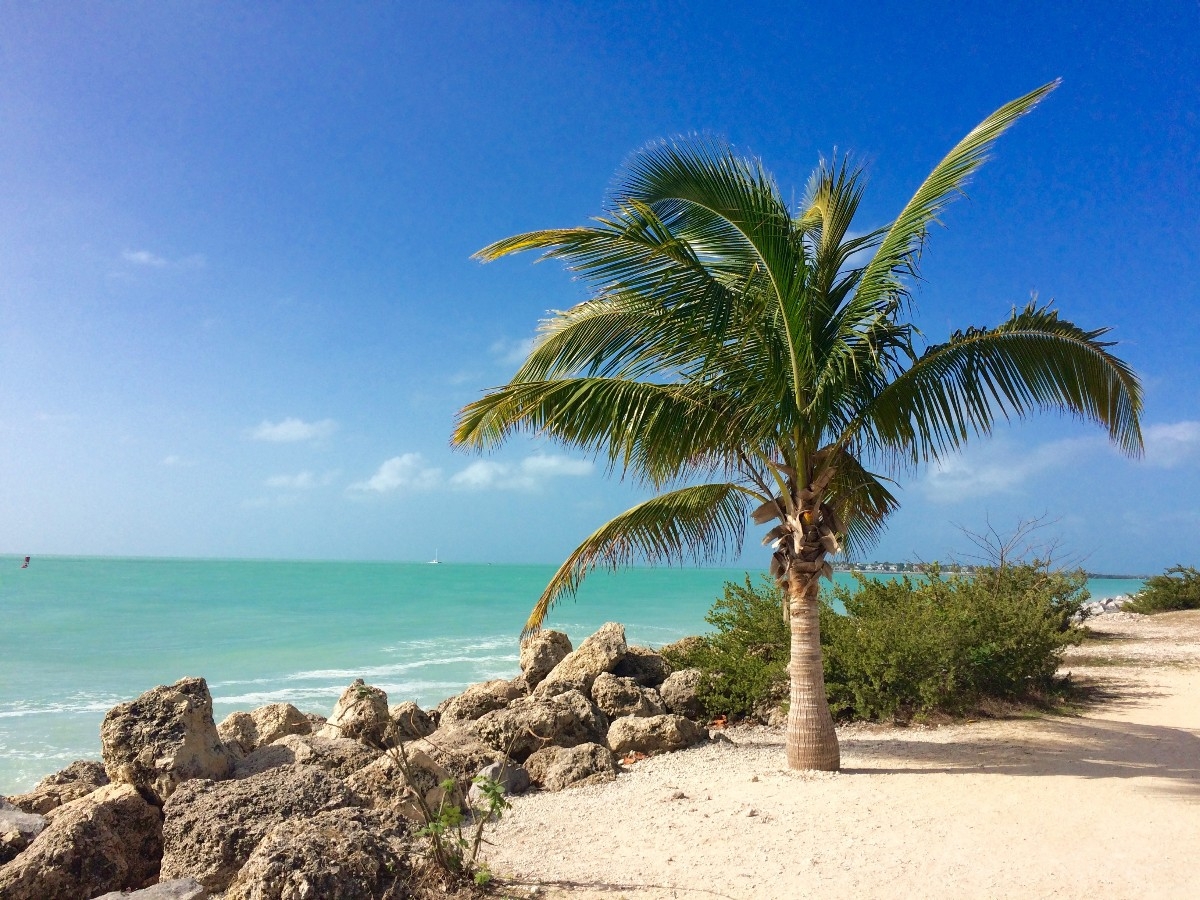
Designated a National Historic Landmark in 1973, Florida's southernmost state park is popular for recreation, as well as U.S. military history. The fort was one of a series built in the mid-1800s to defend the nation's southeastern coastline. Completed in 1866, Fort Zachary Taylor played important roles in the Civil War and Spanish-American War. A beautiful beach at the southern end of the park provides opportunities for picnicking, swimming, snorkeling, and fishing. Visitors can also enjoy a short nature trail and bicycling within the park. A refreshment stand at the beach offers snacks, cold beverages, beach sundries, and souvenirs. Guided tours of the fort are available daily. Located in Key West at the end of Southard Street on Truman Annex.
Throughout the park, visitors will find several interpretive exhibits, addressing various natural resource topics and park activities. Take a walk on one of our nature trails to learn more about native plants.
Construction of the fort began in 1845, shortly after Florida became a state. In 1850, the fort was named after U.S. President Zachary Taylor, who died in office earlier that year. Throughout the 1850s, construction on Fort Taylor was slow. Yellow fever, shortages of material and men, remoteness and hurricanes had slowed down progress.
When the Civil War broke out in 1861, Capt. John Brannan occupied the fort, placing it in Union hands. Key West was an important outpost for the Union because numerous blockade-running ships were detained at Key West harbor and guarded by Fort Taylor's cannons. The 10-inch Rodman and Columbiad cannons at the fort had a range of three miles. This was an impressive deterrent to the Confederate navy, preventing them from attempting to take the fort or the island of Key West.
Proving to be a severe loss for the South, Fort Taylor remained in Union hands throughout the Civil War. By the time the three-story fort was finally finished in 1866 (21 years after it was begun), there were many impressive features included. Items such as sanitary facilities flushed by the tide and a desalination plant which produced drinking water from the sea were available as early as 1861. A total of 140 guns and a large supply of ammunition were on hand to secure the fort.
In the years that followed, Fort Taylor was again used during the Spanish-American War. In 1898, in an effort to modernize the fort, the top levels were cut down to install newer weapons. Further remodeling also included the addition of Battery Osceola and Battery Adair on the inside of the fort.
With the coming of the 20th century, more sophisticated weapons and eventually radar and other devices took the place of guns. By 1947, the Army turned Fort Taylor over to the Navy to maintain.
Beginning in 1968, through the tireless efforts of volunteers, excavations for old armaments in the gun rooms uncovered a number of guns and ammunition from Civil War times. This represents only a fraction of the buried arsenal, which is the largest collection of Civil War cannons in the U.S. In recognition of this, Fort Taylor was placed on the National Register of Historic Places in 1971. Two years later, the fort was designated a National Historic Landmark.
The park's concession offers a variety of food and beverage as well as a gift shop. Umbrellas, beach chairs, and snorkel gear are available for rent. Enjoy the great view and pleasant setting of the concession deck as you enjoy your meal. The concession can also handle your wedding plans and group or family event. Be sure to visit their web site at FortZacharyTaylor.com
Nothing like swimming at Florida's southernmost state park. Water quality is excellent and conditions are usually favorable for a swim at Fort Taylor. Occasionally, there are marine creatures present that you need to be aware of. Just remember to always be careful, be aware of your surroundings, be safe and, most of all, have fun!
The beach at Fort Zachary Taylor has recently received new sand and will soon be receiving additional plantings to add to the tropical setting found at the fort. It is undisputed that the beach at Fort Taylor is the best in Key West. Other beaches in Key West and the Florida Keys are very shallow and can be somewhat stagnate. The beach at Fort Taylor has excellent water flow, depth, and clarity. Live corals, and numerous tropical fish, can be seen within the swimming area. Fort Taylor is ideally situated where the Gulf meets the Atlantic. Come enjoy paradise at the southernmost beach in the continental United States.
They don?t call it fishing for nothing! Try your luck at catching something along the entrance to the Key West Harbor. The main ship channel is approximately 33-feet deep and provides the angler with access to a variety of saltwater fish. If you just end up 'fishing,' you will at least have an extraordinary view and can watch the boats come and go as you enjoy your day. Fishing at the end of the day can be even more enjoyable, for the park boasts the best place to in Key West to view the sunset. Plus, you will see all the schooners and other tour boats stop just off-shore of the park to catch the sun dropping on the horizon.
This may be the best snorkel experience you ever have! Just off the beach you will see numerous fish and coral. Since water conditions dictate visibility, please call ahead and park staff will give you the daily conditions. Winds and waves can reduce visibility greatly. Conditions can improve overnight so watch the weather and call ahead.
The waters off Fort Taylor offer one of the best beach dives available in the Florida Keys. Moderate depths of up to 20 feet and excellent water quality provide an opportunity to view both hard and soft corals as well as numerous species of tropical fish. Don't be surprised if you see giant grouper, huge tarpon or schools of baitfish. Since the park is located right where the Gulf meets the Atlantic, you never know what you may see. It is definitely worth checking out.






 Share Your Fort Zachary Taylor Historic State Park Photos (click here)