Facilities and Activities:
| Day-Use | Fishing | yes | | | Hunting | yes | | | Hiking Trail, miles | yes |
National Park Location Maps:
 (click here to zoom and navigate local map)
 (click here to zoom and navigate regional map)
View TOPO Maps!
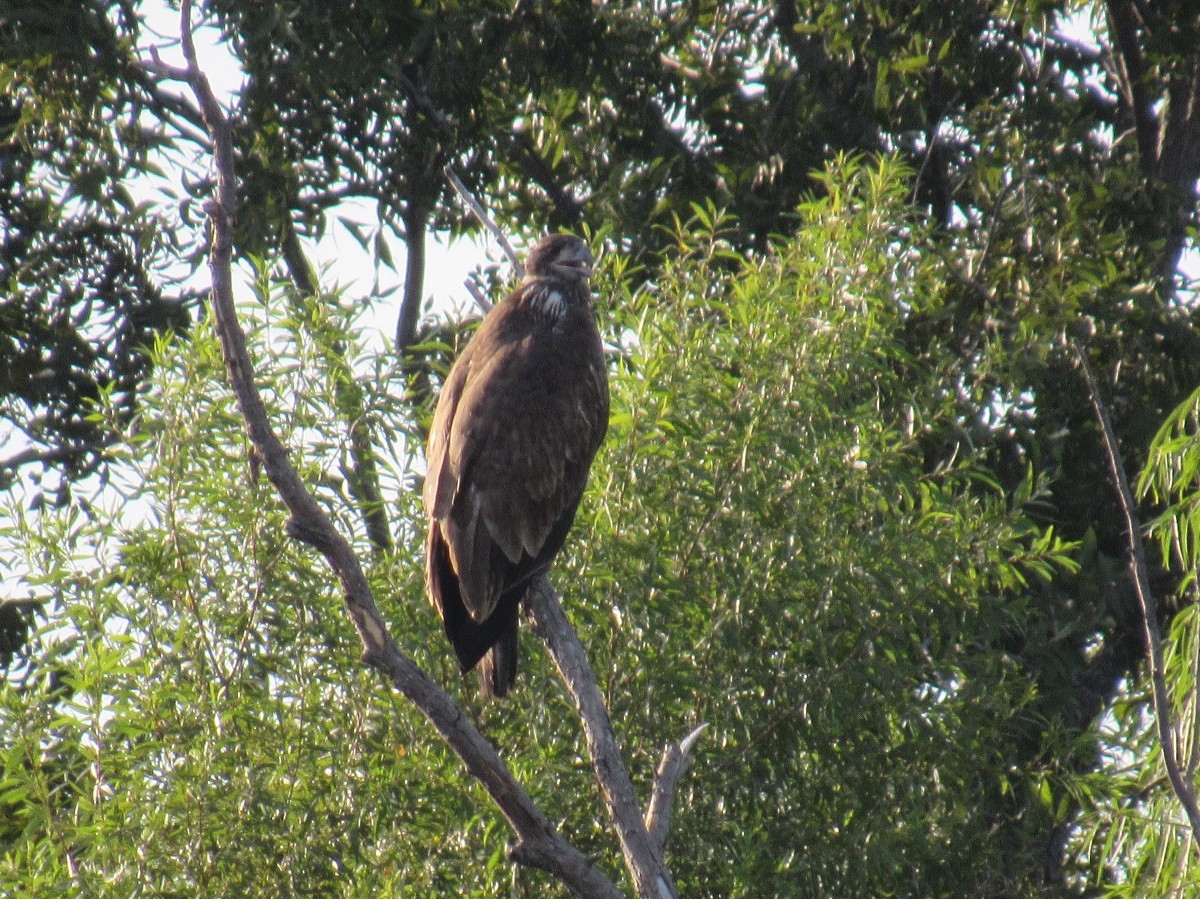
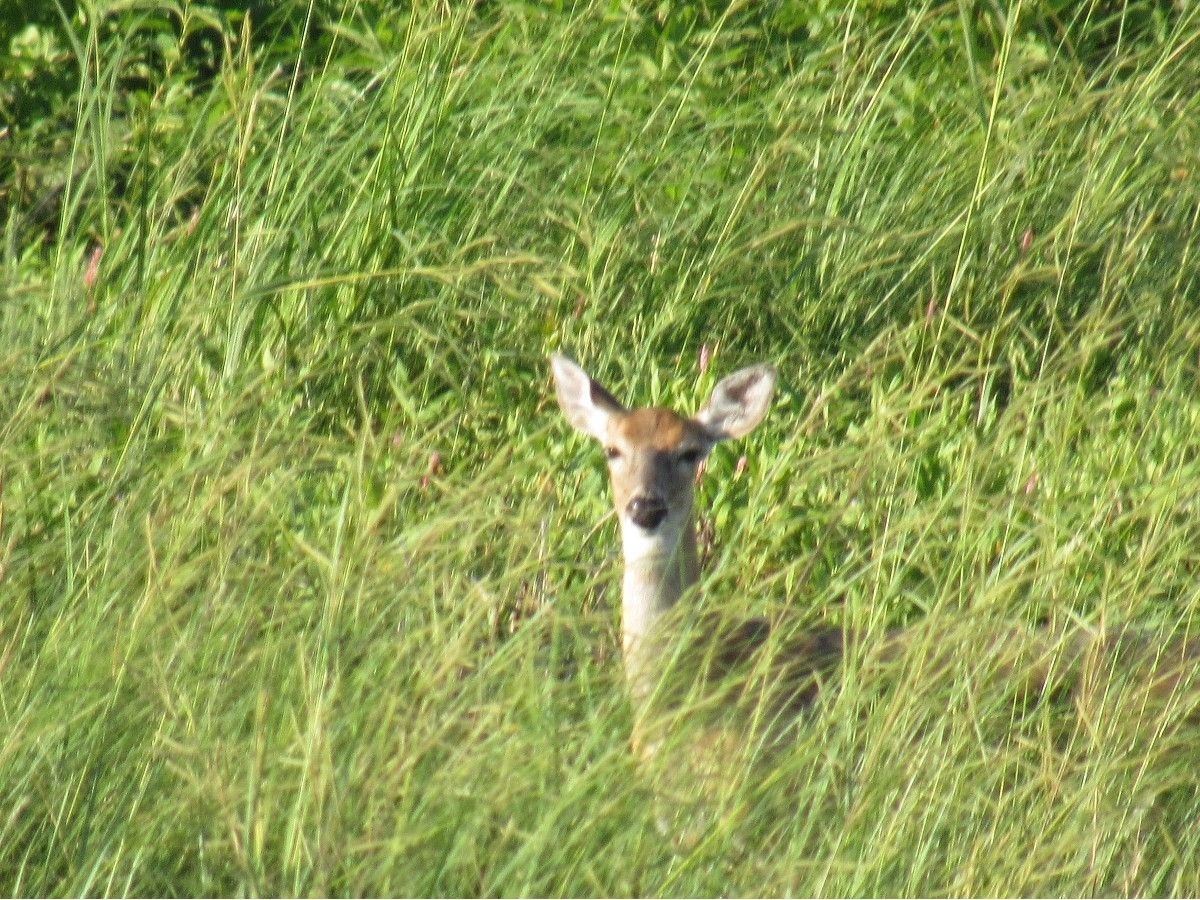
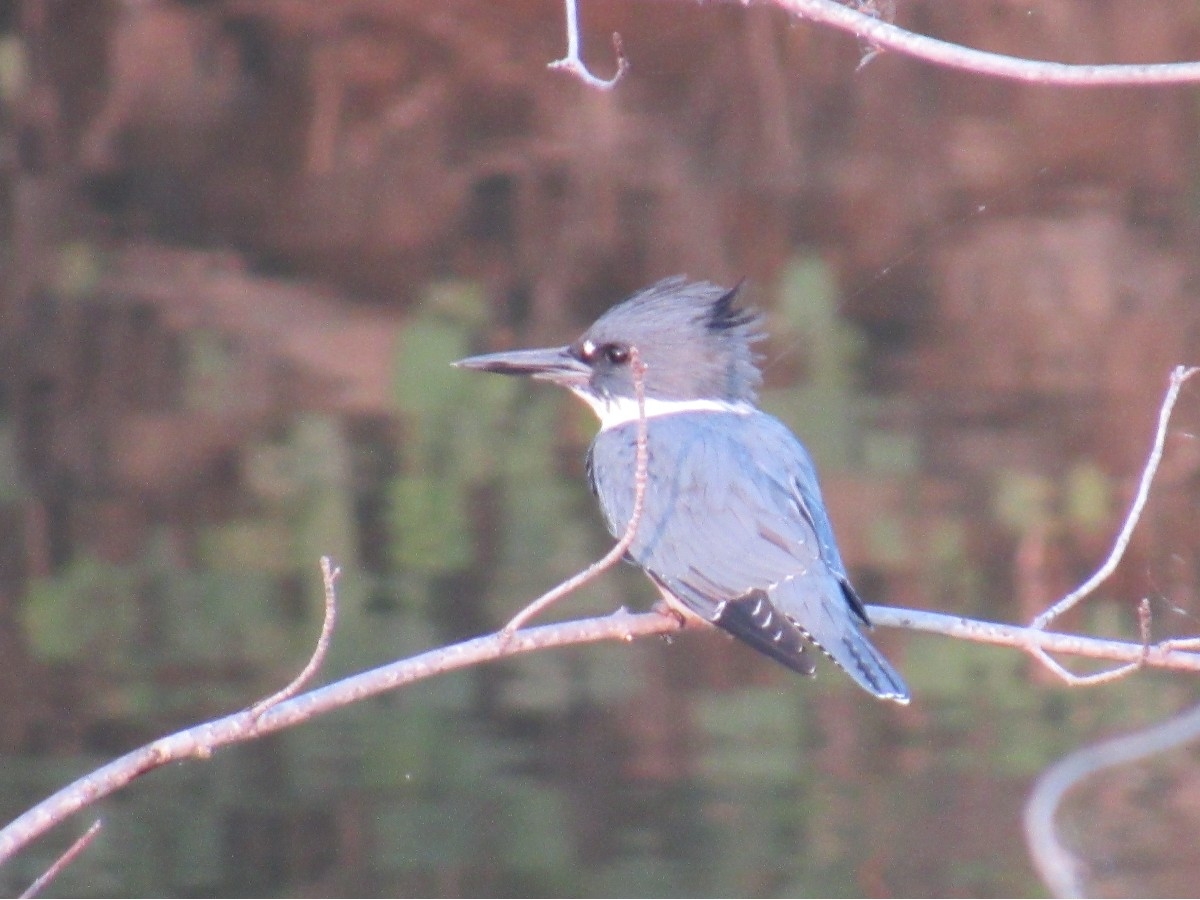
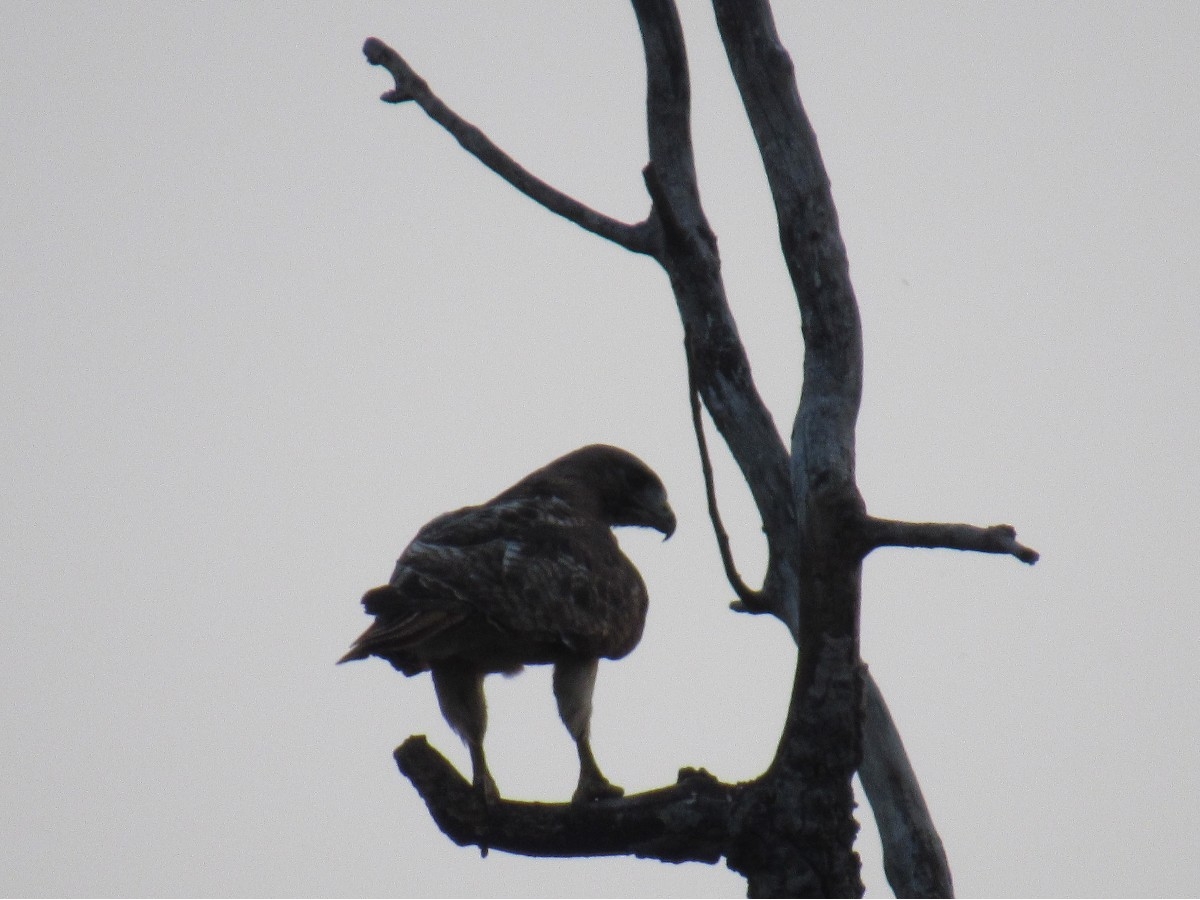
National Park Photo Gallery:
volunteer positions open
National Park Event Calendar:
volunteer positions open
Nearby Parks: Swan Lake National Wildlife Refuge Habitat Trail Pershing State Park Fountain Grove State Wildlife Area
|
|
| National Park Overview: |
 | Swan Lake National Wildlife Refuge was established by Executive Order 7563 on February 27, 1937. Purchase of 10,670 acres began at that time. Following purchase of land, the Civilian Conservation Corps began work on the refuge creating wetlands, constructing roads and buildings, and initiating the refuge farming program.
The primary purpose of the refuge is to provide nesting, resting, and feeding areas for waterfowl, primarily ducks. An important secondary purpose was to preserve a remnant flock of prairie chickens. Unfortunately, adequate grassland habitat to maintain a viable population of the birds was not available.
Since establishment of the refuge, the primary emphasis on waterfowl species has been expanded to include the Eastern Prairie Population of Canada geese. Canada geese were first observed using the refuge in the early 1940s, and numbers increased gradually to peak populations over 150,000 birds annually. Although these populations have steadily declined, Swan Lake is still considered a primary wintering area for Canada geese.
The refuge lies in the floodplain of the Grand River, near its confluence with the Missouri River in north-central Missouri. Flooding is common, especially during spring and summer periods. In addition to waterfowl management objectives, providing habitat for resident wildlife, protecting endangered and threatened species, encouraging biodiversity, developing shorebird habitat, and providing public opportunites for outdoor recreation and environmental education are on-going programs. |
| Reviews By Park Visitors: |
 | Be the 1st to Review Swan Lake National Wildlife Refuge. You can rate it, post a comment on it, or do both. |
 | |
| Fishing and Hunting: |
| Fishing:
The refuge is open to fishing from March 1 until October 15 each year. The most common species are channel catfish, bullhead, carp, buffalo, and crappie.
No special permit is required to fish on the refuge, but This link opens in a new windowall state regulations are in effect.
Motorized watercraft 10HP or less may be used on Silver Lake. Use of non-motorized boats are permitted on any body of water on the refuge.
Three fishing piers are available on Silver Lake.
Waterfowl Hunting
Waterfowl hunting on the refuge is permitted only from designated blind or field sites on the area unless otherwise specified. Sites are assigned through a morning drawing, held approximately two hours before shooting time. A daily drawing is used to fairly allocate waterfowl hunting opportunities.
When you arrive in the morning at hunting headquarters, sign the daily sign-up sheet or indicate at the check-in window if you are a reservation holder. Reservations may be obtained on-line This link opens in a new windowfrom the Missouri Department of Conservation.
Each hunter must fill out a waterfowl hunting tag (green card). Take the completed green card, along with your license and stamps necessary to hunt waterfowl, and give them to the person at the check-in window. Only one person from each hunting party will be allowed to participate in the site selection process.
All licenses, stamps, etc. will be returned when drawing for sites is complete. The lower portion of the waterfowl hunting tag (green card) must be filled out and deposited at the check-in station at the end of the day's hunt.
Do not split your party in an attempt to draw twice, because no names can be added to a party after a number is drawn.
Deer Hunting:
Deer hunting on the refuge is permitted during one primitive weapons hunt. The primary goal of this hunt is to keep an already abundant white-tailed deer population in check.
The hunt of the season is an any-sex hunt, held December 17-18, 2005. During this hunt, hunters may take two deer, but only one of these may be antlered. Hunters must take and check-in an antlerless deer before taking an antlered deer. To participate in these hunts, you must have a special permit, available from This link opens in a new windowthe Missouri Department of Conservation |
| History of the Area: |
| French fur traders, two of Daniel Boone's sons and a woodsman named Thomas Stanley explored Missouri before it became a State in 1821. They settled this country when it was a rich, untamed wilderness. Stanley lived off of the land and made his home in the hollow of a huge sycamore log not far from here. Deer, elk, bear, otter, wild turkey, and prairie chickens were found in abundance. In 1828, Thomas Stanley built a log trading post at the site of the present-day Sumner and thus pioneered a settlement trend which was later spurred by railway construction.
The human population grew and wildlife populations dwindled. In 1911, nearby Hog Lake was drained and converted to farmland. Drought and hard times hit in the nineteen thirties, and deer, elk, bear, otter and wild turkey became memories. Only a few flocks of prairie chickens remained.
Congress established Swan Lake National Wildlife Refuge in 1937 during the Depression years when the dust bowl conditions obscured the future of our Nation's migratory waterfowl. The Civilian Conservation Corps built roads and buildings and created wetlands. Farming to produce food for wildlife began.
The original refuge objective was to preserve habitat for ducks and prairie chickens. Canada geese had been rare visitors, stopping only briefly to rest on their long migration from their nesting grounds in northern Manitoba. Eight hundred geese wintered here for the first time in 1941. Their numbers increased in succeeding years and exceeded 100,000 every year through 1990. This refuge still has one of the largest concentrations of Canada geese in North America and is now the primary wintering area for the Eastern Prairie Population.
Swan Lake has converted to a modified biological farming program. Inorganic fertilizers are used to supplement annual legume plantings. About 1,000 are planted to corn, sorghum, clover, and wheat each year. All crops are left in the fields for geese and other wildlife. An additional 3,500 acres of low ground is managed to produce wild plants such as millet and smartweed which are used as food and cover by waterfowl. The remaining land is covered by forest, permanent grass, or native prairie. |
 | |
|
| |
|  | Note to Park related businesses: List your vacation cabin, weekend getaway, log cabin rental, romantic cottage, vacation home, resort, hotel, motel, bed and breakfast, country inn, campground, RV park, horseback riding stable, canoe livery, river rafting, outfitting, sporting goods store, guide service, RV rental or any other park related activity, park related attraction or park related service on Google or StateParks.com. (more).... |
|
| Related Links: |
 | Missouri map page - ... Wildlife Refuge 217-224-8580 Squaw Creek National Wildlife Refuge 660-442-3187 Swan Lake National Wildlife Refuge 660-856-3323 Ecological Services Columbia Ecological Services Office 573-876-1911 ... |  | Bird Checklists of the United States - Northern Prairie Wildlife Research Center Bird Checklists of the United States Master Table of Contents United States and Canada U.S. Canada Great Plains States Colorado -- Iowa -- Kansas -- Minnesota ... |  | Swan Lake State Park - The Flying Emu checklist links page is the biggest directory of bird checklists with seasonal abundance on the web."< ... Flying Emu Web-published Bird Checklists with Seasonal Abundance Almost all of ... |
| Directions: |
| From Kansas City (about 100 miles) go north on I-35 to Route 36; east on 36 to State Route 139; south on 139 to Sumner; then south on Swan Lake Drive about 3 miles to the refuge. From Mendon, Missouri, go north on Route CC 1.5 miles to the east entrance gate of the refuge, then left into the refuge interior. <P> |
 |
| |
| |
|