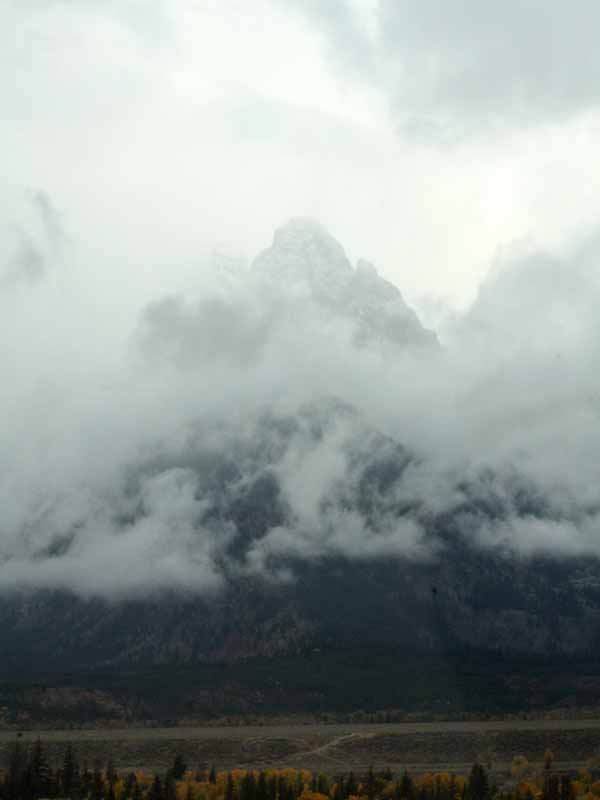
GRAND TETON NATIONAL PARK
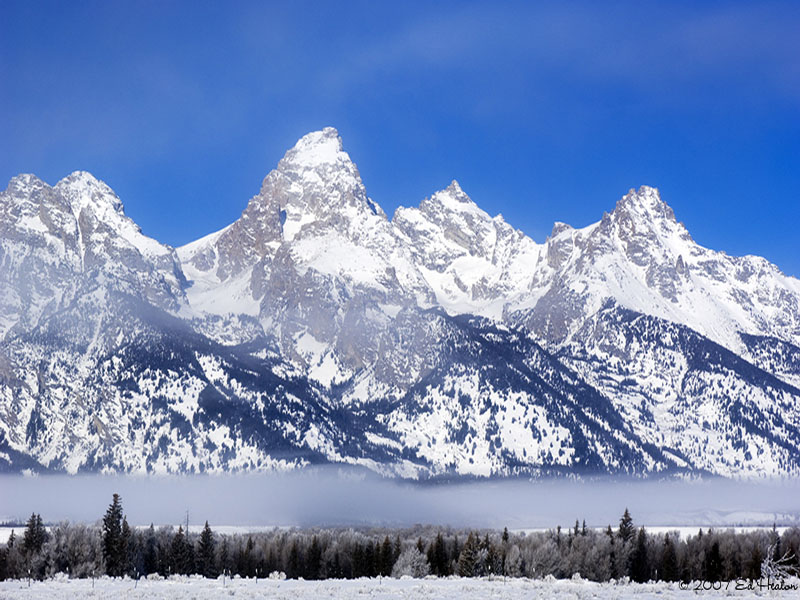
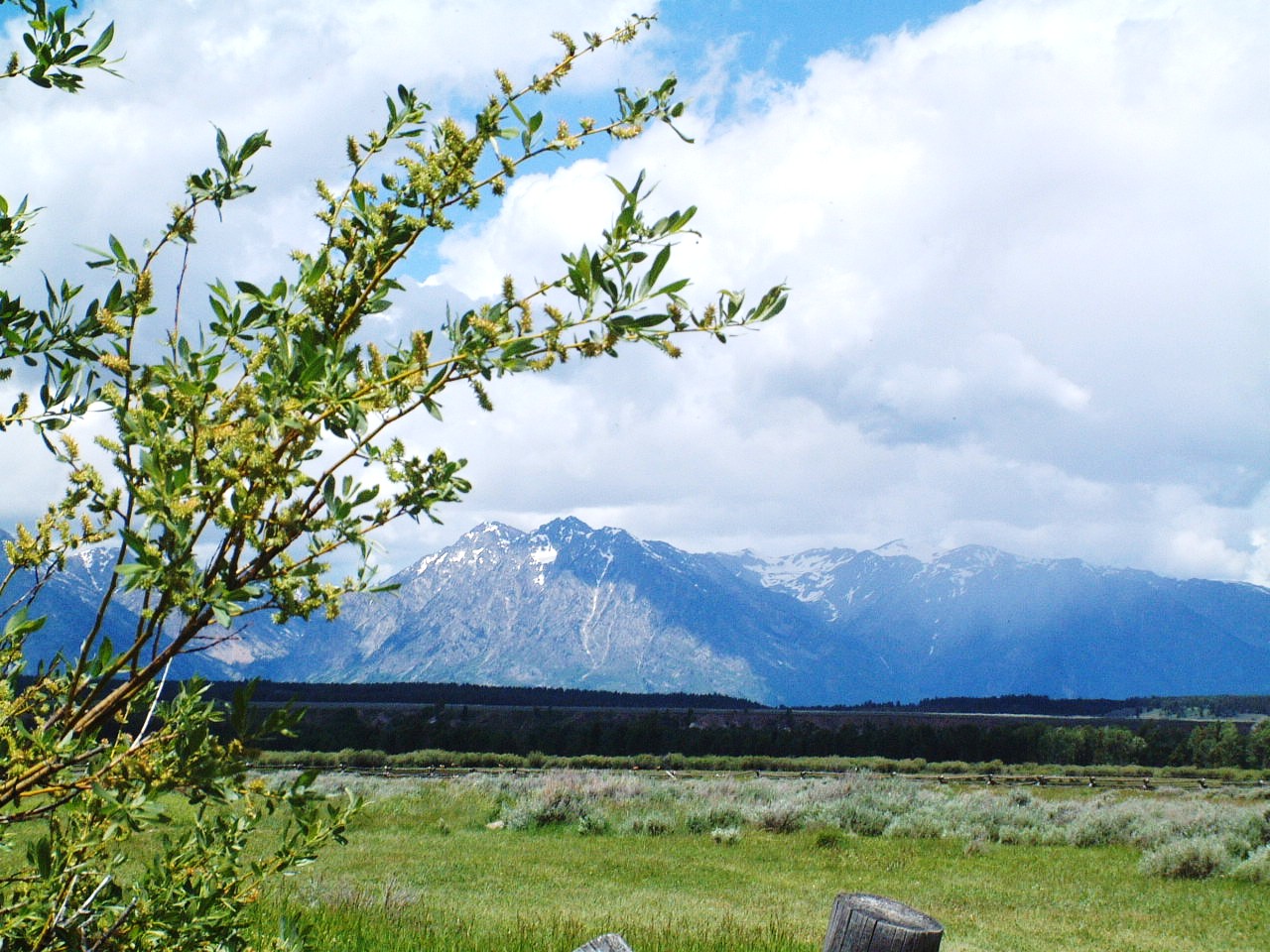
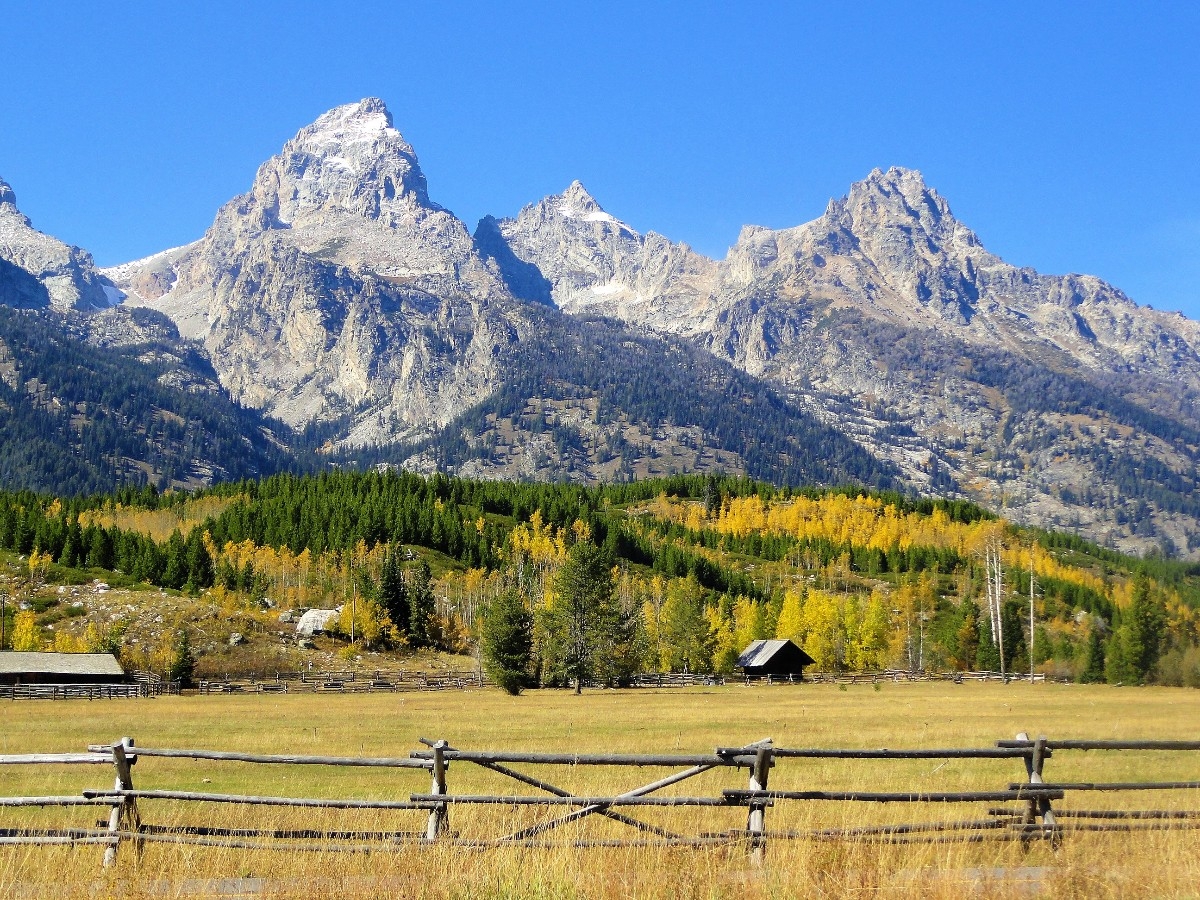
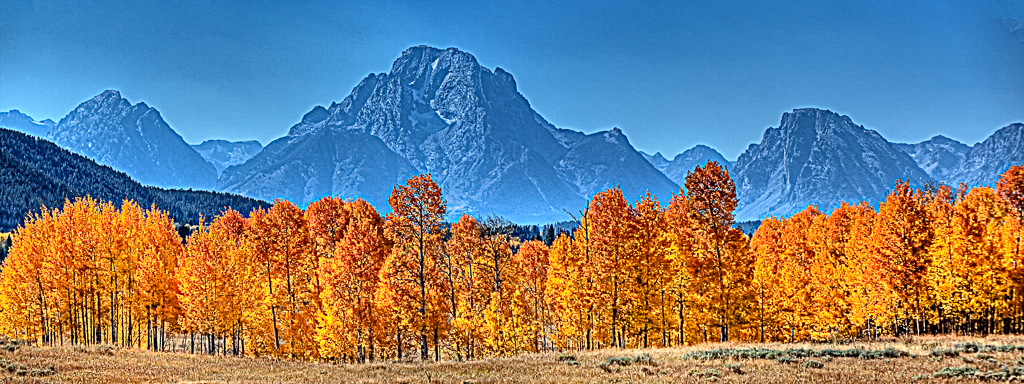
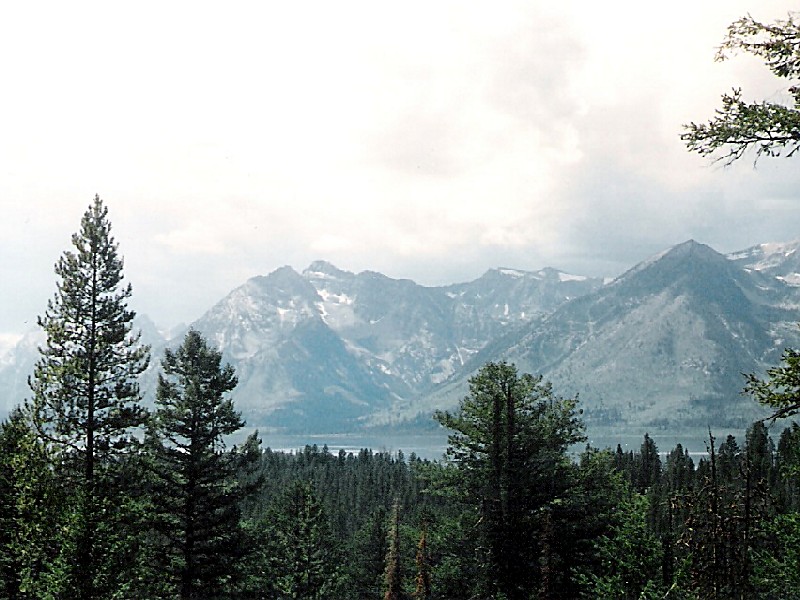
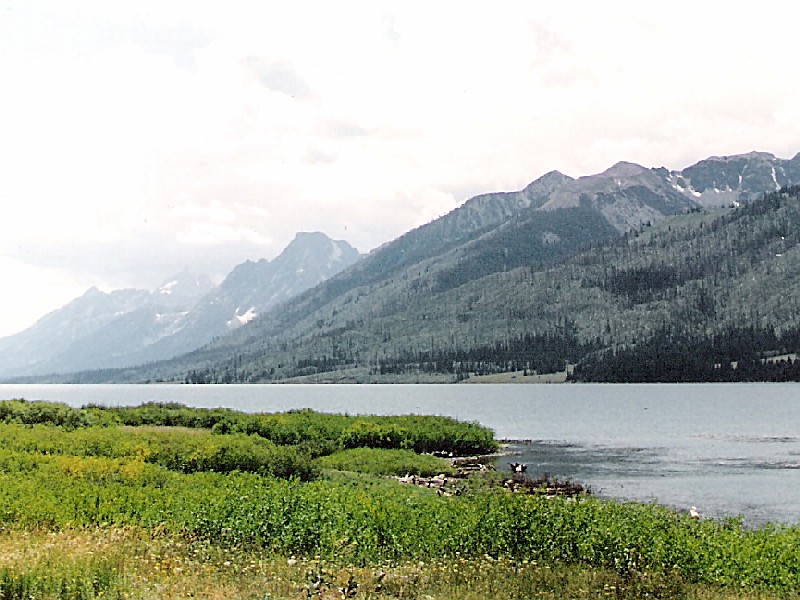
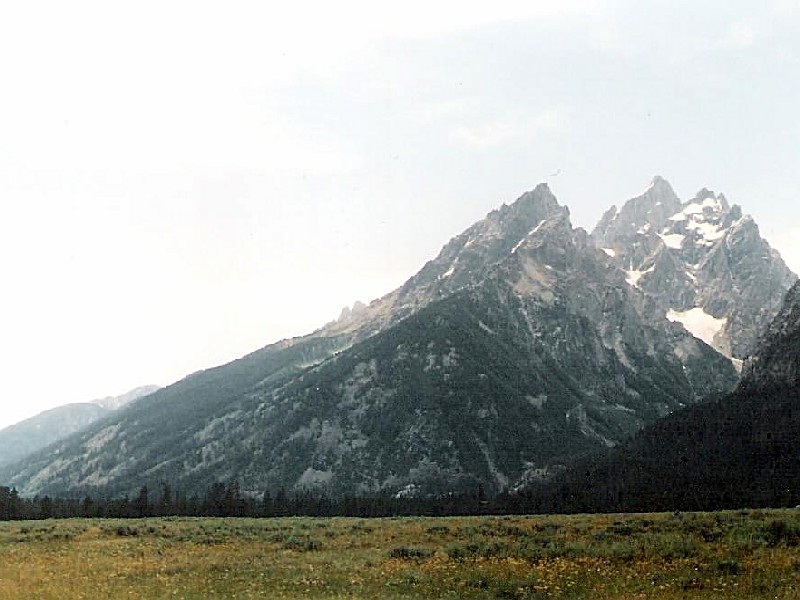
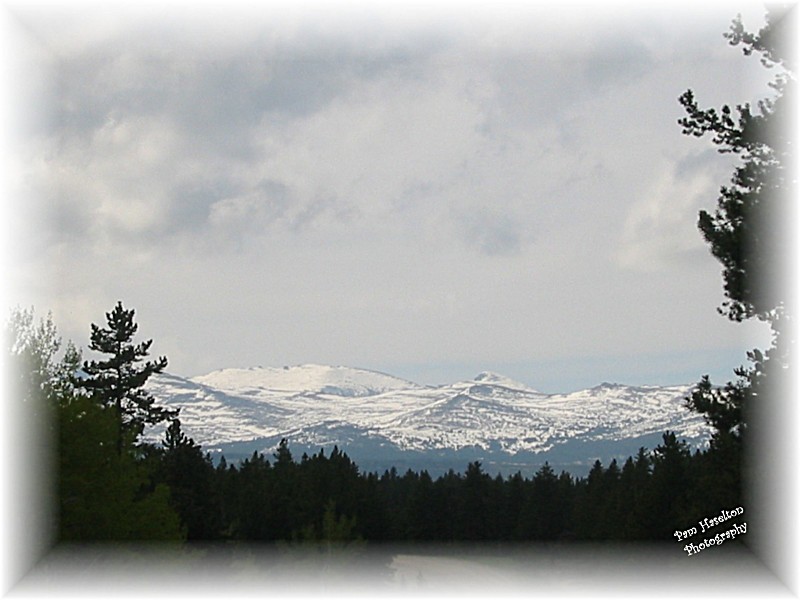
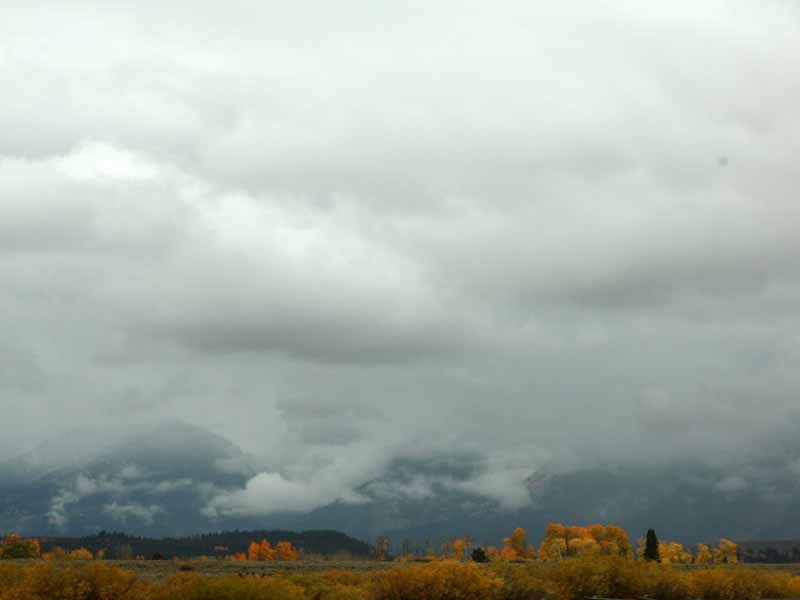
Located in northwestern Wyoming, Grand Teton National Park protects stunning mountain scenery and a diverse array of wildlife. The central feature of the park is the Teton Range an active, fault-block, 40 mile long mountain front. The range includes eight peaks over 12,000 feet 3,658 m, including the Grand Teton at 13,770 feet 4,198 m. Seven morainal lakes run along the base of the range, and more than 100 alpine lakes can be found in the backcountry.
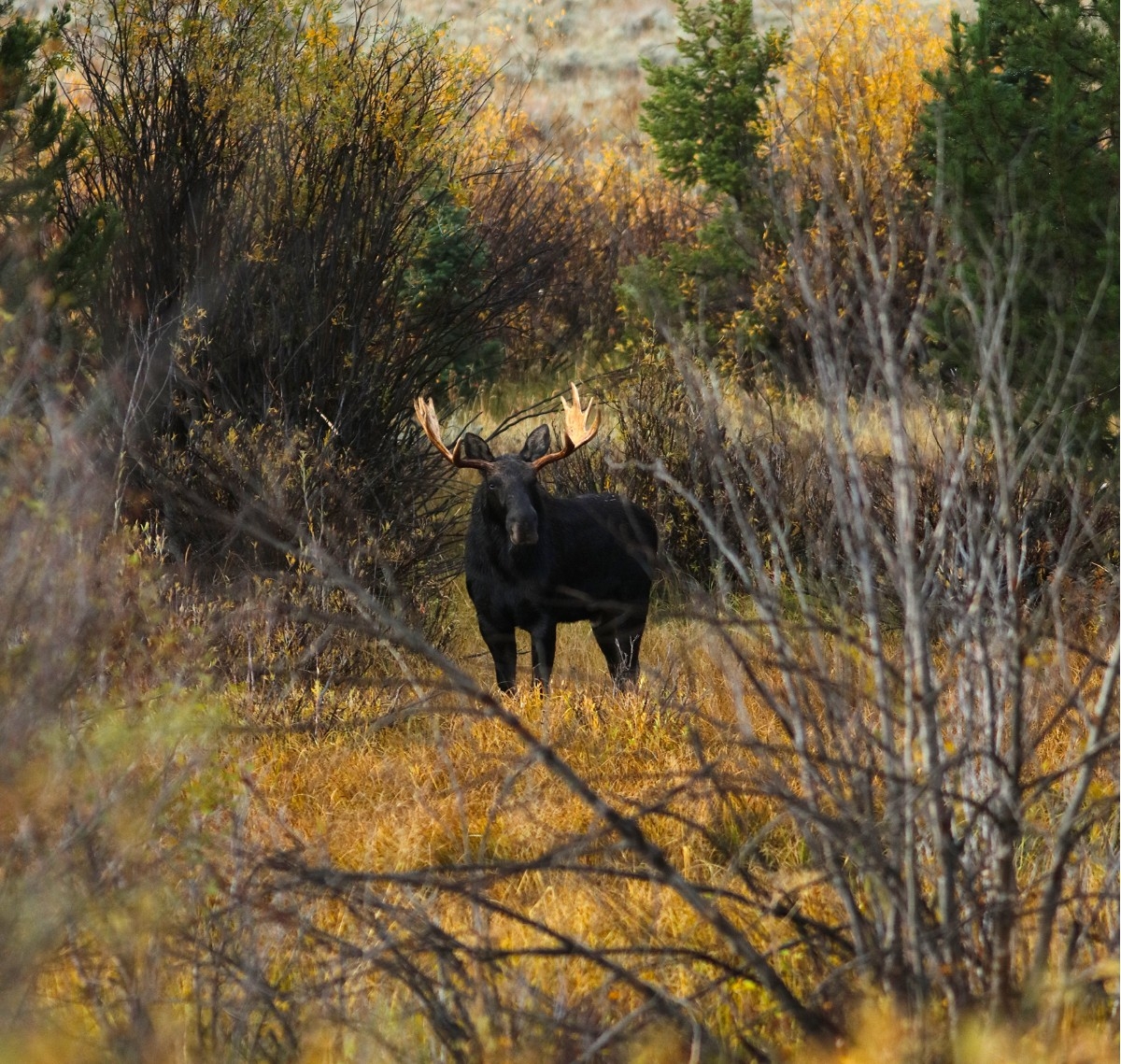
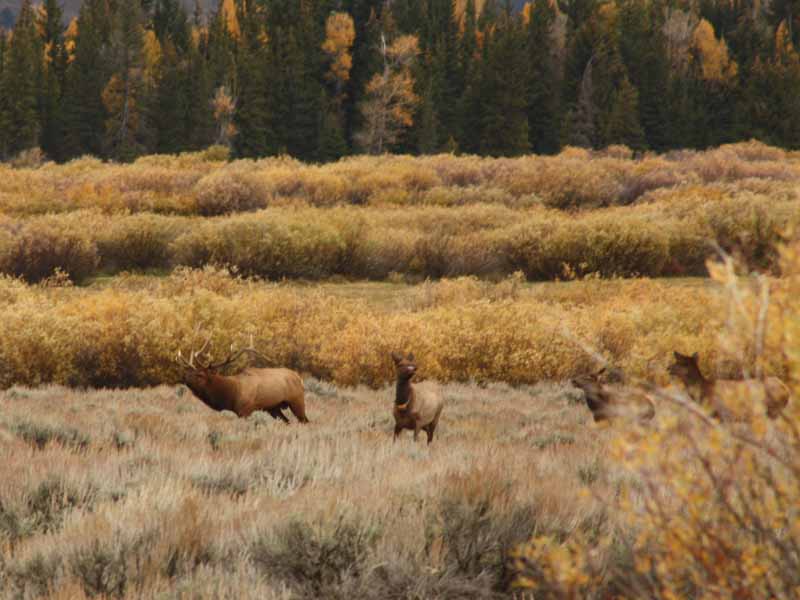
Elk, moose, pronghorn, mule deer, and bison are commonly seen in the park. Black bears are common in forested areas, while grizzlies are occasionally observed in the northern part of the park. More than 300 species of birds can be observed, including bald eagles and peregrine falcons.
 Colter Bay Campground
Think of Colter Bay Village as summer camp for the entire family. This lovely area is set on the shores of Jackson Lake, and offers practical amenities like laundry facilities, showers, restaurants and a grocery store, as well as purely-for-fun diversions like a marina, gift shop, visitor center, and horse corrals. Colter Bay has an activity for everyone in
....moreColter Bay RV Park Think of Colter Bay Village as summer camp for the entire family. This lovely area is set on the shores of Jackson Lake, and offers practical amenities like laundry facilities, showers, restaurants and a grocery store, as well as purely-for-fun diversions like a marina, gift shop, visitor center, and horse corrals. Colter Bay has an activity for everyone in
....more Colter Bay Tent Village Think of Colter Bay Village as summer camp for the entire family. This lovely area is set on the shores of Jackson Lake, and offers practical amenities like laundry facilities, showers, restaurants and a grocery store, as well as purely-for-fun diversions like a marina, gift shop, visitor center, and horse corrals. Colter Bay has an activity for everyone in
....more Gros Ventre Campground Gros Ventre pronounced grow-vont, means big belly in French, and the Gros Ventre Campgroundsurrounded by cottonwood trees and featuring stunning views of Blacktail Butte and the Teton Mountainsis truly magnificent The campgrounds location next to the Gros Ventre River offers some of the best opportunities in the park for wildlife sightings, as bison, moose,
....more Headwaters Campground at Flagg Ranch Reservations will migrate to Recreation.gov for the 2022 season. Availability will go live on Recreation.gov on November 13, 2021 for RV sites, and December 1, 2021 for Tent sites and Camper Cabins.
Located in the John D. Rockefeller, Jr. Memorial Parkway, directly between Grand Teton and Yellowstone National Parks and just minutes from both,
....more Located in northwestern Wyoming, Grand Teton National Park protects stunning mountain scenery and a diverse array of wildlife. Rising more than 7,000 feet above the valley of Jackson Hole, the Teton Range dominates the park's skyline. Natural processes continue to shape the ecosystem against this impressive and recognizable backdrop.
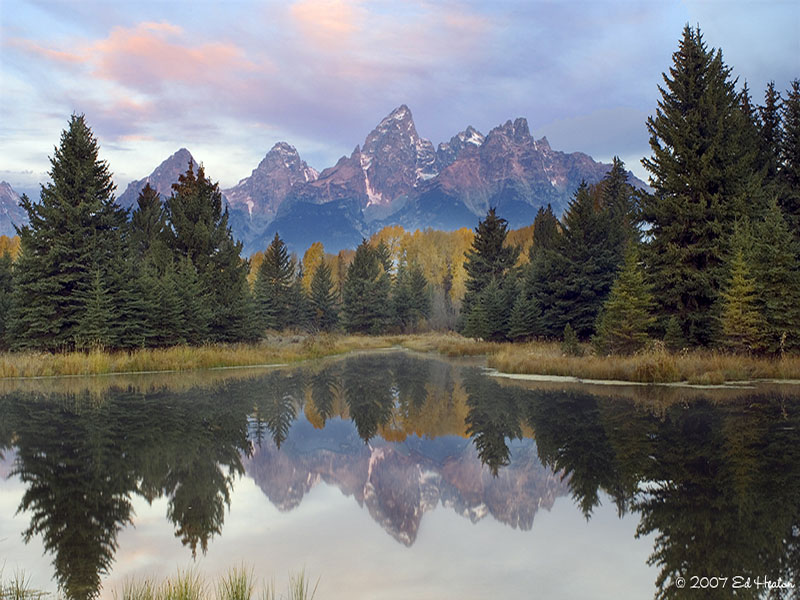
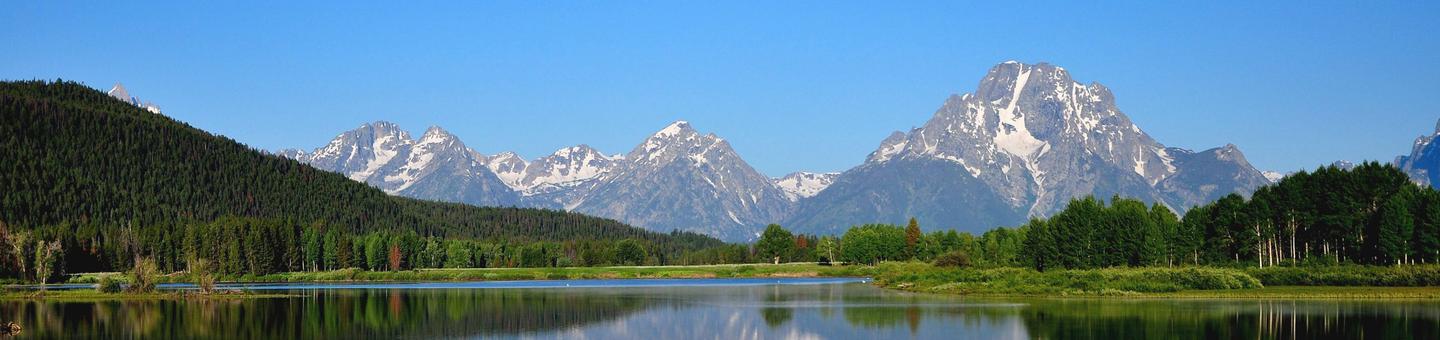
The elevation of the park ranges from 6,400 feet on the sagebrush-dominated valley floor to 13,770 feet on the windswept granite summit of the Grand Teton. Between the summit and plain, forests carpet the mountainsides. During summer, wildflowers paint meadows in vivid colors. Crystalline alpine lakes fill glacial cirques, and noisy streams cascade down rocky canyons to larger lakes at the foot of the range. These lakes, impounded by glacial debris, mirror the mountains on calm days. Running north to south, the Snake River winds its way down the valley and across this amazing scene.
Long, snowy, and bitterly cold winters make the climate of Jackson Hole unforgiving. The coldest temperature ever recorded in Grand Teton National Park was -63F, and snow often blankets the landscape from early November to late April. Brief, relatively warm summers provide a respite from the rigors of winter and a time of renewal and rebirth. In cooperation or competition, the plants and animals adapt to this harsh climate and dramatic elevation change as each finds ways to survive.
The birth of present-day Grand Teton National Park involved controversy and a struggle that lasted several decades. Animosity toward expanding governmental control and a perceived loss of individual freedoms fueled anti-park sentiments in Jackson Hole that nearly derailed establishment of the park. By contrast, Yellowstone National Park benefited from an expedient and near universal agreement for its creation in 1872. The world's first national park took only two years from idea to reality however Grand Teton National Park evolved through a burdensome process requiring three separate governmental acts and a series of compromises.
John D. Rockefeller, Jr. became involved in the Jackson Hole Plan after a visit to Teton country in 1924 and again in 1926. These visits highlighted not only spectacular Teton scenery, but also shabby developments littering the roadway from Menors Ferry to Moran and along Jenny Lake's south and east shores. Yellowstone Superintendent Albright seized an opportunity to explain to Rockefeller the essence of the Noble cabin meeting and the hope of protecting and preserving this sublime valley from unsightly commercial development. Rockefeller decided to purchase offending private properties with the intention of donating these lands for National Park designation. He created the Snake River Land Company as a purchasing agent to mask his association and keep land prices affordable, since landowners would have undoubtedly inflated their asking prices had they known of his involvement.
The Snake River Land Company launched an ambitious campaign to buy more than 35,000 acres for approximately $1.4 million. What seemed like a simple and straightforward plan became 20 years of bitter debate, nearly tearing apart the Jackson Hole community. Intense hostility surrounded land acquisitions attempts by Rockefeller to gift these properties to the National Park Service met resistance. Economic hardships suffered by ranchers during the 1920's helped ease some land acquisitions. Many ranchers were actually relieved to sell and get out of business during a time of economic difficulty. In 1925, ranchers circulated a petition in support of the private buyout countering anti-park opinions in Jackson Hole. Ninety-seven ranchers endorsed the petition's statement, that this region will find its highest use as a playground The destiny of Jackson's Hole is as a playground, typical of the west, for the education and enjoyment of the Nation, as a whole. Perhaps this quote has more credibility as a tacit admission that ranching in northern Jackson Hole was difficult, if not impossible, than it has as a genuine altruistic gesture by the ranchers.
Congress enlarged the park to its present size in 1950, for the purpose of including in one national park, for public benefit and enjoyment, the lands within the present Grand Teton National Park and a portion of the lands within Jackson Hole National Monument. The conservation battle for Jackson Hole coupled with the philanthropic dedication of John D. Rockefeller, Jr. shapes the character of this valley to the present day. Imagine how different the Teton landscape would look if unbridled development had prevailed over preservation of natural resources. In celebrating the Fiftieth Anniversary of Grand Teton National Park, we recognize and honor the dedication, perseverance and aspirations of visionary men and women who believed that the greatest good for the Teton countryside was as a public park or pleasure ground for the benefit and enjoyment of the American people. As Crucible for Conservation author Robert Righter suggests, what these visionaries achieved was perhaps the most notable conservation victory of the twentieth century.
Day-UseFishingyes
Hiking Trailyes
Picnickingyes
Grand Teton National Park has several choices when it comes to cabins and other lodging options
Colter Bay Cabins
Details Located by the shores of Jackson Lake, Colter Bay offers a variety of units, from 208 snug log cabins to several tent-cabins. Call for reservations and descriptions. Nearby activities include horseback riding and marina.
Dornan's Spur Ranch Cabins
Details Log cabins located on the Snake River. Year-round availability, fully equipped kitchens, hand-crafted lodgepole furnishings. Not a park concessioner.
American Alpine Club Climber's Ranch
Details Dormitory accommodations, cooking area, and showers for climbers. No pets allowed. Ten dollars per night.
Triangle X Ranch
Details A dude ranch, with arrangements weekly on the American Plan. Enjoy horseback riding, hikes, float trips, western cookouts, meals, fishing, dancing and other western ranch activities.
Grand Teton National Park has several campgrounds from which to choose. Check below to find out which campground best fits you or your party's needs
Colter Bay Campground
Details 25 miles north of Moose, with 350 sites, 11 group sites, trailer dump station, showers, and laundry nearby. Fills about noon. Colter Bay is a wooded campground with larger sites and easier access if you are traveling with a camper, trailer, or RV. Close to Jackson Lake with plenty to do close by.
Flagg Ranch Campground
Details Concession operated, located in the John D. Rockefeller, Jr. Memorial Parkway, just south of Yellowstone National Park's south boundary and five miles north of Grand Teton National Park. 175 sites in the spruce-fir forest. Call for reservations for both trailer sites and tent sites.
Gros Ventre Campground
Details 11.5 miles south and east of Moose, with 360 sites, 5 groups sites, and a trailer dump station. Generally fills in the evening, if at all. The campground lies along the Gros Ventre River with a mix of sites in sagebrush, beneath cottonwoods and adjacent to but a short distance from the river. If you are arriving in the afternoon of a busy day, just pull in. Seek a better site the next morning.
Jenny Lake Campground
Details 25 miles north of Moose, with 350 sites, 11 group sites, trailer dump station, showers, and laundry nearby. Fills about noon. Colter Bay is a wooded campground with larger sites and easier access if you are traveling with a camper, trailer, or RV. Close to Jackson Lake with plenty to do close by.
Lizard Creek Campground
Details At the north end of Grand Teton National Park, about 32 miles north of Moose, has 60 sites and fills by about 200 p.m. A less heavily developed campground with sites in the spruce and fir forest. One side of the campgound is adjacent to and slightly above Jackson Lake. Vehicle size limited to 30 feet.
Signal Mountain Campground
Details 16 miles north of Jenny Lake, 81 sites, and a trailer dump station. Fills by about 10 a.m. Signal Mountain offers a mix of spruce and fir trees, hillsides, and lake and mountain views. Adjacent to Signal Mountain Lodge and marina with a campstore and amenities close by. Sites are generally small and intimate. Vehicles size limited to 30 feet.







 Share Your Grand Teton National Park Photos (click here)