BOMBAY HOOK NATIONAL WILDLIFE REFUGE
BOMBAY HOOK NATIONAL WILDLIFE REFUGE2591 Whitehall Neck Road
Smyrna, Delaware 19977
Email:

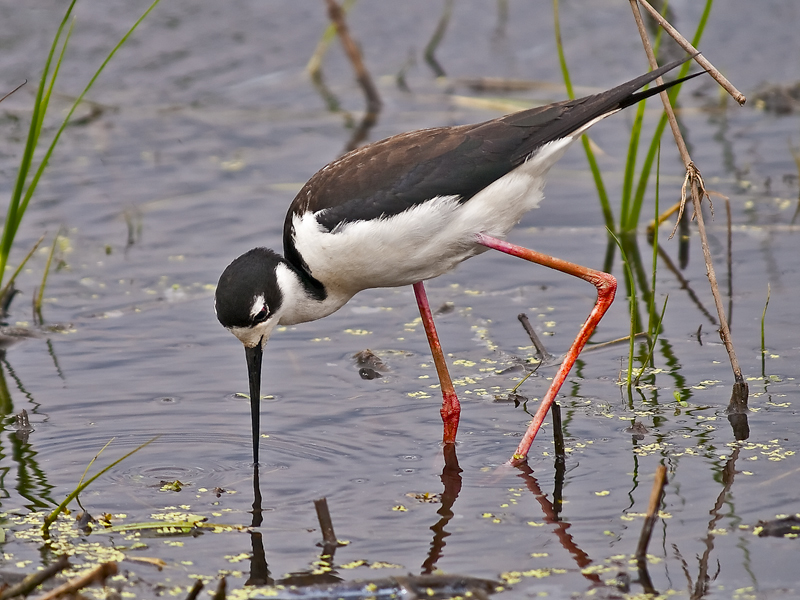
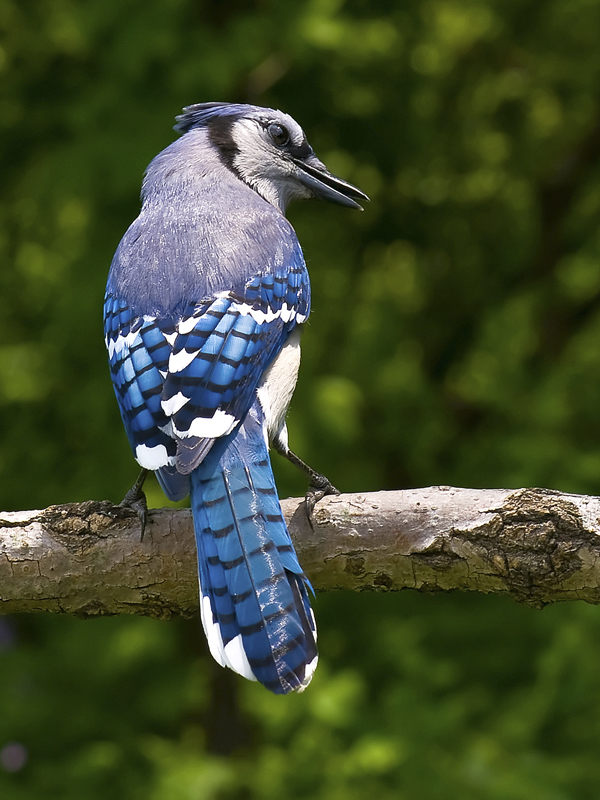
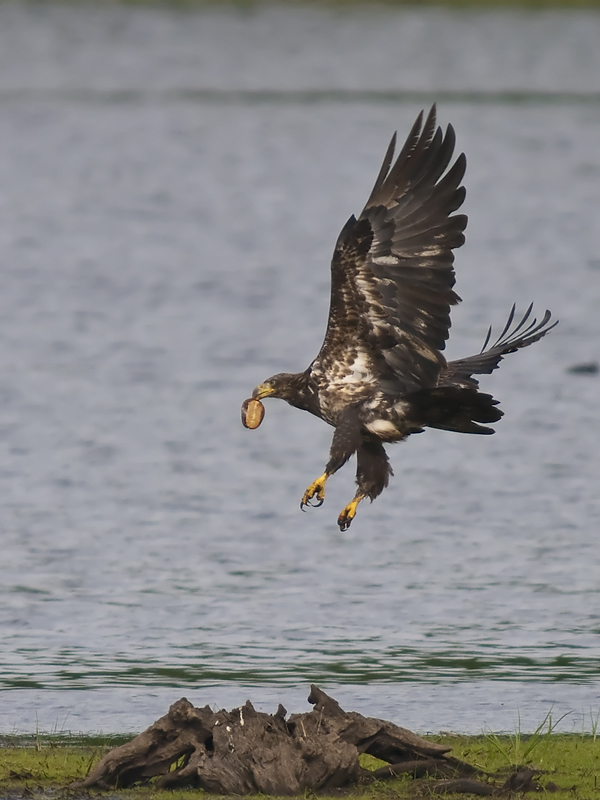
Since 1937, Bombay Hook has hosted hundreds of thousands of migrating ducks, geese, shorebirds, and neotropical songbirds, all following old traditions of natural history, the spring and fall migrations. Tired and hungry, they seek shelter at Bombay Hook and feast on marsh grasses, fish, and other important foods before continuing their flight.
Bombay Hook is one of many refuges providing critical habitat between Canada and the Gulf of Mexico. Its 16,000 acres include freshwater pools, swamps, upland forests, agricultural fields, and one of the largest unaltered tidal salt marshes in the Mid-Atlantic region.
Day-UseHuntingyes
Hiking Trailyes







 Share Your Bombay Hook National Wildlife Refuge Photos (click here)