ARANSAS NATIONAL WILDLIFE REFUGE
ARANSAS NATIONAL WILDLIFE REFUGEP.O. Box 100
Austewell, Texas 77950
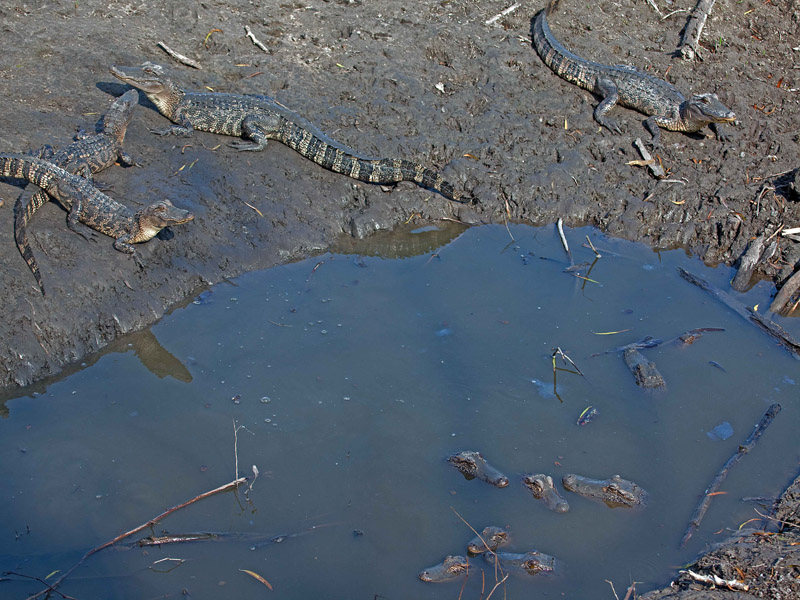
The bugle of an endangered whooping crane echoes across the far reaches of the marsh. Only at Aransas National Wildlife Refuge do North America's tallest birds find an enduring winter stronghold. Here, too, pelicans, herons, egrets, roseate spoonbills, ducks, and geese dine in brackish waters and salt marshes teeming with fishes, blue crabs, and clams. On shore, javelinas, bobcats and deer wander oak woodlands. Alligators peer from still waters of ponds and sloughs. Ringed by tidal marshes and broken by long, narrow sloughs, this 59,000-acres refuge sprawls mostly across the Blackjack penisula, where grasslands, live oaks, and redbay thickets cover deep sandy soils. Storms and waters of the Gulf of Mexico constantly reshape this vital refuge, home to over 390 different bird species. <P>
Strong winds push the bay waters over low-lying shores, forming brackish tidal marshes among the short, salt-tolerant vegetation. It is this habitat that attracts thousands of migratory birds. On their journey between North and Central America, warblers concentrate on the refuge from mid-April to early May. Mild winters, bay waters, and abundant food supplies attract over 392 species of birds to Aransas, including pelicans, herons, egrets, spoonbills, shorebirds, ducks, and geese.
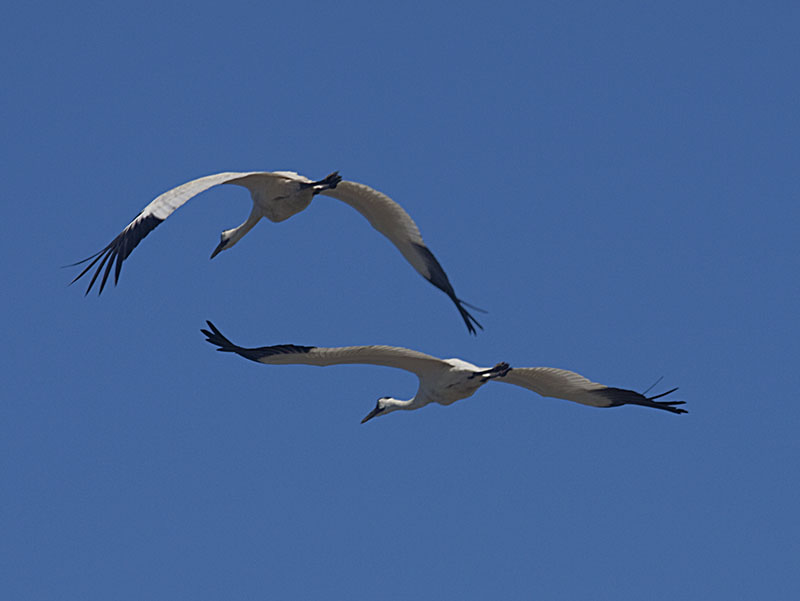
The endangered whooping crane makes these same saltwater marshes their winter feeding grounds. Productive tidal flats provide clams and crabs for the whoopers to eat.
One of the rarest creatures in North America, the whooping crane is making a comeback from a low of 15 birds in 1941. Whooping cranes nest in Canada during the summer and winter at Aransas National Wildlife Refuge. The cranes can usually be seen from the Observation Tower from late October to mid-April. (For information about commercial boat tours to see the cranes and other birds, call the Rockport Chamber of Commerce at 1-800-242-0071.)
Moving inland, the water changes from salty flats to freshwater ponds. These ponds teem with life. Created by rain and ranging in size from puddles to lakes, they are a haven for alligators, turtles, frogs, snakes, and birds.







 Share Your Aransas National Wildlife Refuge Photos (click here)