ANDERSONVILLE NATIONAL HISTORIC SITE
ANDERSONVILLE NATIONAL HISTORIC SITEAndersonville National Historic Site
Andersonville, Georgia 31711
Email:

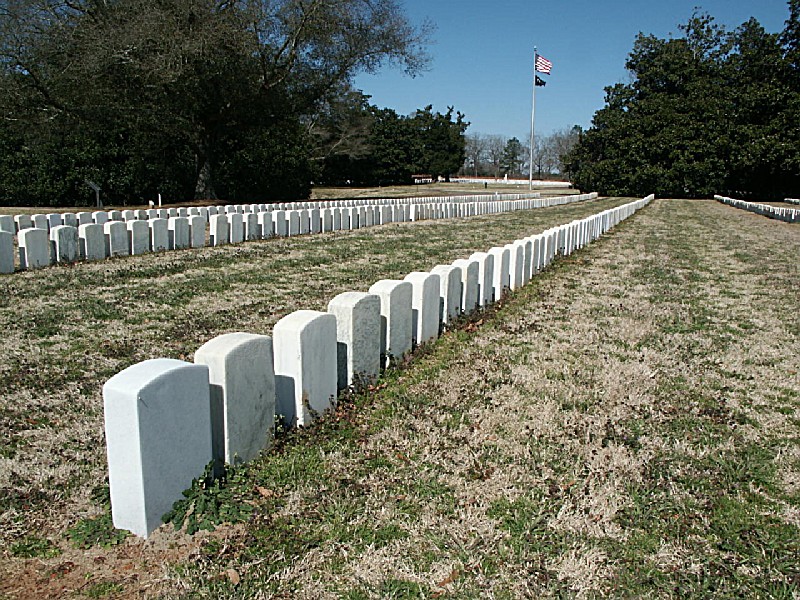
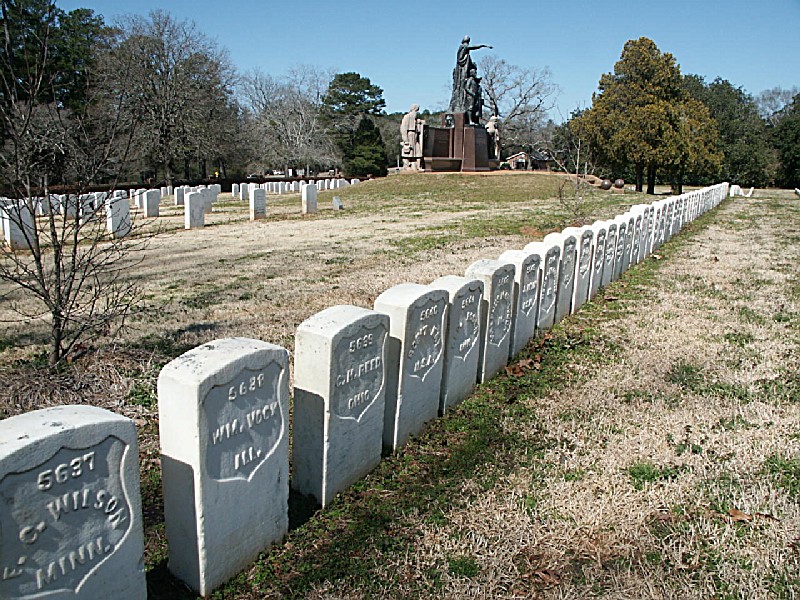
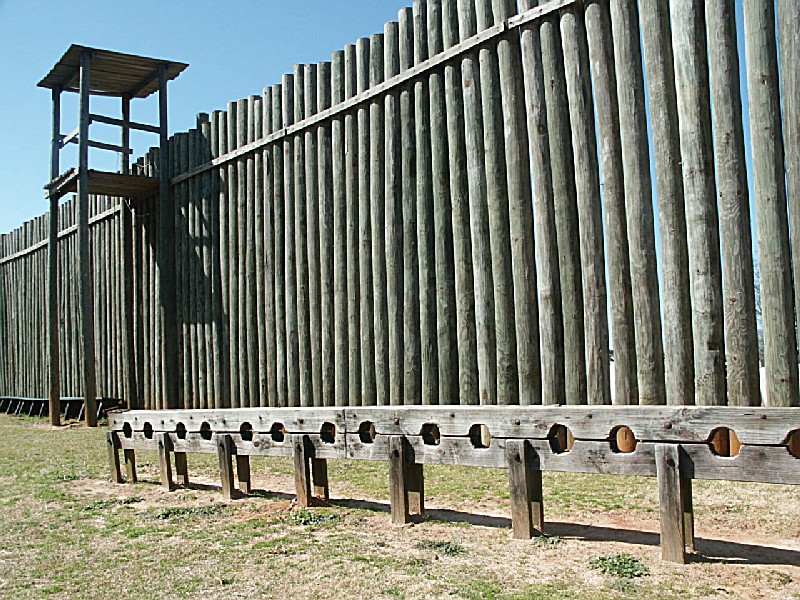
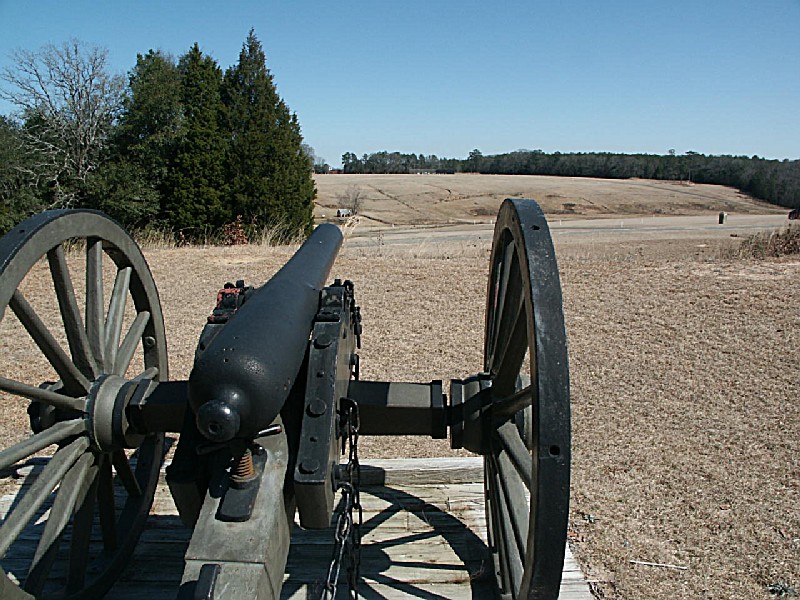
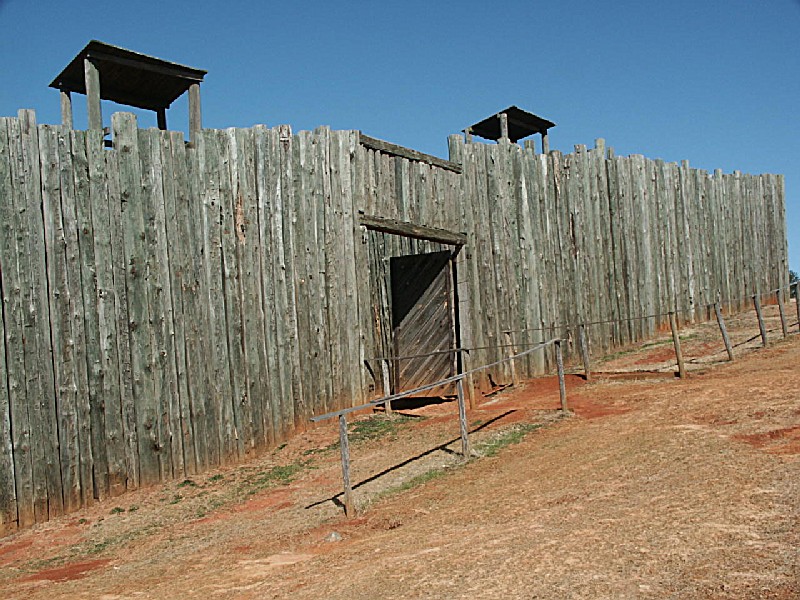
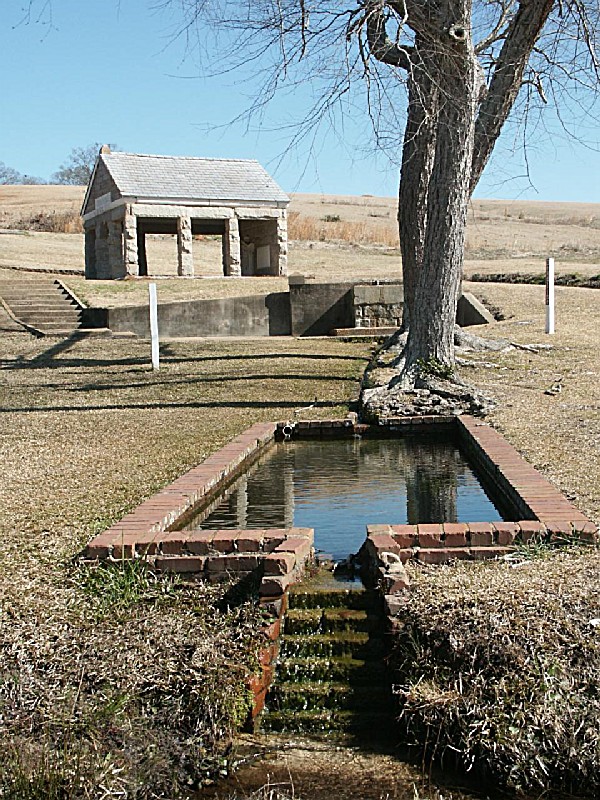
Andersonville, or Camp Sumter as it was officially known, was one of the largest of many Confederate military prisons established during the Civil War. It was built early in 1864 after Confederate officials decided to move the large number of Federal prisoners kept in and around Richmond, Virginia, to a place of greater security and a more abundant food supply . During the 14 months the prison existed, more than 45,000 Union soldiers were confined here. Of these, almost 13,000 died from disease, poor sanitation, malnutrition, overcrowding, or exposure to the elements.
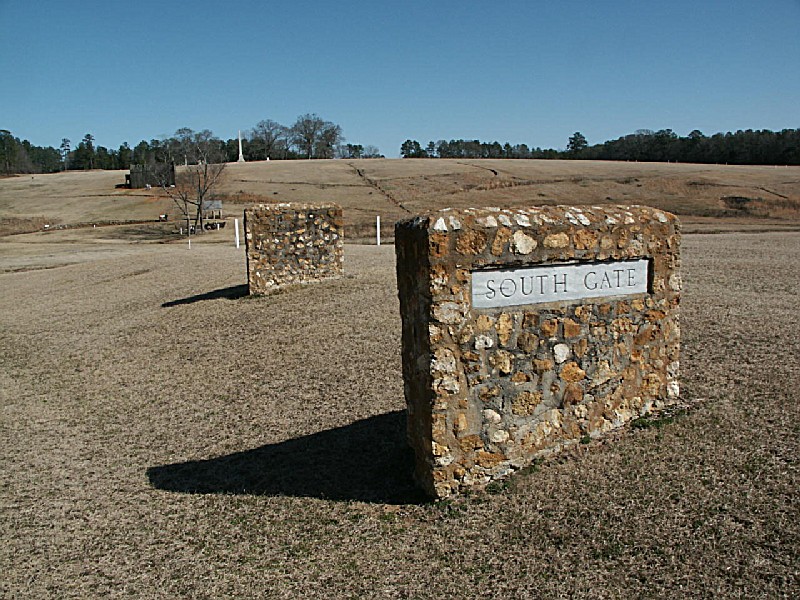
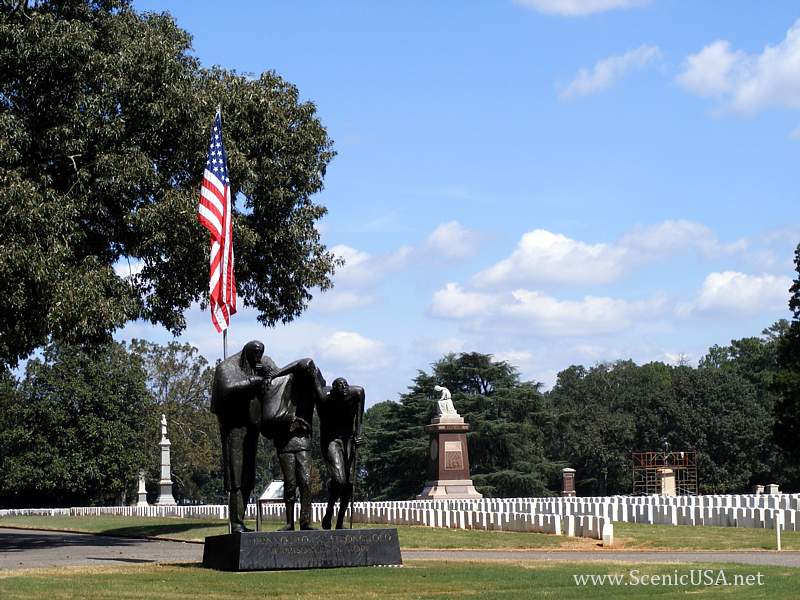
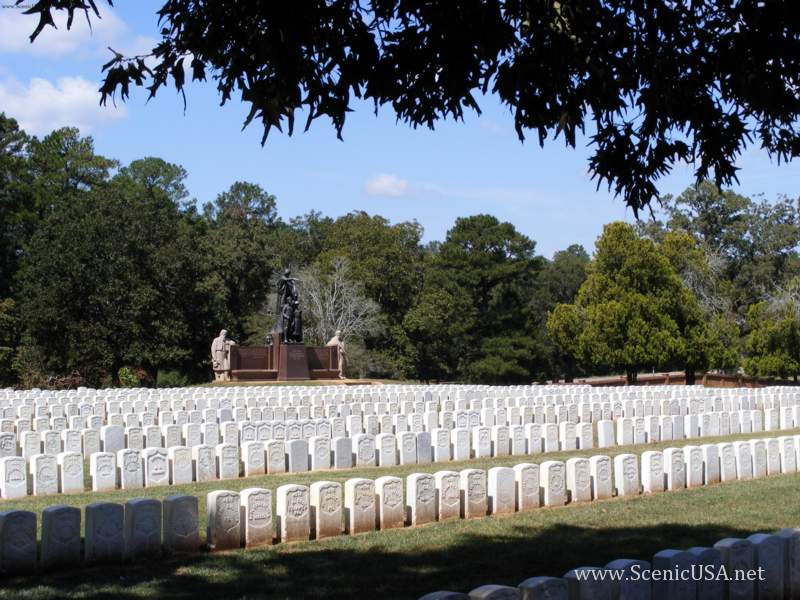
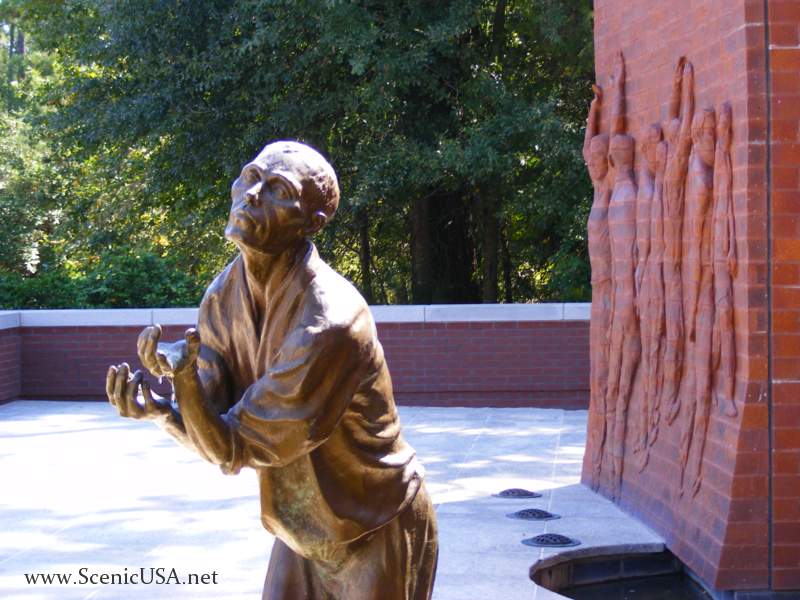
Today, Andersonville National Historic Site is the only park in the National Park System to serve as a memorial to all American prisoners of war throughout the nation's history. The 515-acre park consists of the historic prison site and the National Cemetery. Congress stated in the authorizing legislation that this park's purpose is "to provide an understanding of the overall prisoner of war story of the Civil War, to interpret the role of prisoner of war camps in history, to commemorate the sacrifice of Americans who lost their lives in such camps, and to preserve the monuments located within the site". In 1998 the National Prisoner of War Museum opened at Andersonville, dedicated to the men and women of this country who have suffered captivity. Their story is one of sacrifice and courage.







 Share Your Andersonville National Historic Site Photos (click here)